Category: Digital Marketing

  • 25 Best Chrome Extensions You Need to Try in 2024: Ultimate Toolkit

    25 Best Chrome Extensions You Need to Try in 2024: Ultimate Toolkit

    Explore the 25 best Chrome extensions for 2024, with tools for development like React development Tools and Wappalyzer, and productivity tools like Evernote Web Clipper, Grammarly, and Google Keep. Unlock shopping benefits with Honey, Price Pirates, and other extensions, and explore privacy-focused extensions like Ghostery, uBlock Origin, and HTTPS Everywhere.

    25 Best Chrome Extensions For 2024

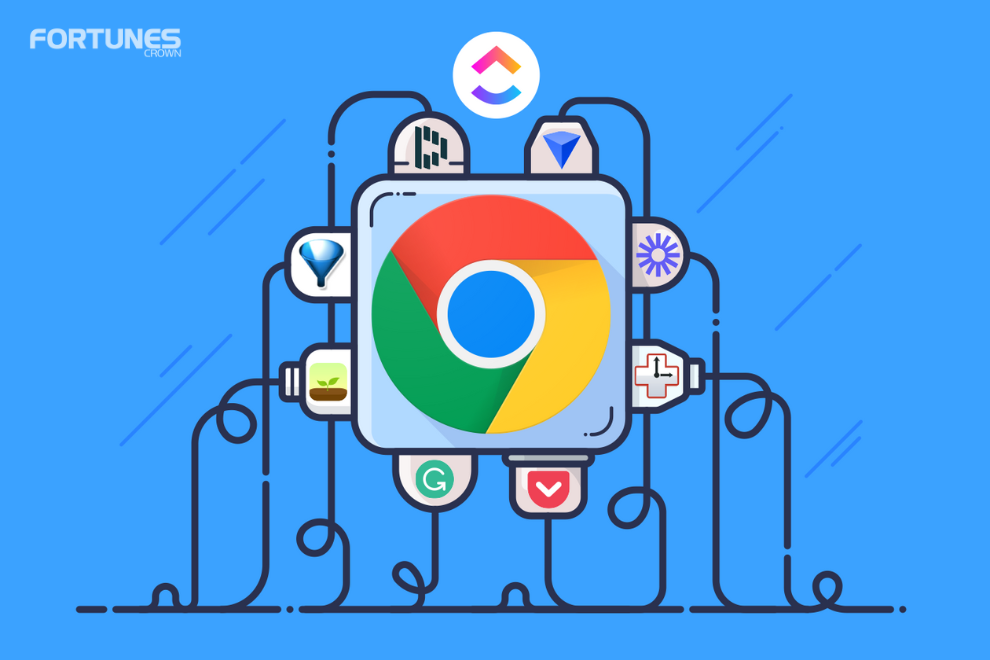
    Chrome extensions Google are now important resources in today’s digital world for increasing productivity, controlling online activity, and helping developers and designers in their work. A well-chosen selection of strong additions, including the 25 Best Chrome Extensions You Need to Try in 2024. These extensions serve as best-in-class tools, empowering users across various realms within the Chrome browser ecosystem.

    1. Evernote Web Clipper:

    The Evernote Web Clipper is recognized as one of the best Chrome extensions for productivity. That offers users the ability to save web pages, articles, and other online content directly to their Evernote accounts.

    2. Grammarly:

    Grammarly is renowned as one of the best Chrome extensions for productivity, serving as a writing assistant tool. It assists users in enhancing their writing. It achieves this by suggesting improvements in grammar, spelling, punctuation, clarity, and style.

    3. Google Keep:

    Google Keep is acclaimed as one of the best Chrome extensions for productivity. It offers a free note-taking service accessible across various platforms. Such as the web, Android, iOS, Wear OS, and Watch OS. It stands as a simple and user-friendly tool facilitating note-taking, list-making, and saving reminders.

    4. Momentum:

    Momentum, categorized among Chrome extensions for SEO, serves as a free browser extension that transforms your new tab page into a personalized dashboard. This includes a captivating high-resolution photo, an optional beautiful clock, your focus task for the day, and many more updates.

    5. OneTab:

    OneTab is a free browser extension that does not come under the same category as Chrome addons for SEO. That aids in managing open tabs across multiple browsers like Google Chrome, Microsoft Edge, Mozilla Firefox, Opera, and Vivaldi. It simplifies the process by enabling users to consolidate all open tabs into a single tab.

    6. Todoist:

    Todoist is a popular to-do list app that helps you organize your tasks and stay on top of your schedule. It has a simple and easy-to-use interface that makes it easy to add, edit, and complete tasks.

    7. Ghostery:

    Ghostery, one of the Chrome extensions for SEO, serves as a privacy-focused browser extension. It empowers users to regulate the collection and utilization of their online data. Trackers are little pieces of code that are put into many websites to track users’ online behaviour. The extension works by recognizing and blocking these code pieces.

    8. uBlock Origin:

    uBlock Origin, one of the Chrome extensions for SEO, is a free and open-source browser extension designed for content filtering. Its primary aim of combating privacy attacks is through user-friendly techniques.

    9. Privacy Badger:

    Privacy Badger, a Chrome SEO extension, stands out as a free, open-source browser add-on placing a significant focus on safeguarding privacy. It consistently detects and eliminates trackers encountered during online browsing. Advertisements, social networking sites, and other organizations often use these invisible bits of code, or trackers, to build user profiles.

    10. HTTPS Everywhere:

    HTTPS Everywhere is a free and open-source browser extension that encrypts your communications with many major websites, making your browsing more secure. It was developed collaboratively by The Tor Project and the Electronic Frontier Foundation (EFF).

    11. Bitwarden:

    Bitwarden is a free and open-source password manager that allows you to securely store and manage your passwords.

    12. Honey:

    Honey is a popular browser extension that automatically finds and applies coupon codes at checkout on a variety of websites. With over 30,000 participating stores, Honey can help you save money on your online purchases.

    13. Rakuten:

    Rakuten is a Japanese e-commerce company that operates in over 20 countries and regions. It is the largest e-commerce company in Japan and one of the largest in the world. Rakuten offers a wide variety of products and services

    14. PricePirates:

    PricePirates is a price comparison tool that helps you find the best deals on products from a variety of online retailers.

    15. Keepa:

    Keepa is a popular Amazon price tracker and product history extension that helps users find the best deals on Amazon products.

    16. CamelCamelCamel:

    CamelCamelCamel is a free browser extension and website that tracks the price history of products on Amazon. It allows users to see how the price of a product has changed over time. These tools enable users to track and visualize the historical price changes of products, set up alerts for specific price points, and discover the best deals on platforms like Amazon.

    17. Full Page Screenshot:

    Full Page Screenshot Chrome extensions outshine competitors in the realm of web content capture, displaying excellence in capturing entire web pages, covering content that might not be visible on the screen without manual scrolling. Traditional screenshots often fall short, capturing only the content within the current window.

    18. Readability:

    Readability refers to the ease with which text or content can be read and understood by a reader. It’s a measure of how accessible and comprehensible written material is to the audience it’s intended for.

    19. Pocket:

    Renowned for its widespread usage, Pocket serves as a favored app and web tool, empowering users to bookmark articles, videos, web pages, and diverse online content for subsequent exploration.

    20. Save to Google Drive:

    Save to Google Drive is a feature that allows users to save or store various types of content directly to their Google Drive cloud storage service. Google Drive is a cloud-based file storage and synchronization service developed by Google.

    21. Forest:

    Forest” is a productivity application tailored to help users sustain focus, minimize distractions, and adeptly organize their time, with a specific emphasis on limiting smartphone usage.

    22. Web Developer:

    A Web Developer is often referred to as a person proficient in creating and managing websites, web applications, and web-related technologies. It is recognized among the Best Chrome Extensions for Developers.

    23. React Developer Tools:

    React Developer Tools, primarily designed for developers engaged with React, a popular JavaScript library for constructing user interfaces. It stands as one of the Best Chrome Extensions for Developers.

    24. Wappalyzer:

    Wappalyzer is a browser extension and web tool widely utilized by developers, designers, marketers, and other professionals. To identify the technologies and tools empowering websites, is considered one of the Best Chrome Extensions for Developers.

    25. ColorZilla:

    ColorZilla, primarily tailored for web designers, graphic designers, and developers, emerges as one of the Best Chrome Extensions for Developers. The browsers Chrome and Firefox can use this extension.

    These 25 Chrome extensions are an important toolset for several reasons, from improving browsing security to enhancing task management and aiding in web development. With productivity increases, safeguards for privacy, design tools, and shopping improvements. Some of the Best Chrome extensions stand out, providing users with benefits and highlighting the evolving possibilities within the Chrome browser ecosystem up to 2024 but you should also avoid some harmful chrome extensions from your device..

  • Building the Perfect Indoor Golf Setup: What You Need to Know

    Building the Perfect Indoor Golf Setup: What You Need to Know

    For golf enthusiasts, the ability to practice and play regardless of weather or time is transformative, and that’s precisely what home golf simulators provide. If you’re thinking about creating your own indoor golf setup, several crucial factors need consideration to ensure you develop a functional, enjoyable, and effective practice environment. Here’s a comprehensive guide to help you build the ideal indoor golf setup.

    Assessing Your Space

    To create a home golf simulator, start by assessing your available space. Ideally, choose a room with a high ceiling—at least 9-10 feet—to allow for a full golf swing. Additionally, ensure the area is wide and deep enough for unrestricted play. Accurately measure your space to confirm it can house the equipment and provide a safe environment for swinging clubs.

    Choosing the Right Golf Simulator

    When choosing a golf simulator, prioritize systems that strike a balance between accuracy, realism, and value. Opt for simulators with lifelike graphics and precise ball tracking technology. The goal is to select a setup that closely replicates real-world conditions, offering feedback that translates seamlessly to actual play on the course. For many golfers, in-home golf simulators can provide the added convenience of consistent practice while delivering performance insights comparable to professional training facilities.

    Enhancing the Experience with Proper Lighting and Acoustics

    Lighting and acoustics play vital roles in crafting an immersive golfing experience. Soft, uniform lighting reduces screen glare, enhancing visibility of the simulation. Equally important are acoustic considerations, particularly if you aim to limit sound transmission within your home. Installing acoustic panels or foam can effectively absorb sound, making your practice sessions quieter and more enjoyable.

    Flooring and Netting

    Proper flooring is crucial for safeguarding your home and equipment. Utilizing high-quality turf or a professional-grade hitting mat offers a realistic feel and shields your floors from golf clubs and balls. Moreover, durable netting around the simulator area is essential for catching stray shots and ensuring safety.

    Integrating Technological Aids

    Although the simulator offers extensive data, incorporating additional technological aids can elevate your training experience. Apps and gadgets that assess your swing and offer feedback make excellent additions. These tools help refine your skills by delivering extra data points and visualizations that may not be accessible through the simulator alone.

    Regular Maintenance

    Proper maintenance of your golf simulator and its accessories is essential for ensuring both longevity and precision. Regularly updating the software, cleaning sensors and cameras, and inspecting nets and mats will keep your setup in optimal condition, providing the most accurate and responsive gameplay experience.

    Creating a Practice Routine

    Consistency is crucial in any sport, and golf is no different. By establishing a regular practice routine with your home golf simulator, you can achieve substantial improvements in your game. Many enthusiasts often turn to Nashville’s source for home golf simulators (or similar sources elsewhere) to access high-quality setups that support consistent and effective practice sessions. Set realistic goals for each session, concentrating on varied aspects such as driving, putting, or iron play, to cultivate comprehensive skills.

    Conclusion

    Crafting the perfect indoor golf setup demands careful planning and keen attention to detail. It begins with choosing the right equipment—high-quality simulators, mats, and nets that replicate the feel of an actual golf course. Proper lighting is also crucial, ensuring the space is well-lit to simulate outdoor conditions. Selecting a location with ample space and minimal distractions further enhances your practice environment, allowing for full concentration on your game. Each element plays a vital role in maximizing the benefits of your home golf simulator.

    With an ideal setup, you can practice throughout the year, unaffected by rain, snow, or extreme temperatures, thereby significantly improving your golfing skills. Investing time and resources into creating a top-notch indoor golf space will provide you with an accessible and enjoyable way to hone your skills and indulge in the game you love. Imagine inviting friends for friendly competitions or enjoying a solo practice session anytime you desire. The convenience and comfort of having a personal golf haven at home make it a valuable asset for any golf enthusiast, offering endless opportunities for improvement and enjoyment, regardless of the weather outside.

    Written By: Anjali Banwar • November 5, 2024

  • 5 Smart Ways Technology Can Improve Your Productivity

    5 Smart Ways Technology Can Improve Your Productivity

    Your workplace’s efficiency has to be improved regularly. You want to make sure that your staff members are getting the most done during their days. Both in terms of the actual work that needs to be done. In ways that will enable them to contribute creative new ideas. Several technologies for productivity act like a boon. The fact that you are practically surrounded by technology at all times gives you a great chance to improve your productivity. AI marketing tools, for example, can optimize your workflow by automating repetitive tasks and providing data-driven insights. These tools help ensure that your efforts are focused on high-impact tasks, maximizing your overall productivity.

    You now have unparalleled access to various options thanks to technological improvements. Those that will enable you to increase productivity at work. Nevertheless, to achieve these goals, you must be aware of how to utilize the technology as efficiently as possible. 

    Employees And Productivity 

    Maintaining productivity in a workspace has a lot of aspects to it. It doesn’t just mean being good and fast at work, it means being the best version of yourself. But on the other hand, 57% of employees report high-stress levels. Overloading employees with work can be a reason for that. The average employee is productive for just around three hours a day. Making coffee or tea, conversing with coworkers, surfing social media, and reading news websites are just a few activities that take up more workplace time.

    You can help employees at your facility be more productive by understanding the baseline of technologies for productivity. This will also help you gauge how your employees stack up against the data.

    Instilling methods of improving productivity by using technology can help not just prevent overloading employees, but also de-stressing them. 

    1. Open And Clear Lines of Communication

    Cloud and mobile technology are still essential as remote work becomes the new standard. They aid in making sure that scattered workforces have the necessary tools to maintain connectivity and productivity.

    Using the cloud to access essential business applications, you can quickly connect with your staff, partners, and clients.

    Slack, G Suite, and Microsoft Teams are a few examples of collaboration and communication tools that can help your remote teams work together. These tools help increase your productivity even when they are spread off. Similarly, interactive virtual meetings may be held and kept productive using video conferencing tools like Zoom and Google Meet.

    Handy Tools- Filestage, Bit.ai, Slack, G Suite

    2. Using Chrome Extensions

    Everyone aspires to complete more tasks faster. I’ve discovered that adding all of your tools to your Chrome browser makes it easiest for you to access them right away. These are merely supplemental programs and features that can improve user experience. They assist you in modifying and personalizing Google Chrome so that it functions for you in the method you like and helps you be more productive.

    Handy Tools-  Grammarly for Chrome, Loom for Chrome, Hubspot 

    3. Webinars And Training

    Regularly educate your staff members and develop their abilities. By periodically holding events, promote healthy competition. On your internal server, make the free certificates accessible online. Then, encourage your staff to take them. Try to close the gap between your human resources and cutting-edge technologies or trends. By educating and inspiring learners, we can keep them competitive in the job market.

    4. Track Time: How And Where It is Spent

    By adopting technology for time tracking, you can better understand how time is spent during the workday and influence the daily tasks that your employees are required to complete. Procrastination can be decreased using time-tracking software. Depending on your program, it might keep tabs on team productivity, individual time spent on various tasks or certain websites throughout the day, or overall worker productivity.

    You can avoid major time wasters throughout the day, especially unexpected technology-based ones, by taking a close look at how people are spending their time. Examine how these components may be improved to increase productivity at the office as a whole.

    Handy Tools- Clockify, Workfolio

    5. Enable More Strategic And Planning Time

    One method to guarantee that you and your staff improve your productivity is through effective time management. Several productivity apps interface with calendar and scheduling tools like Google Calendar. On every device, they are also immediately available. Just schedule your tasks and try your best to finish them by the deadlines. Reminders can help you stay on track and form healthy behaviors.

    You may monitor the efficiency and success of your remote workers by using time-monitoring applications like Time Doctor. They can become more aware of their day’s activities and the amount of regularly scheduled productive time by doing this.

    Handy Tools- Wrike, Qntrl

  • 8 Tips on How To Rank Your SEO-Friendly Blog in SERP in 2024

    8 Tips on How To Rank Your SEO-Friendly Blog in SERP in 2024

    If you’re jumping into content writing or managing a personal blog, you’ve likely encountered the term “SEO-friendly blog.” For beginners, learning how to rank your SEO-friendly blog is crucial for success! And, understanding the basics of SEO can be a wild ride. Sometimes, it takes people ages to perfect an SEO-friendly blog. But here’s the good news: practice makes perfect! As you keep writing, you’ll get better and better. And, to make things easier, we’ve got a treasure trove of tips for you. 

    Check out these 8 awesome tips to help you write and rank your SEO-friendly blog like a pro!

    Basics: What is SEO all about? 

    In the vast landscape of the internet, countless blog posts appear daily. So, to attract readers it’s important to create engaging content. Moreover, a successful blog post is more than words; It’s a digital gateway that invites visitors and keeps them returning. And Search Engine Optimization (SEO) is the cornerstone of blog post visibility.

    However, SEO is just the first step. Indeed engaging content is the heartbeat of a thriving blog. However, your posts should also resonate with readers while addressing their pain points and offering solutions or insights. So, it is important to strive for a balance between valuable information and an authentic, relatable voice. Additionally, writing for online readers requires brevity, scannable formatting, and impactful headlines that hook readers immediately.

    Simply put, writing an SEO-friendly blog would mean incorporating technicalities into your content to position your blog for higher search engine rankings. Consequently, this approach enhances your blog’s discoverability. And it will ensure that your target audience finds your content amid the sea of online information.

    The 8 Key Tips to Master SEO

    We get it—these basics can feel a bit overwhelming for beginners. But don’t worry! We got you. let’s dive into our list of 8 practical tips that will help you write and rank your SEO-friendly blog like a pro!

    1. Keyword Research: Your Secret Weapon 

    Firstly, Keyword research is extremely important. Without it, your blog post might as well be shouting into the void. To succeed in writing for online readers, you need to ensure your blog post gets noticed. Hence, keywords are your secret weapon—they help create engaging content that also climbs up the search engine rankings.

    First, make a list of topics relevant to your business. Next, brainstorm possible questions or subtopics for each, like “how to” and “what is” queries. Then, use SEO tools like SEMrush or HubSpot to see which topics or subtopics will be the easiest to rank for. This way, you’ll be on your way to creating content that not only engages but also wins in the search engine game.

    2. E-Mail Promotions: The Power of Personal Touch

    Secondly, using email to snag an audience is one of the easiest ways to rank your SEO-friendly blog. A well-written and attractive email can work wonders in drawing readers to your blog post. As one of the most reliable SEO tactics, email promotion gives a bit more personal touch to your readers. Moreover, promoting blog posts through emails attracts new audiences and keeps loyal followers connected, ensuring they return for more.

    3. Choose Topics That Attract You

    Writing blog posts is all about writing content for online readers, and attracting an audience. But let’s not forget—you’re the one doing the writing! The best writing flow happens when you write about a topic you are genuinely passionate about. So, the third tip is to write about topics that attract you to rank your SEO-friendly blog. 

    Moreover, when you write about what excites you, burnout won’t stand a chance. Sure,  “popular” and “trendy” topics have their moments. However, they can quickly become monotonous and make writing feel like a chore. This, in turn, also dulls the reading experience for your audience.

    The most effective blogging formula is to look for topics that align with your ideas and match with the latest “trends.”

    4. Feature Snippets For Blog Posts

    Next up, we have the best way to rank your blog—aim for a featured snippet. This appears when Google determines that a web page provides a relevant response to a user’s query. Users often view these snippets as experts, so they might not need to visit the website. The bullet points will give them the substance of the content.

    To get a featured snippet, make sure you have-

    1. Use subheadings with h2 and h3 tags
    2. Add an FAQ tab
    3. Know the questions your target audience has. Use sites like Quora to find out the questions and answers. 
    4. Write detailed content. In-depth content is often more preferred than a shallow blog post. 

    5. Invest in On-Page SEO

    Moreover, along with quality content, invest in eye-catching on-page assets like images, videos, charts, and infographics. After all, as they say, A picture’s worth a thousand words.  Create AI images using AI Image Generator to add compelling visuals to your posts.

    Specifically, BuzzSumo’s analysis reveals that blog posts with images every 75–100 words get shared nearly twice as often as those with other word counts to rank your SEO-friendly blog. Relevant graphics help readers discover the themes of interest and get the gist of your content faster. So, sprinkle in those visuals and watch your shares skyrocket!

    6. Attractive Title and Meta Description

    Further, make sure that your title and meta description always stand out among other technical SEO considerations. Make the most of the 155 characters you have for the meta description and the 65 characters Google truncates from the title. A good meta post works great for attracting blog readers. 

    Even if you are in position 10 on the first page of Google, you have a good chance of getting discovered if you have an excellent title and meta description. It is like an organic blog post promotion that uses search engine optimization effectively. 

    7. Link Dropping: Connect and Conquer

    Next up—Link-dropping. It is just about connecting to posts from other blogs. It’s similar to connecting to pertinent blog entries from others to improve the experience for blog readers. Additionally, with this tactic, you can strengthen your relationships with the bloggers you constantly link with. So, start linking to other posts to rank your SEO-friendly blog. And, eventually, they will start linking to yours as well. Linking boosts blog post visibility a lot more than other tactics. 

    8. Timing is Everything

    Last but not least, timing is crucial, and here’s why: Neil Patel, a highly respected and prolific author on the subject, crafted a top-notch timetable for promoting your blog. Seize each post as a golden opportunity to explore a different topic or angle, rather than recycling the same content.

    But don’t stop there! Venture beyond your profiles to rank your SEO-friendly blog. Dive into online discussions and link to your article when it adds a splash of value to the conversation. This approach not only boosts your visibility but also keeps things exciting for both you and your readers.

    Final Wrap-Up

    To sum it up, crafting an SEO-friendly blog would mean attracting your targeted audience. You can do that by understanding their preferences, exploring trending topics, and using tools to find their questions. Make sure to craft your content around these queries and include multimedia elements for better engagement. Don’t forget to promote your posts on social media and interact with your audience to build a community. By combining effective SEO Strategies with thoughtful content creation, and reader-focused strategies, you can turn your blog into a vibrant hub. This will keep readers coming back for more, and also gain you a new audience! 

    And that’s a wrap! While there’s a whole universe of details to dive into, we’ve kept this beginner-friendly and focused on the basics to help you craft and rank your SEO-friendly blog.

  • Business Essentials: Digital Marketing Tools And How To Use Them

    Business Essentials: Digital Marketing Tools And How To Use Them

    Everything To Know About These Digital Marketing Tools For Your Business

    Ever since its “invention” and constantly gaining popularity, the internet has seen several trends and components. The primary purpose of the internet has always been catering to its users with the answer to the questions they have. For companies to be able to reach their specific and targeted audience. And how do we do that? That’s right. Digital Marketing. 

    Digital marketing has developed into a crucial part of an organization’s overall marketing strategy during the last ten years. It enables businesses to customize their messages to speak directly to customers who are most likely to be interested in their products. The various types of digital marketing tools make it easier for companies to choose the best-fitting one for their message and audience.

    What is Digital Marketing?

    Digital marketing refers to a broad range of technology and marketing strategies to connect with customers online. It has transformed the marketing sector into a type of online marketing that enables businesses to create a brand identity.

    It’s important to understand each form of online marketing if you want to increase traffic and draw in more customers. It also helps build brand awareness, engage teams or audiences, or all of the best instances.

    Before using these types of digital marketing tools, you first need to understand your brand. What is the image and message of your brand to send across? How much time are you willing to give to this? What are your primary and secondary goals as a brand? What is your budget allocated for these tools? And so on. 

    Why are these questions necessary? That is because they give you clarity in your existing and further goals. 

    Types of Digital Marketing

    1. Content Marketing

    2. SEO (Search Engine Optimization)

    3. SMM (Social Media Marketing)

    4. Paid Advertising (Pay-Per-Click)

    5. Email marketing

    6. Instant Message Marketing

    7. Affiliate Marketing

    8. Influence Marketing

    9. Video Marketing

    1. Content Marketing

    Content marketing refers to cleverly using content in the form of blog posts and quizzes. E-books to connect with the audience. Content marketing plays a huge role in lead generation. 

    Consistency is key with this type of internet marketing as your audience reacts to how you upload and publish content. Content is highly versatile and adaptable and can be converted into any format- audio, video, text, etc. 

    Handy Tools- Google Docs, Grammarly, Brafton, Google Analytics, Airtable

    1. Search Engine Optimization (SEO)

    The purpose of SEO is to raise a company’s position in Google search results, which will subsequently increase traffic from search engines to the company’s website. To do this, SEO marketers look into the terms people are searching for when looking for information online and incorporate such terms into their material.

    Handy Tools-  Google Search Console, SEMRush, KWFinder, Woorank. 

    1. Social Media Marketing (SMM)

    Social media sites are utilized as a digital marketing medium using social media marketing. To reach a new audience, advertisements can be purchased. Alternatively, you can build a profile for your company on any social media network and post updates about deals, new items, or recently published material. It is one of the most effective strategies to reach several client categories and very specialized target audiences.

    Handy Tools- Hootsuite, Sprout Schedule, Agorapulse, Zoho Social.

    1. Paid Marketing (Pay-Per-Click)

    Also called Search Engine Marketing (SEM), Pay-Per-Click (PPC) refers to the paid ads that are displayed at the top of the Search Engine Results Pages (SERP). These advertisements are often “pay-per-click,” as the price is determined by how many people click the link. PPC campaigns are an effective way to quickly drive targeted traffic to your website, especially when you’re looking to gain visibility in competitive markets or during peak seasons.

    With PPC, businesses can bid on specific keywords related to their products or services, and when a user searches for those keywords, their ad will appear prominently at the top or bottom of the search results. The business only pays when a user clicks on the ad, making it a cost-efficient way to get immediate exposure. Successful PPC campaigns require careful planning, including keyword research, ad copy optimization, and continuous monitoring to ensure the best possible return on investment (ROI).

    In addition to Google Ads, PPC can also be run through an ad network, which connects advertisers with multiple publishers across websites and apps. Using an ad network helps businesses extend their reach beyond a single platform, displaying ads to targeted audiences across various digital spaces like Bing Ads, Facebook, Instagram, or YouTube. The key to a successful PPC campaign is not just driving traffic, but ensuring that the visitors are highly relevant to your product or service, thereby improving the likelihood of conversions.

    Handy Tools- SEMrush PPC Toolkit, Optmyzer, Report Garden, Google Ads Editor

    Hiring a PPC Expert Witness

    In some situations, businesses may face legal challenges or disputes over the effectiveness, compliance, or execution of their PPC campaigns. This is where a google ads expert witness can provide invaluable support. A PPC expert witness is a professional with specialized knowledge in digital advertising and Pay-Per-Click marketing who can offer expert analysis, clarification, and testimony in legal cases.

    If your business is involved in a legal dispute—whether with clients, competitors, or regulators—a PPC expert witness can provide insights into the proper use of PPC strategies, industry standards, and best practices. They can assess the effectiveness of your PPC campaigns and verify whether your ad spend, keyword targeting, and ad copy adhered to industry guidelines and delivered the expected results.

    PPC expert witness can also help if your business is accused of misleading advertising or false claims. For example, if your competitors allege that your ads misrepresented your products or services, an expert witness can evaluate the content of your ads and determine whether they meet the required advertising standards and regulations. They can also explain the technical aspects of how your PPC campaigns work, helping legal teams understand complex issues related to digital advertising.

    1. Email Marketing

    Email marketing is one digital marketing tool that is comparatively personal as to the other tools. When a user visits your website, you invite them to join as an email subscriber. Once they join that list, it is up to you to send them personalized and customized emails that provide value to the customer.

    The customer should feel tempted to receive and open these emails. The emails could contain exclusive offers, discount codes, and more. 

    Handy Tools- Mailchimp, HubSpot Email Marketing, Benchmark Email 

    1. Instant Message Marketing

    Apps for instant messaging are becoming more popular. Almost all social media sites, save WhatsApp, include direct messaging, which is a great chance for marketing techniques. A tried-and-true method of grabbing the recipient’s attention is to send marketing communications via SMS and push notifications, especially since more than 90% of these messages are opened immediately after being delivered.

    Handy Tools- Sendinblue, Birdeye, SlickText, MobilrMonkey

    1. Affiliate Marketing

    In affiliate marketing, content creators are paid a commission for each sale of a good or service they generate. In actuality, your company’s sales team is represented by these content creators.

    They produce their own unique, pertinent material and use a link to mention or recommend your business or product. You pay them for each sale if a member of their audience clicks to buy.

    Handy Tools- Google Analytics, CJ, Voluum, iSpionage 

    1. Influencer Marketing

    Now is the time for the influencers. Social media is ruled by them. They have created jobs and even unicorns passing knowledge to the next-gen and helping those who are looking for ‘a guide to social media careers.‘ They are experts in particular fields who have a sizable following and are interested in what they have to say. They have the right to publicly test your items and display the results, whether favorable or not. As a result, they can elevate or demolish your brand.

    Brands contact influencers for them to represent, market, and popularize them. They do it through care packages, verbal advertising, special discount codes, etc. 

    Handy Tools- Traackr, Influencity, impact.com, Grin

    1. Video Marketing

    Blog posts, emails, and video marketing methods are all employed to produce outcomes as Digital Marketing Tools at every stage of the marketing funnel.

    Videos are highly popular for a variety of reasons, including seeing credible reviews of certain goods or services. In addition to using search engines, 80% of people also view tutorial videos.  And 55% of shoppers do it before making a purchase.

    Because video plays such a critical role in influencing buying behaviour, quality and strategy matter more than ever. Poorly produced content can weaken trust, while polished, well-structured videos can significantly enhance credibility and engagement. This is why many businesses choose to seek professional support. Collaborating with the Gold Coast production team at Unreal Media (or similar experts elsewhere) can help ensure your video content is strategically planned, professionally executed, and aligned with your broader marketing objectives.

    Handy Tools- PlayPlay, Amito, Magisto, Videoshop

  • Top 10 Tips to Market a New Product or Service in 2024

    Top 10 Tips to Market a New Product or Service in 2024

    A novel and creative strategy is needed to sell a new good or service in the quickly changing commercial environment of today. Being one step ahead of the competition is essential for success in the modern market due to the emergence of new technology, shifting consumer preferences, and increased market competition. It is possible that the tactics that worked in the past won’t work as well in 2024. Here are the Top 10 Tips to Market a New Product or Service in 2024 to aid you in navigating this ever-changing industry.

    1. Embrace Augmented Reality (AR)

    These days, augmented reality is a reality rather than a sci-fi idea. Using augmented reality (AR) in your marketing plan in 2024 will help you stand out from the crowd. With augmented reality (AR), customers may engage with your goods in a virtual setting for a captivating and immersive experience. Furniture manufacturers, for instance, may provide augmented reality applications that let users see how their items might appear in their homes. Fashion businesses can allow shoppers to electronically ‘try on’ clothing, while beauty firms can provide virtual try-on experiences.

    2. Invest in AI-powered chatbots

    Recent years have seen tremendous advancements in artificial intelligence (AI), and chatbots with AI capabilities are becoming a crucial component of marketing and customer support. These chatbots are capable of giving prompt answers to consumer questions, assisting prospective buyers with the purchasing process, and making tailored product suggestions. In 2024, adding ‘Top 10 Tips to Market a New Product or Service in 2024’ chatbots with AI capabilities to your website or application is an affordable approach to improve user experience and increase conversions.

    Beyond traditional website integration, businesses can also leverage AI chatbots on popular messaging platforms to reach a wider audience directly where they communicate. For instance, integrating an AI chatbot into Telegram allows for seamless automation of customer inquiries, delivery of personalized services, and efficient handling of support requests. This approach transforms a messaging app into a powerful engagement tool, providing instant, 24/7 assistance. Companies looking to enhance their digital presence and streamline interactions can explore an ai chatbot for telegram to automate conversations and provide robust customer support without needing third-party dependencies.

    3. Leverage Social Commerce

    Social media has become a dynamic marketplace rather than just a place to share information to market a new product. The “social commerce” movement is predicted to gain even more traction in 2024. By adding e-commerce functionality to your social media pages, you can take advantage of this trend and let clients make purchases straight from your postings. Leveraging these ways to market your business, shopping capabilities are already available on social media sites like Facebook, Pinterest, and Instagram, which may streamline the buying experience for your target market.

    4. Personalize Your Marketing Efforts

    Adaptation is now essential rather than unique when considering ways to market your business. Customers want specific experiences by 2024. This may be accomplished by employing data analysis to develop bespoke marketing initiatives. Sending tailored product suggestions, developing bespoke email campaigns, or even building one-of-a-kind landing pages depending on customer choices are examples of personalization in action.

    5. Collaborate with Influencers

    Influencer marketing is still one of the effective ways to market your business to expand your audience. Working together with influencers in your niche might help you reach their devoted and active fan following. In 2024, think about forming long-term collaborations with influencers that share your beliefs. Engagement and genuineness are more important than merely having a large number of followers to market a new product.

    6. Focus on Sustainability and Corporate Responsibility

    Corporate responsibility and sustainability are becoming essential components of company identity rather than merely trendy terms, especially when introducing new products in market. By 2024, consumers will be more aware of how their purchases affect society and the environment. In order to effectively launch a new product or service, highlight your dedication to social responsibility, sustainability, and ethical business practices. Share your initiatives to utilize sustainable resources, give back to the community, and lessen your carbon impact. This sets your company apart from competitors and draws in eco-conscious customers.

    7. Content Marketing with a Purpose

    Although content marketing is still a potent strategy for introducing new products in the market in 2024, it is important to concentrate on producing content with a purpose. This entails creating material for your audience that informs, amuses, or resolves issues. In content marketing, video material in particular will remain powerful to market a new product. Furthermore, you may use interactive elements like surveys, polls, and quizzes to engage your audience and collect insightful data.

    8. Explore Virtual Reality (VR)

    Virtual reality (VR) is another emerging technology to keep an eye on in addition to AR when introducing ‘new products in the market.’ VR is anticipated to become more widely available and reasonably priced in 2024. You can investigate virtual reality experiences to present your goods or services. For example, tourism organizations may give VR trip previews, real estate companies can offer virtual property tours, and educators can design immersive learning environments. VR, when utilized effectively, may provide consumers with a distinctive and unforgettable method to interact with your business. Additionally, consider exploring marketing as a service model to enhance your reach in the digital landscape.

    9. Utilize User-Generated Content

    For marketers, user-generated material, or UGC, is like gold, especially when it comes to product marketing. Among prospective clients, it fosters trust and is real and achievable. Invite your current clients to post about their interactions with your goods or services on social media to market a new product. You may solicit reviews and testimonials from users through competitions or UGC initiatives. In addition to boosting the legitimacy of your business, sharing and reposting user-generated content (UGC) encourages a feeling of community among your audience. Consider exploring marketing as a service model to effectively leverage UGC for your marketing efforts.

    10. Harness the Power of Data Analytics

    In 2024, data will play a critical role in marketing success, particularly in ‘product marketing’ and ‘marketing as a service.’ You must properly collect, evaluate, and understand data in order to make wise judgments. This might involve monitoring social media insights, website and app analytics, customer habits, and sales patterns. Advanced analytics methods can be necessary to decode what drives customer preferences and willingness to pay. Using software like Conjointly’s Conjoint Analysis Tool, for example, can allow marketers to quantify the value customers place on different product features and price points. Investing in advanced data analytics tools and platforms may help you better understand your audience, find new growth prospects, and improve marketing strategies. These tools and platforms are easily accessible.

    In 2024, promoting a new good or service calls for a diversified strategy that incorporates cutting-edge technology and takes changing consumer preferences into account. You can set your brand apart and draw in a devoted following by leveraging augmented reality, investing in chatbots driven by artificial intelligence, embracing social commerce, altering your ‘product marketing,’ working with influencers, and promoting sustainability and corporate responsibility. Your marketing efforts will be further enhanced by using user-generated content, virtual reality exploration, content marketing with a purpose, and data analytics. Being ahead of the curve is essential for success in this dynamic environment, and these tactics from the Top 10 Tips to Market a New Product or Service in 2024 will guide you through the constantly shifting marketing landscape in 2024 and beyond.

  • Best Email Finder Tools 2024: Maximize Outreach Efficiently

    Best Email Finder Tools 2024: Maximize Outreach Efficiently

    Email remains a vital component of professional outreach in the constantly changing world of digital communication. Whether you’re a novice entrepreneur, a seasoned salesperson, or a marketer, having the appropriate tools at your disposal may greatly improve your outreach efforts. The need for precise and effective email-finding tools, such as the Best Email Finder Tools In 2024, is greater than it has ever been in 2024. Let’s examine the top 15 email-finding tools to enhance outreach and elevate your communication approach.

    It’s critical to contact the right individuals at the appropriate time in the fast-paced world of business. Email-finding tools, including the Best Email Finder Tools In 2024, are essential since they make it easier for you to find and validate email addresses. These technologies increase the accuracy of your outreach initiatives while also saving time.

    The Importance of Email Finder Tools in 2024

    Locating the right contact information in a world full of information may be a difficult undertaking. Email-finding tools, including the Best Email Finder Tools In 2024, are now a need for professionals and enterprises trying to get in touch with possible partners, clients, or collaborators. Let’s examine why, in 2024, these instruments will be even more important.

    It’s important to comprehend the standards for rating the tools before we go into the list. Robust verification methods, vast databases, accuracy, and ease of use are essential features of the Best Email Finder Tools In 2024, the top email discovery software. Let’s dissect these factors so you can choose the tool that best fits your outreach objectives.

    The Top 15+ Email Finder Tools for 2024

    Now that we’ve established the criteria, let’s explore the top 15+ email finder tools that can revolutionize your outreach efforts in 2024.

    • Hunter.io: Unleash the Power of Domain Search

    When it comes to domain searches, the best email outreach tools like Hunter.io are unmatched. Hunter.io’s user-friendly UI and Chrome extension make it easy to locate email addresses linked to a specific website. The information supplied is guaranteed to be accurate thanks to its verification mechanism.

    • Clearbit Connect: Enrich Your Contacts

    Clearbit Connect is one of the best email Finder Tools and a contact enrichment tool, not just an email finder. It offers comprehensive facts on your contacts, such as their social network accounts, employment role, and corporate information. This application helps you learn more about possible leads and does more than simply locate emails.

    • Snov.io: A Comprehensive Outreach Solution

    Snov.io is one of the best email Finder Tools, a feature-rich outreach platform that provides sender, email finder, and validator functionality. Snov.io easily integrates into your browser with its Chrome extension, making it simple to locate and validate email addresses while surfing websites or LinkedIn.

    • Find That Email: Simplifying the Search Process

    As its name suggests, Find That Email is among the best email outreach tools, making email searching easier. You can look up email addresses using a person’s name and their corporate domain thanks to its easy-to-use UI. Additionally, the tool offers a confidence score that represents the probability of correctness.

    • Voila Norbert: Straightforward and Effective

    Voila Norbert is renowned for its efficacy and simplicity as one of the best email outreach tools. Voila Norbert will locate the email address for you if you provide the person’s name and the domain of their business. For wider exposure, the program also has a bulk search capability.

    • NeverBounce: Ensure Email Deliverability

    With its emphasis on email verification, NeverBounce makes sure that your emails are sent to real, live addresses, helping you maximize your outreach efforts. It verifies the legitimacy of the domain, looks for syntax mistakes in email addresses, and determines if the email is active. NeverBounce aids in keeping an email list clear and in good condition.

    • ZoomInfo: The Power of Business Intelligence

    ZoomInfo is a complete corporate intelligence solution, not simply an email finder, making it invaluable for anyone trying to target particular markets. ZoomInfo offers comprehensive information about businesses, sectors, and experts thanks to its huge database. It’s a priceless tool to maximize your outreach efforts.

    • Discoverly: Unifying Social and Professional Networks

    Connects social and professional networks with remarkable ease, making it one of the best email Finder Tools. It facilitates the creation of deep relationships by integrating with networks such as LinkedIn and offering extra contact details.

    • Find That Lead: A Multifaceted Solution

    A variety of tools are available from Find That Lead, making it one of the best email Finder Tools. Options include an email finder, validator, and sender, providing a flexible solution for professionals and corporations as it streamlines the process of locating and authenticating email addresses.

    • Email Hunter: Chrome Extension for Seamless Searching

    Email searching becomes a seamless part of your browsing experience with Email Hunter’s Chrome addon, one of the best email Finder Tools. It eliminates the inconvenience of opening and closing tabs by displaying the email addresses connected to a website right in your browser.

    • FullContact: Enriching Your Contact Database

    FullContact offers a comprehensive picture of your contacts, going beyond just email discovery, helping you maximize your outreach efforts. It adds social profile, work title, and other information to your database, enhancing its usefulness and enabling you to customize your outreach approach.

    • Adapt.io: Powering Sales and Marketing Teams

    A complete platform that meets the requirements of marketing and sales teams is called Adapt.io, which helps you maximize your outreach efforts. It facilitates lead management and communication with features like email finder, validator, and CRM system.

    • Find That Email: Bulk Email Finding Made Easy

    What distinguishes Find That Email is its mass email finding function, making the process easier and yielding reliable results, whether you’re developing a vast contact list or running a targeted outreach effort. This tool helps you maximize your outreach efforts.

    • Snitcher: Turning Website Visitors into Leads

    By identifying the organizations who visit your website, Snitcher, one of the best email Finder Tools, focuses on converting website visits into leads. It gives you the contact information of important individuals at such firms so you may reach out to them depending on their interest.

    • Lusha: Enhancing Contact Information

    Lusha is well known for improving contact information accuracy, making it one of the best email outreach tools. It gives you access to social media accounts and phone numbers in addition to email addresses, providing a more complete picture of your connections.

    • EmailVerifier: Streamlining Email Verification

    EmailVerifier is an email verification specialist, making it one of the best email outreach tools, that ensures your email list stays deliverable and clean. Its batch verification capability makes it possible to process big lists swiftly and effectively.

    Accuracy: The Foundation of Effective Outreach

    The key to effective outreach initiatives is a reliable email finding tool. For your emails to reach their intended recipients, the tool should offer accurate and up-to-date information. To ensure accuracy, look for systems that update their databases often and employ sophisticated algorithms. Utilizing such tools will not only streamline the process of finding email addresses but also maximize your outreach efforts.

    The finest tools are ones that save you time and effort by integrating effortlessly into your workflow. Your total productivity may be greatly increased with an easy-to-use interface, simple navigation, and seamless connection with other products. Utilizing tools that prioritize user-friendly experiences not only enhances efficiency but also helps maximize your outreach efforts.

    Comprehensive Database: Casting a Wide Net

    A thorough database is a gold mine for any professional or company trying to grow its network. To provide you with a diversified pool of connections, the email discovery tool should cover a wide range of sectors, employment role, and geographic regions. Leveraging such comprehensive databases ensures that the tool not only meets your immediate needs but also aligns with the broader spectrum of possibilities offered by the best email outreach tools.

    Not only does sending emails to out-of-date or wrong addresses cost time, it also tarnishes your sender reputation. To make sure your emails can be sent, use the best email outreach tools with strong verification features. This entails examining the email address’s current usage, domain validity, and syntax issues.

    Elevate Your Outreach Strategy

    To sum up, professional outreach is changing, and the best email outreach tools may make all the difference to your business or career. Investing in these technologies may help you as a marketer, salesperson, or business owner make the most of your outreach efforts, optimize your workflow, and eventually create deeper relationships.

    Select the best email finder tools in 2024 that best suit your unique requirements and standards, then watch as your outreach plan soars in 2024. By adhering to the guiding principles of accuracy, convenience of use, extensive database, and powerful verification methods, you may effectively traverse the ever-changing landscape of digital communication and leave a lasting impression on your intended audience.

  • Voice Search Optimization: Surfing in the Age of Voice Recognition

    Voice Search Optimization: Surfing in the Age of Voice Recognition

    Voice search optimization relies on sophisticated speech recognition technology, which interprets and processes spoken language to provide accurate and relevant results. The technology has advanced significantly, thanks to machine learning algorithms. Enabling devices to understand context, accents, and variations in pronunciation. As a content creator, staying informed about these advancements is key to crafting content. Content that aligns with the capabilities of voice recognition systems.

    In the ever-evolving landscape of online search, Voice Search Optimization (VSO) emerges as the tech-savvy hero. Always ready to tackle queries with a dash of wit and a sprinkle of wisdom. Imagine your voice-activated assistant as your trusty sidekick. Always responding to your every command with an intelligence that rivals Sherlock Holmes. Speed recognition technology is at full speed, and it is exceeding the limits of tech-savvy geniuses.

    The Rise of Vocal Vigilantes

    As the popularity of voice-activated devices soars, from smartphones to smart speakers, users are ditching the keyboard for a more conversational approach. Enter the era of voice searches, where people speak to their devices like old friends. “Hey Siri, where’s the nearest coffee shop?” or “Okay Google, tell me a joke.” The shift is palpable, and so is the need for businesses to optimize their content for this vocal revolution. The speed recognition technology is so fast, that soon we will think of a song in our minds, and voice SEO will broadcast it to your nearest device.

    Navigating the Verbal Vortex

    Voice search queries aren’t your typical staccato keystrokes; they are the smooth, flowing sentences that you’d share with a friend. Users seek information with a certain flair, posing questions as if chatting with an all-knowing oracle. To ride the verbal vortex, content creators must embrace the art of the conversations. Long gone are the days of sterile keyword stuffing; today, it’s about seamlessly weaving phrases into the tapestry of everyday speech.

    Wit Meets Wisdom: A Dynamic Duo

    Optimizing for voice search is not just about algorithms and keywords; it’s about capturing the essence of human conversation. Picture your content as a stand-up routine, where every sentence has the potential to elicit a chuckle or a nod of agreement. Injecting a bit of humor or personality into your content can make it more memorable and enjoyable for users. After all, who wouldn’t want search results delivered with a side of wit?

    Local Lingo and Laughs

    Local businesses, rejoice! Voice searches often have a local flavor, with users seeking nearby services and recommendations. Ensure your content speaks the local lingo, incorporating colloquialisms and regional humor that resonate with your audience. It’s not just about being found; it’s about making a connection that goes beyond the screen.

    Voice searches are often driven by local intent, with users seeking information about nearby businesses, services, or events. Optimizing your content for local voice searches involves incorporating location-specific keywords and providing accurate, up-to-date information about your business. This is particularly crucial for brick-and-mortar businesses looking to attract customers in their vicinity.

    For example, a user might ask their virtual assistant, “Find the best Italian restaurant near me.” By ensuring that your business information is consistent across online platforms and including location-based keywords in your content, you enhance your visibility in local voice search results.

    Implementing Voice SEO Strategies

    Now that we’ve explored the fundamentals of voice search optimization, let’s delve into actionable strategies to implement Voice SEO. Furthermore, ensuring your content remains relevant in the era of voice-activated search.

    1. Optimize for Natural Language Queries

    As mentioned earlier, voice searches tend to be more conversational and natural. To optimize for this, focus on using long-tail keywords and phrases that align with the way people speak. Conduct thorough keyword research to identify the specific terms and questions your target audience is likely to use in voice searches. Incorporate these natural language queries strategically in your content, headers, and meta descriptions.

    2. Create Q&A-Style Content

    Given the conversational nature of voice queries, creating content in a question-and-answer format can be highly effective. Anticipate the questions your audience is likely to ask and provide clear and concise answers. This aligns with how people use voice search and increases the likelihood of your content being featured in voice search results.

    3. Focus on Page Speed and Mobile Optimization

    User experience is a critical factor in both traditional and voice search. Voice searches often occur on mobile devices, so it’s essential to prioritize mobile optimization. Ensure that your website is responsive and loads quickly, as slow-loading pages can negatively impact user satisfaction and search rankings. Google’s Page Experience update emphasizes the importance of factors like Core Web Vitals. This includes metrics related to page speed, responsiveness, and visual stability.

    4. Leverage Local SEO Strategies

    As local intent plays a significant role in voice searches, businesses with a physical presence should prioritize local SEO strategies. Claim and optimize your Google My Business listing, ensuring that your business information. Including address, phone number, and business hours, is accurate and up-to-date. Encourage satisfied customers to leave reviews, as positive reviews can enhance your visibility in local voice search results.

    5. Create and Optimize for Featured Snippets

    Voice-enabled devices often rely on featured snippets to provide concise answers to user queries. To increase the chances of your content being featured, structure your content in a way that answers common questions clearly and succinctly. Use header tags to organize information, and consider implementing structured data markup to provide context to search engines. By optimizing for featured snippets, you enhance the visibility of your content in both traditional and voice search results.

    The rise of voice search represents a fundamental shift in how users interact with search engines and consume online content. To remain competitive in the evolving digital landscape, businesses and content creators must embrace voice search optimization strategies. By understanding the nuances of voice recognition technology, one can create conversational and localized content. By implementing Voice SEO practices, you can position your brand for success in the future of search.

    As technology continues to advance, staying informed about emerging trends and adapting your digital strategy accordingly will be crucial. The voice search revolution is not just a passing trend but a transformative shift that requires a proactive approach to ensure your content remains accessible and relevant to users in the era of voice-activated search.

  • HubSpot vs. Mailchimp: Which is The Best CRM Software of 2024?

    HubSpot vs. Mailchimp: Which is The Best CRM Software of 2024?

    The CRM software today is advanced, automated, and aligned. The best in the game- HubSpot vs Mailchimp, which one is better? Which one proves to be the best marketing software? Choosing the best marketing automation is as crucial as designing the best campaign.

    In the fast-paced world of digital marketing, staying ahead of the curve is paramount for businesses looking to build and nurture customer relationships. Two giants in the marketing software arena, HubSpot vs Mailchimp, have consistently held the spotlight. As we step into 2024, it’s crucial to dissect the offerings of these platforms and determine which one aligns best with your business goals. It is also important to recognize the variety of email marketing platforms in 2024.

    Choosing the best marketing software for your company is crucial. The CRM software is a big indicator of the company’s performance. There is an array of e-mail marketing platforms in 2024, so many that it can get overwhelming to make a choice. Yet, the best ones are those with a level of best marketing automation.

    Revolution: CRM Software and Marketing Automation

    CRM software and marketing automation have revolutionized how businesses engage with customers. CRM software, short for Customer Relationship Management, streamlines customer interactions, consolidating data for personalized engagement. It enhances customer satisfaction, loyalty, and retention.

    When integrated with marketing automation tools, CRM systems amplify efficiency by automating repetitive tasks, managing leads, and nurturing customer relationships. This synergy ensures a seamless and targeted approach to marketing, fostering long-term connections with clients. In 2024, the impact of CRM software and marketing automation is undeniable, empowering businesses to navigate the intricate landscape of customer interactions with precision and effectiveness.

    Insights The Industry: Email Marketing Platforms in 2024

    The digital marketing landscape is evolving at breakneck speed, and email marketing remains a cornerstone for businesses aiming to connect with their audience. In 2024, email marketing platforms have become sophisticated hubs, integrating various tools to streamline marketing efforts. The competition is fierce, and the choice between platforms can make or break a marketing strategy.

    HubSpot: A Comprehensive Marketing Suite

    1. Overview

    HubSpot has established itself as an all-encompassing marketing solution, offering a suite of tools that extend beyond email marketing. Its key features include CRM (Customer Relationship Management) software, marketing automation, sales enablement, and customer service.

    2. Email Marketing Capabilities

    HubSpot’s email marketing features are robust and user-friendly. The platform allows for personalized and targeted email campaigns, with the capability to segment your audience based on various criteria. The drag-and-drop email builder simplifies the creation process, making it accessible for marketers of all skill levels.

    3. Marketing Automation

    One of HubSpot’s strengths lies in its powerful marketing automation capabilities. Users can set up automated workflows to nurture leads, trigger personalized emails, and track customer interactions throughout the buyer’s journey. This level of automation is integral for scaling marketing efforts and maintaining a consistent customer experience.

    4. CRM Integration

    HubSpot’s CRM integration is a standout feature. It enables seamless alignment between marketing and sales teams by providing a centralized platform to manage customer interactions. The CRM includes contact, lead, and deal management, empowering teams to work collaboratively and make data-driven decisions.

    5. Analytics and Reporting

    HubSpot offers in-depth analytics and reporting tools to measure the performance of your email campaigns. Users can track metrics such as open rates, click-through rates, and conversion rates. The data is presented in visually appealing dashboards, allowing marketers to glean actionable insights and refine their strategies.

    6. Ease of Use

    While HubSpot’s extensive feature set might seem overwhelming at first, the platform’s intuitive interface makes it accessible for users with varying levels of expertise. HubSpot Academy provides ample resources, including courses and certifications, to help users maximize the platform’s potential.

    Mailchimp: The Email Marketing Pioneer

    1. Overview

    Mailchimp has long been synonymous with email marketing, and its user-friendly approach has made it a favorite among small to medium-sized businesses. While Mailchimp has expanded its offerings over the years, it still shines as a go-to solution for email campaigns.

    2. Email Marketing Capabilities

    Mailchimp’s primary strength lies in its simplicity and ease of use. The platform offers a straightforward email builder with customizable templates, making it easy for users to create visually appealing campaigns. Mailchimp also supports A/B testing, allowing marketers to optimize their campaigns based on real-time performance data.

    3. Marketing Automation

    Mailchimp provides automation features that enable users to set up drip campaigns, welcome emails, and targeted content delivery. While not as intricate as HubSpot’s automation, Mailchimp’s offerings are sufficient for businesses looking to automate essential marketing processes.

    4. CRM Integration

    Mailchimp has made strides in CRM integration, allowing users to sync customer data from various platforms. While it may not offer the depth of CRM capabilities that HubSpot does, Mailchimp’s integration is suitable for businesses seeking to centralize customer information for targeted marketing efforts. HubSpot vs. Mailchimp, these two CRM software provide an integrated and streamlined form to multiple aspects of your business.  

    5. Analytics and Reporting

    Mailchimp provides users with analytics to track the performance of their email campaigns. Metrics such as open rates, click-through rates, and subscriber engagement are readily available. The reporting interface is user-friendly and provides actionable insights to refine future campaigns.

    6. Ease of Use

    Mailchimp’s user interface is designed with simplicity in mind. The platform’s drag-and-drop editor and intuitive navigation make it an excellent choice for users who prioritize a quick learning curve. Additionally, Mailchimp offers a variety of resources, including tutorials and guides, to support users in maximizing their email marketing efforts. The best marketing software is the one that is easy to use and gives the best results.

    Choosing the Right Email Marketing Platforms in 2024

    1. Business Size and Scale

    One of the primary considerations when choosing between HubSpot and Mailchimp is the size and scale of your business. HubSpot, with its comprehensive suite of tools, is ideal for medium to large enterprises that require an all-in-one solution for marketing, sales, and customer service. On the other hand, Mailchimp’s simplicity and cost-effectiveness make it a top choice for small businesses and startups. The debate of HubSpot vs. Mailchimp depends upon the requirements of your business.

    2. Feature Requirement

    Evaluate your business’s specific needs and the features each platform offers. If your primary focus is on email marketing, and you value a straightforward interface, Mailchimp might be the better fit. However, if you require a more extensive suite of tools, including CRM integration and advanced marketing automation, HubSpot is likely the better choice.

    3. Budget Considerations

    Your budget plays a crucial role in the decision-making process. HubSpot’s pricing tends to reflect its comprehensive feature set, making it a more significant investment. Mailchimp, with its free and tiered pricing plans, offers a more budget-friendly option for businesses looking to prioritize email marketing without breaking the bank. HubSpot vs. Mailchimp? More like where a company’s priorities lie, and which CRM software can make ends meet.

    5. Integration Requirements

    Consider the existing tools and platforms your business utilizes. Both HubSpot and Mailchimp offer integrations with popular applications, but the depth and breadth of integration capabilities may differ. HubSpot’s CRM integration, for instance, is a compelling feature for businesses that prioritize seamless collaboration between marketing and sales teams.

    6. Scalability

    As your business grows, scalability becomes a crucial factor. HubSpot’s extensive suite of tools positions it as a scalable solution for businesses experiencing growth and expansion. The platform can accommodate increasing marketing complexities and evolving customer relationship management needs. Mailchimp, while scalable to a certain extent, is more attuned to the requirements of smaller businesses. Email marketing platforms in 2024 will play a lot with scalability and dynamics.

    In the dynamic landscape of email marketing platforms in 2024, the choice between HubSpot and Mailchimp ultimately boils down to your unique business needs and objectives. If you’re a small business or startup looking for a user-friendly and cost-effective solution primarily focused on email marketing, Mailchimp may be the perfect fit.

    When it comes to HubSpot vs. Mailchimp, if you operate in a medium to large enterprise with a need for an all-encompassing marketing suite that includes CRM integration and advanced automation, HubSpot emerges as the frontrunner.

    Also read about Remote Desktop Monitoring software’s for Team Productivity

    As you navigate the intricate decision-making process, consider taking advantage of trial versions, demos, and customer reviews to get a firsthand feel for each platform’s capabilities. The goal is to align your choice with your business’s trajectory, ensuring that your selected marketing tool becomes an asset in cultivating meaningful customer relationships and driving sustained growth in 2024 and beyond.

  • Exploring The Power of Branding: Key to Market Influence

    Exploring The Power of Branding: Key to Market Influence

    The power of branding is unmatched in today’s fast-paced, consumer-driven world, and its effect extends well beyond logos and taglines. It embodies a company’s core principles and serves as a concrete representation of its goals, objectives, and commitments. Creating a strong brand identity is similar to creating a character that captures the attention of the audience, inspires confidence, and leaves a lasting impression.

    Unveiling the Essence of Brand Identity

    Harmonic subtleties, visual aesthetics, and sensory impressions are all combined to form a brand’s identity. These elements come together to arouse feelings, promote identification, and, most importantly, build trustworthiness. This amalgamation embodies The Power of Branding, illustrating how a cohesive blend of these facets influences perception and establishes a profound connection with the audience.

    • Fostering Trust and Credibility

    Trust is the bedrock upon which lasting relationships between brands and consumers are built. Consistency in delivering on promises, coupled with alignment to shared values, forges an unshakable bond. Consider global brands like Coca-Cola, which has artfully crafted a timeless image, a symbol of joy and togetherness, that resonates with generations.

    • Cultivating Emotional Connections and Loyalty

    The most powerful companies go beyond simple product offers and engage customers on an emotional level. Apple’s elegant innovation is about more than simply technology; it’s about being a part of a society that appreciates originality and refinement. Beyond transactions, this emotional resonance cultivates a sense of allegiance, underscoring the branding importance by emphasizing how connecting emotionally with consumers fosters loyalty and a deeper connection beyond mere products or services.

    Anatomy of a Potent Brand Identity

    • Visual Identity: More Than Meets the Eye

    A brand’s visual identity is like its fingerprint—it is instantly identifiable and rich in associations. The recognizable golden arches of McDonald’s or the understated yet powerful Apple logo capture the spirit of their respective companies and leave an indelible mark on society, exemplifying the profound impact of Branding Importance through their iconic symbols that transcend mere visuals to embody the ethos of the brand.

    • Harmonized Messaging: Consistency is Key

    A strong brand identity is built on a foundation of consistent message across a variety of mediums. Not only is content important, but so is articulation. Nike’s slogan “Just Do It” embodies a sense of empowerment and drive and is more than simply a catchphrase. It is a clear call to action that exemplifies The Power of Branding by encapsulating a compelling message capable of resonating with audiences on a profound level.

    • Crafting Memorable Experiences

    Every point of contact between a business and its audience creates a mosaic that is the brand experience. Perceptions may be shaped by thoughtful customer service, easy navigation on websites, and even the act of opening a product. Amazon’s brand identity has grown to be associated with its unwavering dedication to ease, showcasing the effectiveness of its Branding Strategies in creating a seamless and user-friendly experience across various touchpoints.

    This extends crucially to the physical presentation of goods, where packaging becomes a silent salesperson. For products like wine, the bottle’s appearance, particularly its label, is often the first interaction a consumer has with the brand on a retail shelf. A well-designed custom wine bottle label can convey quality, heritage, and unique brand personality, significantly influencing purchasing decisions. 

    Beyond bottles, many other product types rely heavily on their packaging to make a strong first impression. For items ranging from food to cosmetics, the choice of packaging material and design directly impacts consumer perception and product protection. High-quality custom printed pouches, for instance, offer brands a versatile solution to stand out on shelves. These pouches can be tailored in size, shape, and features, ensuring both aesthetic appeal and practical benefits like extended shelf life and ease of use.

    Building a Strong Brand Identity

    Building a strong brand identity is a multifaceted endeavour that involves various interconnected elements, all working harmoniously to create a lasting impression and connection with the audience.

    • Visual Identity:

    Visual elements are the face of a brand. Logos, colour schemes, typography—all contribute to the visual identity, providing immediate recognition and evoking emotions. A well-crafted visual identity becomes a symbol of the brand’s essence, fostering familiarity and trust.

    • Consistent Messaging:

    Developing a brand’s identity requires a high degree of consistency. Advertising, social media, and customer interactions are just a few examples of how messaging has to have a consistent voice and set of values across all channels. You need to choose a powerful, recognisable brand name, like 링크 정보는 링크짱, so that your customers grow to be able to spot your brand on sight. In the view of customers, a consistent message strengthens the brand’s reputation and promotes dependability, highlighting the crucial role of effective Branding Strategies in fostering trust and reliability, ultimately contributing to building a strong brand identity

    • Stress on Customer Experience:

    Building a Strong Brand Identity for a company encompasses not just the products or services it provides, but also the experiences it offers. Every touchpoint influences how consumers perceive a brand, from the ease of use of a website to the design of a product’s packaging. Making great client experiences a top priority encourages goodwill and loyalty, showcasing how well-planned Branding Strategies contribute to building strong emotional connections with customers.

    • Alignment with Core Values:

    The values of a target audience are reflected in Building a Strong Brand Identity. By articulating and upholding these fundamental principles, the brand can engage emotionally with customers beyond the scope of its offerings of goods and services, showcasing the profound impact of effective Branding Strategies in aligning the brand with the values and beliefs of its audience.

    • Adaptability and Innovation:

    Market trends and customer tastes are always changing. Strong brands are flexible and able to adjust to the times without losing sight of their basic principles. Adopting innovation guarantees market relevance and durability, emphasizing how well-crafted Branding Strategies enable brands to stay adaptable and innovative in meeting evolving customer needs and preferences.

    Nurturing a Robust Brand Identity: Strategic Steps

    • Recognize Your Target

    In the maze of branding, knowing who your target market is is like having a compass in your hand. Market research provides information about needs, problems, and goals that help develop a relevant brand identity, underscoring the pivotal role of understanding the audience in Branding Importance.

    • Explain Unwavering Principles

    A brand’s moral compass is derived from its ideals. Whether promoting diversity or sustainability, these ideals have to resonate with the audience’s values in every aspect of the brand’s existence, emphasizing the significance of Branding Importance in aligning brand principles with the values of its audience.

    • Authenticity Is Everything.

    The foundation of a strong brand identity is authenticity. Because they are sincere and choose honesty and transparency above superficiality, authentic companies are appealing to consumers, highlighting the pivotal role of Authenticity in Branding Importance. This genuine connection establishes trust and credibility, forming the cornerstone of a robust brand identity.

    • Accept Innovation and Evolution

    A stagnant brand runs the danger of becoming forgotten. Resilience and relevance are fostered in a changing market context by embracing change and innovation while adhering to basic principles, emphasizing the significance of strategic adaptation within Branding Strategies. Embracing innovation ensures that a brand remains dynamic and adaptable, enabling it to thrive amidst evolving market landscapes.

    In a world where choices abound and consumer attention spans are fleeting, the omnipotence of branding emerges as the linchpin for businesses aiming to make an enduring impact. Through the exploration of “The Power of Branding: Building a Strong Identity,” it becomes evident that brand identity isn’t just a mere emblem or catchy slogan—it’s an intricate tapestry woven from visual elements, consistent messaging, customer experiences, and unwavering values, underscoring the paramount role of Branding Importance in creating a lasting impression in the market.

    It becomes clear as we explore the complex world of branding that developing a strong brand identity is an ongoing process rather than a one-time event. It’s a journey marked by genuineness, painstaking attention to detail, and an unrelenting dedication to meeting and beyond customer expectations, showcasing how Branding Importance is integral to a brand’s continuous evolution and resonance with its audience.

    Essentially, branding is a story of connections, feelings, and experiences that go beyond just business. It is the skill of leaving a lasting impression on customers, influencing their decisions, and creating everlasting relationships. Because of this, a strong brand identity continues to be a very significant asset that helps firms stand out from the competition, stay relevant, and enjoy long-term success in the always-changing industry, illustrating The Power of Branding in fostering enduring connections and sustained success in the marketplace.