Category: Real Estate

  • The Ultimate Guide to Modern Residential Design

    The Ultimate Guide to Modern Residential Design

    Modern residential design is more than just a style; it’s a way of creating homes that balance beauty, function, and sustainable living. Whether you’re renovating, building from scratch, or simply refreshing a few spaces, understanding the principles of modern design can help elevate your home to new heights.

    This guide will walk you through the essential features of modern residential design—from key principles to interior and exterior elements, including common mistakes to avoid. Plus, we’ll highlight how 3rd story architecture can make your dream home a reality. 


    What Defines Modern Residential Design? 

    At its core, modern residential design blends simplicity with practicality. It focuses on clean lines, open spaces, and intentionality in every element of the home. The result? A space that feels uncluttered yet welcoming, sophisticated yet livable. 

    Modern design often emphasizes strong connections between indoor and outdoor spaces, incorporates innovative materials, and prioritizes functionality without sacrificing elegance. 


    Key Principles of Modern Design 

    The beauty of modern design lies in its simplicity and harmony. Here are the three main principles that underpin the style:

    1. Minimalism 

    Modern homes avoid excess in favor of clean, open spaces. Minimalism doesn’t mean empty; instead, each piece of furniture, decor, and art has a purpose. Think built-in shelving, hidden storage, and a “less is more” approach. 

    2. Functionality 

    Every element in a modern home has a role. From multi-purpose furniture to smart layouts, functionality is at the heart of modern design. Forget ornate flourishes—instead, focus on usability and efficiency. 

    3. Natural Light 

    Modern design embraces natural light as an essential feature. Floor-to-ceiling windows, skylights, and open spaces allow sunlight to flood the home. It brightens interiors while making spaces feel airy and expansive. 


    Materials and Finishes 

    Sustainable Choices 

    Sustainability is often a key consideration in modern residential design. Materials such as reclaimed wood, bamboo, concrete, and glass are popular options—not just for their aesthetics but for their eco-friendliness. 

    Popular Options 

    Expect to see finishes like polished concrete floors, matte black hardware, and sleek marble countertops. These materials lend a timeless yet contemporary feel to spaces. 


    Interior Design Elements 

    Furniture 

    Modern furniture prioritizes both form and function. Look for low-profile couches, modular shelving, and streamlined tables made from natural materials. 

    Color Palettes 

    Neutral tones form the foundation of modern interiors. Shades like white, gray, and beige create a calm backdrop, complemented by pops of bold colors like navy, teal, or mustard. 

    Decor 

    The decor in modern homes emphasizes texture over detail. Consider plush area rugs, statement lighting fixtures, or a single piece of abstract art to tie a room together. 


    Exterior Design Elements 

    Landscaping 

    Modern homes leverage landscaping to create seamless indoor-outdoor living. Think clean-lined hedges, gravel pathways, and minimalist gardens with succulents or native plants. 

    Architecture 

    Sharp, angular designs paired with flat roofs and large windows dominate modern architecture. These designs are both striking and practical. 

    Outdoor Living Spaces 

    Modern design prioritizes outdoor spaces as extensions of the home. Spacious patios, outdoor kitchens, and minimalist furniture help blur the lines between indoors and out. 


    How 3rd Story Architecture Can Help 

    Transforming a home into a modern masterpiece doesn’t have to feel overwhelming. With 3rd story architecture, you’ll have access to a team of design professionals who specialize in creating stunning modern residences. 

    From brainstorming layouts to selecting finishes, they guide you through the process, ensuring your vision aligns with key modern principles. By partnering with trusted experts, you can enjoy peace of mind knowing your home is being designed with care and craftsmanship. 


    Common Modern Design Mistakes to Avoid 

    Even with the best intentions, it’s easy to stumble when creating a modern home. Avoid these common pitfalls to get the results you’re after:

    • Clutter: Modern homes thrive on minimalism. Keep surfaces clear and avoid unnecessary items. 
    • Poor Lighting: Overhead lights can feel harsh. Add layered lighting options like floor lamps or sconces. 
    • Inconsistent Themes: Consistency is key in modern design. Stick to a cohesive color palette and material scheme throughout your space. 

    Finding Inspiration and Resources 

    Need help perfecting your modern design? Use these resources to bring your vision to life:

    • Pinterest and Houzz for visual inspiration and mood boards. 
    • Design Tools like SketchUp to visualize layouts and spaces. 
    • Consulting Pros like 3rd story architecture to take your ideas from concept to completion. 

    Bring Modern Design to Life 

    Modern residential design is more than a trend; it’s a timeless way to create spaces that are beautiful, functional, and environmentally conscious. By following the principles outlined here and avoiding common mistakes, you can craft a home that stands out while still feeling like your sanctuary. 

    When you’re ready to take the leap, trust 3rd story architecture to help bring your modern design dreams to life.

  • Crafting Trust: Insights from Real Estate Experts

    Crafting Trust: Insights from Real Estate Experts

    Introduction to Building Trust in Real Estate

    Trust is essential in the real estate sector, where decisions have long-term effects and stakes are frequently high. For individuals investing in properties, whether their first home or commercial space, engaging with professionals they can rely on throughout the complex buying or selling process is crucial. In markets like Naples, FL, seeking guidance from established professionals such as the Naples FL real estate experts The Whitcomb Group can significantly enhance one’s experience in the real estate world. Their expertise provides assurance and adds value through informed and ethical practices.

    Building trust in real estate requires a balance between openness, moral behavior, understanding customer needs, and dedication. Real estate professionals can secure their reputation and foster client loyalty by ensuring satisfied clients and successful transactions.

    The Role of Transparency in Real Estate

    Transparency has shifted from a desirable quality to an absolute necessity for establishing trust in today’s real estate market. Buyers and sellers seek assurance that they have all the pertinent information to make informed decisions that align with their goals and expectations. Being open about potential property issues, providing detailed pricing breakdowns, and clearly outlining transaction procedures are parts of a transparent approach that many successful agents employ. This openness significantly boosts client confidence, reducing misunderstandings and the stress of buying or selling.

    Transparency in real estate noosa hinterland practices enhances trust and empowers clients, making them feel part of a collaborative effort rather than transaction subjects. As transparency becomes more integral to real estate practices, agents adopting this approach are more likely to achieve sustained success and client satisfaction.

    Expert Opinions on Trust-Building Strategies

    Communication is a foundational pillar for cultivating trust among the various strategies advocated by leading real estate experts. Experienced agents consistently stress the importance of maintaining regular and clear communication with clients. This includes addressing client queries promptly, anticipating potential areas of concern, and proactively providing information and reassurance. To establish solid, trustworthy relationships, realtors make sure their clients feel appreciated and respected by keeping them updated at every stage. trusting relationships.

    Reliability, another core element of trust-building, involves fulfilling commitments and consistently demonstrating professionalism. By establishing a track record of reliability, real estate professionals can cement their reputation and encourage future collaborations. In an industry as competitive as real estate, these personal touches, steadfast adherence to promises, and ethical standards can distinguish top performers from their peers.

    Utilizing Technology to Foster Credibility

    Technology development has brought new opportunities for building trust in the real estate sector. Tools such as blockchain offer a revolutionary approach to ensuring secure and transparent transaction records, solidifying trust. With blockchain, data integrity is preserved, making it nearly impossible for documents to be tampered with or disputed. On another front, AI technology is changing the landscape of client relations by providing more personalized interactions. AI systems can analyze user data to predict preferences, suggest properties more accurately, and streamline communication processes, enhancing the overall client experience.

    Forbes highlights the benefits of technological advancements in real estate transactions, highlighting their ability to enhance operational efficiency and trust and provide easy-to-verify, credible processes. Thus, they attract tech-savvy clients and ensure a fast-paced digital environment.

    Blockchain and AI in Real Estate

    Blockchain’s capability to provide immutable ledgers and AI’s proficiency in data personalization are changing how trust is conceptualized and realized in real estate. Together, these technologies promise more secure, transparent, and client-tailored experiences, aligning modern real estate practices with the expectations of today’s clients.

    Overcoming Challenges in Trust Building

    Despite best efforts, challenges in building trust are a reality that every client-service industry faces. Miscommunications or unforeseen complications can arise, but how these issues are addressed often dictates whether trust is maintained or lost. Effective real estate professionals usually recommend a calm and transparent approach to problem-solving. Agents reflect integrity and reinforce client trust by quickly acknowledging issues and offering viable solutions. Additionally, setting realistic expectations rather than providing exaggerated assurances helps manage client anticipations, reducing the risk of disappointment and fostering a long-term trust reservoir.

    Staying informed about evolving trends and available resources is beneficial and necessary in navigating the competitive real estate landscape. Real estate professionals must keep up with the latest developments in the sector, such as virtual reality tours and sophisticated data analytics, to preserve consumer trust. Embracing these tools and methodologies aligns with clients’ modern-day expectations and ensures that realtors are positioned as knowledgeable, credible, and forward-thinking allies in their clients’ real estate journeys.

    Conclusion

    In real estate, trust is an advantageous trait and an imperative pillar that underpins successful transactions and client satisfaction. Real estate professionals can nurture lasting relationships that help them thrive in an ever-evolving industry landscape by adopting a transparent, strategic approach and leveraging modern technologies. Real estate experts can continue establishing trust through commitments to consistently deliver on promises and adapt to technological changes, paving the way for future successes.

  • 6 Things That Help Multifamily Properties Stand Out in a Crowded Market

    6 Things That Help Multifamily Properties Stand Out in a Crowded Market

    The multifamily housing market continues to grow. With more developments and endless listings, renters now have more choices than ever. That also means it’s harder for any one property to stand out. Whether you’re in a busy city or a quieter suburb, potential tenants often scroll through dozens of options before making a decision.

    So, how can you make sure your property catches their eye?

    It doesn’t come down to one major feature. Instead, it’s about getting several small but important things right. From the first online click to the day someone moves in, every detail matters.

    And yes—hearing too many suggestions can feel overwhelming. That’s why we’re keeping it simple. In this post, you’ll find practical, clear strategies that help multifamily properties get noticed and stay ahead in a crowded market. So, keep reading to the end!

    Start with a Strong Online First Impression

    Most renters begin their search online. A clean, fast, and mobile-friendly website isn’t optional—it’s expected. Your property’s website should load quickly, be easy to navigate, and display real photos that match what people will see in person.

    Virtual tours and high-quality images help renters visualize the space before visiting. Clear pricing, availability, and application instructions can also save everyone time. Adding live chat or quick inquiry forms shows you’re responsive and open to questions. These simple features go a long way in creating trust.

    Use Smart Digital Marketing

    Having a great property isn’t enough if people can’t find it. In today’s market, digital visibility is just as important as location. That’s why investing in online marketing makes a real difference—especially on local search platforms where most renters begin their search.

    Local SEO helps your property appear in search results when someone types in “apartments near me” or similar terms. At the same time, paid ads on platforms like Google and social media allow you to target potential renters based on location, interests, and demographics.

    This can be a lot to manage, which is why many properties turn to professionals for support. Using multifamily marketing services can help you run smarter, more effective campaigns. Experienced teams can handle the setup, tracking, and adjustments to ensure your property reaches the right people without wasting your budget. So, if marketing isn’t your strength, consider getting expert help to do it right.

    Build a Clear and Consistent Brand

    Branding isn’t just for big companies. Even small properties benefit from having a clear name, logo, and voice. When your messaging stays consistent across signs, websites, emails, and ads, it feels more professional and trustworthy.

    Whether your property feels modern, eco-friendly, family-oriented, or luxury-driven, let that come through in how you communicate. That way, renters don’t just remember your name—they connect with what you offer.

    Highlight Amenities That Actually Matter

    Many properties promote long lists of amenities. But not all of them carry real weight for renters. Focus on what adds everyday value.

    Smart home features like keyless entry, built-in Wi-Fi, or smart thermostats are increasingly popular. Secure package lockers, pet-friendly areas, and coworking spaces are also in high demand. These kinds of features often appeal more than traditional game rooms or shared TVs.

    Make sure these perks are not just listed but shown. Include real photos and quick videos that demonstrate how they work and who benefits from them.

    Take Online Reviews Seriously

    Before visiting in person, most people check online reviews. Sites like Google, Yelp, or ApartmentRatings influence decisions quickly.

    Make it a habit to encourage current residents to leave honest feedback. A quick thank-you or response to a review—good or bad—shows that your team is active and cares.

    Properties with many positive reviews stand out as more credible, especially when compared to listings with no feedback at all. It’s a low-cost way to boost trust and increase inquiries.

    Build a Real Sense of Community

    The experience doesn’t stop once someone signs a lease. How you treat residents matters just as much as how you attract them. That’s where community building comes in.

    Simple things like hosting seasonal events, sharing updates on social media, or sending regular newsletters can help residents feel connected. When renters feel like they’re part of something, they’re more likely to renew and speak positively about the property.

    This sense of belonging adds extra value—and in a crowded market, it’s something that’s not easy to replicate.

    Conclusion

    Multifamily properties don’t need to do everything differently to stand out. They just need to do the right things consistently. Whether you’re managing a new development or trying to fill long-standing units, these six strategies can help you attract attention and retain good tenants. In a competitive market, it’s not just about offering space—it’s about offering value, trust, and a better experience from start to finish.

  • Top 100 Best Cities for Retired Singles in 2024

    Top 100 Best Cities for Retired Singles in 2024

    American retired singles have the liberty and flexibility to resettle in parts of the U.S. better suitable for their lifestyles and appeals. Retirement doesn’t imply leaving life behind – seniors nowadays are keen to take benefit of their golden years and live life to the fullest without the responsibility of a full-time job so here are the best cities for retired singles. For retired singles, relocating can unlock a new chapter loaded with joy, satisfaction, and monetary well-being.

    U.S. Census data indicates that the development of residents of the U.S.  aged 65 and older exceeds that of the total population; many retired Americans are tech-savvy and willing to take full benefit of technology to stay in touch with family and friends in ways that prior generations could not. Whether you are seeking to devour your retirement basking in the sun, relishing a slower pace of life, or appreciating the company of other retired singles, the list of Top 100: Best Cities for Retired Singles is for you.

    Dwellics List of Top 100: Best Cities for Retired Singles

    Dwellics, the administration in U.S. city data and personalized guidance on where to move, has revealed its 2022 list of the Top 100: Best Cities for Retired Singles.

    Dwellics examined over 50,000 U.S. cities to gather a list of the Top 100: Best Cities for Retired Singles. Among the rating, factors are budgets like the cost of living index and property price, climate, safety, risks of natural disasters, air quality, cancer risks, and life expectancy.

    Florida has long been a premium U.S. retirement destination, grabbing the highest honors for the state with the most entrances on the list; the best city for retired singles in the U.S. is Cypress Lake, Florida.

    The top 5 cities on the dwellics list are:

    1. Cypress Lake, Florida 
    2. Indian River Estates, Florida 
    3. Cocoa Beach, Florida
    4. Juno Beach, Florida 
    5. Inverness, Florida

    The majority of Florida in the report shows the state’s rank as a tax-friendly, warm-weather shelter for retired singles keen to risk living in a place inclined to recurring hurricanes. Surprisingly, Arizona, which is likewise considered as being tax-friendly for single retired Americans, with a friendly, hurricane-free climate, only puts two districts on the list (Bisbee, #36 and Catalina Foothills, #74). Many beaches and miles of the coastline of Florida encourage an active lifestyle so its comes under best cities for retired singles.

    Read More: REI Remodel Launches Exclusive Club To Help Real Estate Investors

  • US to Build World’s Tallest Building: A Battery Skyscraper

    US to Build World’s Tallest Building: A Battery Skyscraper

    The USA is about to make a splash with the world’s tallest building. This incredible structure is not just about height—it’s also a battery skyscraper, designed to store renewable energy. How’s that for a futuristic twist? So, today let’s dive into the details about the next tallest building in the world, which also happens to be a battery block skyscraper!

    Ancient Wonders and Sky-high Marvels

    Since ancient times, architecture has been a dazzling display of power and prestige. From the Acropolis of Athens to the Pyramids of Giza, grand structures have proclaimed the might of empires and rulers.

    Today, skyscrapers continue the tradition with a modern twist. Adobe 318 in Melbourne is not just a visual treat but also an insulation marvel. The Al Bahar Towers in Abu Dhabi tackle intense solar heat with flair. Bosco Verticale in Milan, completed in 2014, is a literal sky-high forest with 480 large trees, 250 small trees, 11,000 groundcover plants, and 5,000 shrubs. It’s an eco-hero, improving air quality, cooling the city, and reducing noise!

    Harnessing Sunshine: The Storage Challenge

    The USA is gearing up to tackle another major challenge: storing renewable energy. We all agree that switching to renewable energy is crucial for our planet and future generations. And solar energy is a standout player in this shift. But here’s the catch: how do we store all that sunshine?

    The big hurdle in transitioning to clean energy is the intermittency of renewable resources. Solar panels can’t generate power when it’s cloudy, and wind turbines need a breeze to work. At times, renewable energy production exceeds demand. And that’s where efficient storage solutions, like battery technology, come into play. By combining various battery types and other storage methods, we can boost capacity and balance generation with consumption. Consequently, this will help us fully harness the power of renewable energy and pave the way for a cleaner future.

    Sky-High Solutions: The Tallest Building in the World Will Store Energy

    In May, Skidmore, Owings, and Merrill (SOM)—the architectural firm behind the iconic Burj Khalifa and One World Trade Centre—joined forces with Energy Vault. Their mission? To revolutionize the skyline with battery skyscrapers! Imagine giant battery blocks embedded in these futuristic buildings.

    The concept is as cool as it sounds. These battery-block skyscrapers will store energy and release it when demand drops. “Here’s an opportunity to take this expertise […] use it for energy storage in a building us to win ourselves off fossil fuel,” said Bill Baker, the structural genius behind the Burj Khalifa, to CNN. The visionary battery skyscrapers could soon claim the title of the tallest building in the world, soaring up to 3,300 feet! It will feature hollow shafts for moving blocks, with the rest of the structure dedicated to residential or commercial spaces.

    Moreover, the firm is also exploring pumped storage hydropower, which might swap out battery blocks for water. How cool is that!

    Skepticism and Optimism: The Battery Skyscraper Debate

    However, experts seem skeptical. They question whether the economics of these sky-high battery skyscrapers will stack up, given the space and structural tweaks required.

    But, Robert Piconi, CEO of Energy Vault, pointed out that their 492-foot energy storage structure in China, a commercial-scale gravitational storage is a reality. And this proves that the idea definitely works.

    And, we need big leaps in grid-scale storage technology. The goal? To achieve an ambitious target of net-zero emissions by 2050. And these battery skyscrapers could soon be game-changers in energy storage! Picture this: battery skyscrapers that store electricity for those peak demand moments and then convert it back into power.  

    Nonetheless, Energy Vault remains upbeat about its potential. Even the tallest building in the world, while contributing to carbon emissions, could benefit from renewable energy storage to cut down its carbon footprint.

    Soaring Heights and Green Dreams

    As high-rise construction ramps up, these energy-efficient skyscrapers could be key players in shaping a sustainable future. Moreover, Innovations like green towers draped in lush vegetation add an extra layer of eco-friendliness. And, as cities push for greener solutions, these battery skyscrapers could become a stunning new landmark in the skyline of future metropolises. Additionally, as an architectural marvel, it will also stand proudly as the tallest building in the world!

  • Rising Real Estate Prices and the Unyielding Housing Market

    Rising Real Estate Prices and the Unyielding Housing Market

    In an unexpected turn of events, the real estate market defied predictions and kept moving up. With house costs reaching levels never before seen. Recent data shows that the housing market is still strong and firm, despite initial worries about its stability.

    The National Association of Realtors most recent data shows that national home values rose by an amazing 12% in the second quarter of 2023. Experts and industry insiders are both shocked and cautiously positive as a result of this price increase, which has broken all prior records.

    Steady Recovery Against Favourable Economic Conditions

    The real estate sector has been seeing a solid comeback, confusing predictions and predicting an important recovery in the economy. As economic conditions improve, the property market has emerged as a shining light, drawing buyers and sellers alike with its optimistic performance.

    Low mortgage interest rates continue to play a critical role in supporting the housing market’s momentum. With rates at historically low levels, prospective buyers are tempted by the affordability and accessibility of owning. This has led to a boom in housing demand, as people and families attempt to take advantage of advantageous borrowing conditions and acquire their dream homes.

    Increasing Demand and Limited Supply Drive Rise in Home Prices

    The housing market has recently witnessed an exceptional spike in property prices, driven by a mix of increasing demand and restricted supply. As the desire for homeownership develops and the quantity of houses remains constrained, competition in the real estate sector has grown stronger, pushing prices to new heights.

    According to the latest data from the National Association of Realtors, the second quarter of 2023 displayed an astounding 10% increase in median home prices for existing properties. This surge reflects the strong demand for housing across the country and highlights the need for more inventory to satisfy the growing appetite of buyers.

    Both buyers and sellers are advised to use caution and seek expert advice when navigating this unstable real estate market. Prospective buyers should be thorough in their search for a home and work closely with knowledgeable real estate brokers. To find suitable possibilities and acquire financing in a market that is extremely competitive. On the other side, sellers should take advantage of the increased demand by wisely pricing their properties and using powerful marketing techniques.

    It’s important to keep an eye on trends and be informed as the housing market changes. The exact extent of the housing market’s sustainability and whether any changes are required to ensure a balanced and successful real estate industry will only become apparent over time.

  • The “Sinking” Himalayan Village In India: What is Happening?

    The “Sinking” Himalayan Village In India: What is Happening?

    Joshimath, an Indian Himalayan town that has been gradually sinking into the ground, has had hundreds of residents evacuated. The BBC’s Vineet Khare spoke to specialists to determine whether the village might be spared as people waited in limbo.

    Joshimath is located in the state of Uttarakhand, and its chief minister, Pushkar Singh Dhami, stated that the subsidence has affected almost 25% of the town’s territory.

    Over 2.5 square kilometers, Joshimath, which has a 25,000 population, contains over 4,500 buildings (0.96 sq miles). Authorities have been tearing down the unsafe structures out of more than 800 buildings that have developed cracks.

    Joshimath, which is situated in an area subject to earthquakes, was built on the remnants of a landslide brought on by an earthquake. Landslides are a frequent occurrence, weakening the soil. Geoscientist and adjunct professor at the National Institute of Advanced Studies, CP Rajendran, cautions that the subsidence won’t stop until a new lower level is reached.

    Why is The Village “Sinking”?

    According to experts, several things, including years of uncontrolled construction, hydropower projects, and the absence of an adequate drainage system, is to blame for the current situation.

    Heavy development in Joshimath was subject to restrictions even in 1976, according to a government report, which recommended that it only be permitted after testing the “load-bearing capacity of the land.” Additionally, the research recommended establishing suitable sewage and drainage systems as well as concrete cement blocks to prevent erosion.
    “The company is responsible for the damage to the historic, cultural town of Joshimath, and it should compensate residents,” says Atul Sati, the convenor of a group that has been holding protests to save the town.

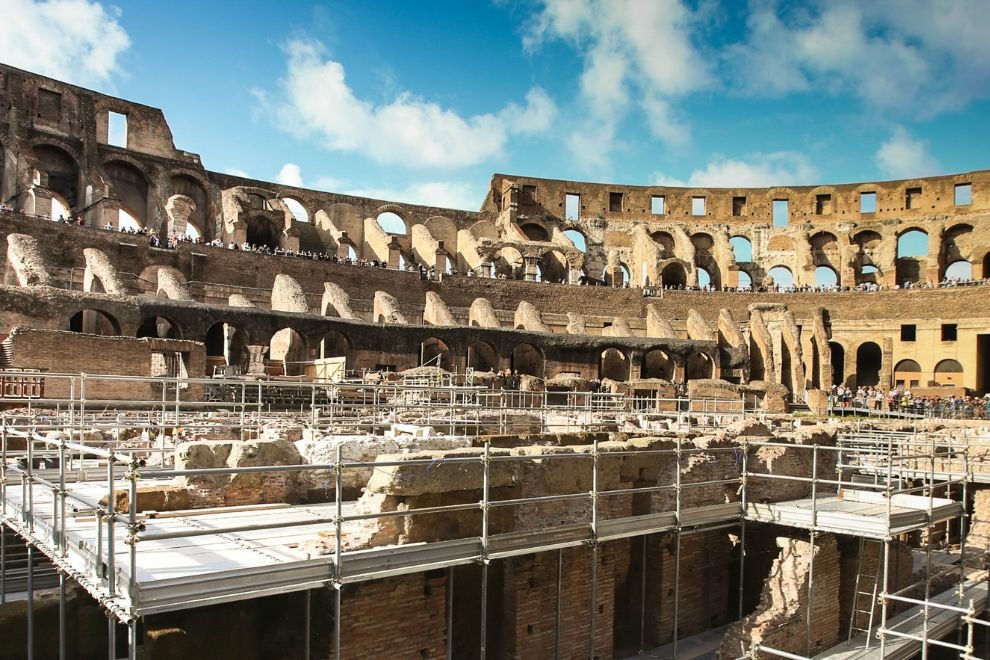
  • Archaeologists Discover Ancient Roman Snacks In The Colosseum

    Archaeologists Discover Ancient Roman Snacks In The Colosseum

    Hidden In The Colosseum: Archaeologists Find Ancient Roman Snacks

    Beginning in 27 BCE, the Roma Empire was one of the most developed and massive empires of its time. Archaeologists have discovered that spectators at Rome’s ancient Colosseum may have indulged in food including olives, grapes, and nuts.

    Food remains from figs, grapes, cherries, blackberries, walnuts, and other fruits and vegetables have also been discovered there.

    Additionally, enormous cat and bear bones that were apparently utilized in the hunting contests in the arena were discovered by archaeologists.

    Archaeologists who were looking through the sewers of the 2,000-year-old landmark uncovered the finds.

    The Study And Team 

    The project, which started in January, required the excavation of some 70 meters of drains and sewers beneath the Colosseum. It is thought to provide insight into the Colosseum’s final years until it was abandoned around 523 AD.

    50 bronze coins from the late Roman era, which is around 250–450 AD, and a silver commemorative coin commemorating Emperor Marcus Aurelius’ ten years in power were among the ancient coins found in the dig.

    The finds “deepen our comprehension of the experience and habits of those who came to this site during the lengthy days dedicated to the performances,” according to Alfonsina Russo, director of the Colosseum Archaeological Park.

    The Colosseum, the largest amphitheater in the Roman Empire, was abandoned in the year 523. It was renowned for holding public events including gladiatorial battles in front of tens of thousands of spectators.

  • 700 Years Old Mexican Architecture Supports Sustainable Agriculture

    700 Years Old Mexican Architecture Supports Sustainable Agriculture

    All over the world, we see ancient architecture and whole civilizations intact and in their best form. Compared to architecture today, that leads to leaks, cracks, and dents within 2-3 years of construction. The techniques used by our ancestors were way more sturdy, durable, and sustainable than the ones we rely on today. One such example is the Floating Gardens of Xochimilco, Mexico. 

    The Aztec Empire undertook a vast land reclamation operation in the 14th century that left behind these man-made island farms. The farms still provide food for Mexico City’s population today. Hundreds of tourists swarm Xochimilco’s canals every weekend to see a flashy show of sombreros, food, music, and art. But most are unaware of the ancient engineering marvel as they go alongside the chinampas, often known as “floating gardens.” 

    A Dive Into The Past

    According to mythology, the Aztecs were delighted by an extraordinary sight on Lake Texcoco when they first arrived in the Valley of Mexico in 1325 AD. On the swampy margins of the lake, sat an eagle with a serpent in its beak perched on a prickly pear cactus. The nomadic tribe made the decision to establish themselves and create their capital city here. It was known as Tenochtitlan.

    The Aztecs used chinampas to build floating gardens that could be used for agriculture, animal rearing, and hunting for animals and food in areas farther from the city center. They connected islands in Tenochtitlan’s city center using bridges and boardwalks. The Aztecs were able to support their expanding empire because of their inventive method of farming on water.

    Beneficial To Sustainable Architecture

    The Chinampas, also a World Heritage Site, are still productive and environmentally sound. These man-made island farms are effective and self-sufficient. They make up one of the most prolific agricultural systems in the entire globe.

    This is due to the soil being continually improved by fine lake sediments, plant debris, and animal waste. The ahuejote fences around each island also serve as organic trellises for vine crops. Furthermore, shield the chinampa from wind and pests, and prevent erosion. They had an incredible ability to grow up to seven different crops yearly. Early in the 16th century, Aztec chinamperos produced 13 times as much food as dryland farmers.

    “Chinampas are like giant sponges; you don’t need to water them, yet they can be productive all year long.” said Lucio Usobiaga, founder of Arca Tierra.

    Present Scenario

    The remaining islands were still farmed on a small scale, but the market for chinampa agricultural products drastically decreased. People started switching to purchasing more affordable substitutes from big wholesale markets that got their produce from outside of Mexico City. 

    The families of chinamperos began looking for better employment options in downtown Mexico City even though tourism on Xochimilco’s canals did generate some additional cash.

    Local organizations played a significant role in connecting chinamperos with potential customers by developing online portals. Through this clients could conveniently obtain fresh veggies, free-range eggs, and chinampa honey. During the pandemic, Chinamperos coordinated with initiatives like Comidas Solidarias to give meals to patients, medical personnel, and needy families.

    Seven hundred years after they were first built, Xochimilco’s chinampas are feeding and sustaining Mexico City in uncertain times and unfavorable environments.

  • Solution For Post-Renovation Waste- After-Build Cleaning Services

    Solution For Post-Renovation Waste- After-Build Cleaning Services

    Renovating and revamping your current house is a dream for many. It is sometimes a way better option than going for a whole new property to live in. You get to keep your existing home and the memories attached to it, while also making it a bit more convenient and efficient to live in. 

    But the downside of renovation is not just the time spent while the workers do their job, but also the amount of waste generated after and while the work progresses. 

    Waste- not just in terms of wooden planks and screws. Waste in terms of harmful particles of dust and debris. 

    What’s the Solution Then?

    After-Build Cleaning! After-build cleaning is a cleaning service after construction that hires professionals to carry out upon the completion of residential or commercial renovation work. After-Build Cleaning services help in removing high amounts of filth and dust from your surfaces as well as the exterior of your white goods and kitchen appliances service. To ensure that all dust and grime are eliminated, professional cleaners will also thoroughly clean the inside of your windows, the exterior of your cabinets, and the skirting boards.

    CleanAll Crew Ltd, an accredited cleaning company based in London has shared the advantages of hiring after-build cleaning services after construction. 

    How is After-Cleaning Services Essential? 

    CleanAll Crew has put emphasis on the importance of health and safety when it comes to after-build cleaning. Hiring professionals can help one prevent future health issues or accidents while residing in the renovated or constructed property. Dangerous materials and substances like corrosive chemicals, shattered glass, and metal can cause physical and internal damage due to inhalation and other accidental contacts.

    Correct garbage disposal is another advantage of after-build cleaning services because trained cleaners are aware of any health and safety issues and will adhere to local laws. Because they have experience cleaning these kinds of homes, after-build cleaners might also be able to identify any areas that still require attention, ensuring that all spaces are used as intended.

    After completing home additions and dormers, an after-build cleaning service is crucial to understand the best practices of home additions and dormers. Construction projects, including adding new rooms or creating dormers, can leave behind hazardous debris such as sharp nails, dust, and wood splinters. These elements can be harmful, especially if overlooked during regular cleaning. Professional after-build cleaners specialize in identifying and removing all traces of construction materials, including hidden dust and debris in hard-to-reach areas of newly expanded or altered spaces. With their expertise, they ensure that the new home addition or dormer area is not only clean but also free from potential health and safety hazards, making it safe for immediate occupancy.

    “We understand that property renovations are an exciting undertaking, yet many property owners fail to consider the importance of post-renovation services,”  says CleanAll Crew Ltd.