Category: Environment

  • Rising Temperatures, Rising Prices, and The Economic Impact of Heatwaves and Inflation

    Rising Temperatures, Rising Prices, and The Economic Impact of Heatwaves and Inflation

    As global temperatures continue to climb due to climate change, the economic repercussions of heat waves are becoming increasingly evident. These extreme weather events, coupled with rising inflation, are creating a perfect flurry that is affecting economies worldwide. It is important to highlight the interconnected impact of heatwaves and inflation on various sectors, emphasizing the pressing need for adaptive measures.

    The Worldwide Inflation

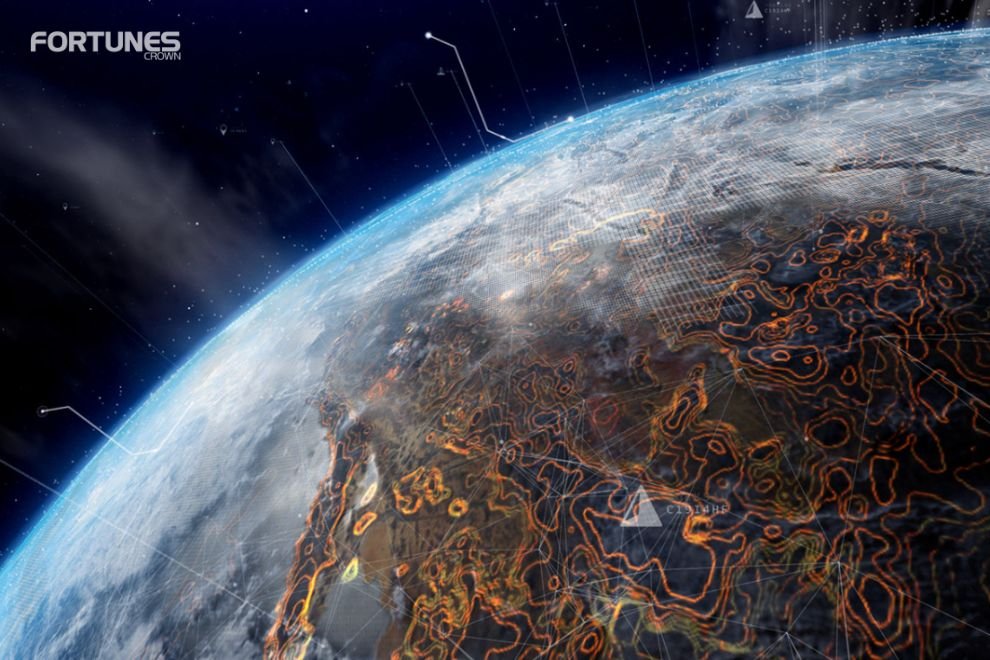
    Climate change is accelerating inflation in many countries, according to new research by the European Central Bank. The study examined the impact of global warming on inflation in 121 countries. It found that higher temperatures are driving up the cost of food and other goods and services.

    This increase in costs is affecting the global economy. The largest impacts are expected in the Global South, particularly in Africa and South America. The report also states that climate change risks price stability by increasing inflation and intensifying the effects of harsh weather.

    The research, a collaboration between the European Central Bank and the Potsdam Institute for Climate Impact Research, comes as financial regulators and central banks are trying to understand the financial threats of climate change. This includes efforts to require public companies to unveil climate risks and conduct stress tests to gauge climate susceptibilities.

    Despite these efforts, research on how extreme weather impacts inflation is still in its early stages. The study used a dataset of monthly consumer price indices from 121 countries to see how rising temperatures affected prices over the last 30 years. One focus was on Europe, where extreme heat and drought last summer hindered agriculture and economic activity, highlighting the significant impact of climate change on inflation.

    The Toll Of Heatwaves On Agriculture

    Agriculture is one of the most vulnerable sectors to extreme heat. Crops require specific temperature ranges for optimal growth, and prolonged exposure to high temperatures can lead to reduced yields and even crop failure.

    Heatwaves aggravate water scarcity, making irrigation more challenging and expensive. As a result, the supply of elementary crops such as wheat, corn, and soybeans is threatened, leading to increased prices for these staples.

    This price hike directly affects food costs for consumers and contributes to overall inflation. The wholesale food inflation in India is now at a four-month high, and will stay a concern in May and June as heatwaves drive up prices of perishable goods, said ICRA Chief Economist Aditi Nayar.

    Moreover, High prices from last year will affect July and August, with the monsoon influencing prices later on. Nayar emphasized the impact of weather on food inflation. It is brought to light that last year’s monsoon was unfavorable, and this year, heat waves are affecting parts of the country.

    She also added, “With summer starting, prices of perishable items are rising. We expect food inflation to increase over the next two months. In July and August, the high base effect from last year will temporarily lower inflation readings.”

    Energy Demand And Costs

    Heatwaves lead to a surge in energy demand as people rely more heavily on air conditioning to cope with the extreme temperatures. This increased demand strains the electrical grid and often results in higher energy prices.

    For businesses, higher energy costs mean increased operational expenses, which are frequently passed on to consumers in the form of higher prices for goods and services. Moreover, energy providers may invest more in infrastructure to handle peak loads, further driving up costs.

    Adaptive Measures And Policy Responses

    Addressing the economic impact of heatwaves and inflation requires proactive measures and comprehensive policies. Governments and businesses can invest in climate-resilient infrastructure, such as heat-resistant materials and improved cooling systems. Promoting water conservation and efficient irrigation techniques can help mitigate the impact on agriculture.

    Additionally, investing in renewable energy sources can help reduce the strain on the electrical grid and stabilize energy costs. Policy responses must also include support for the most vulnerable populations, who are disproportionately affected.

    Moreover, Subsidies or financial assistance for low-income households to afford higher food and energy costs can help alleviate some of the immediate economic pressures. Long-term strategies should focus on reducing greenhouse gas emissions to mitigate climate change and its associated extreme weather events.

    The economic impact of rising temperatures and inflation is profound and far-reaching. Heatwaves worsen the pressure by affecting agriculture, energy demand, health, productivity, real estate, and infrastructure. Addressing these challenges requires a multifaceted approach, including investments in climate resilience, support for vulnerable populations, and policies aimed at handling climate change. By taking these steps, we can better prepare for the economic impacts of a warming world and work towards a more sustainable and impartial future.

  • Mount Merapi Eruption Tragedy: Struggles and Safety Concerns

    Mount Merapi Eruption Tragedy: Struggles and Safety Concerns

    A disastrous explosion of Mount Merapi eruption, an active Indonesia volcano disaster in West Sumatra erupted on December 4, 2023. Unfortunately, eleven climbers lost their lives in the accident, while another twelve missing climbers have not been found. Many were taken away by the eruption, which erupted high into the skies and covered the area around it in a thick covering of volcanic material.

    Search and Rescue Operations

    Teams committed to search and rescue have been tirelessly scouring the slopes of Mount Merapi eruption nonstop in an attempt to find the missing climbers. Ongoing Indonesia volcano disaster activity and a dangerous environment caused serious difficulties for the search effort. There are no more survivors as of Monday afternoon, and the chance of finding the missing climbers alive reduces with every hour that goes by.

    Mount Merapi’s Volcanic History 

    The most recent eruption of Mount Merapi eruption took place in January 2023. The mountain has a long record of eruptions. Nearly 90% of all earthquakes and volcanic eruptions worldwide occur in the extremely active Pacific Ring of Fire, which includes the volcano.

    Safety Advice for Volcanoes

    The tragic events on Mount Merapi in the Indonesia volcano disaster are an alarming indication of the risks related to active volcanoes. When climbing or traveling in volcanic regions, climbers and explorers should be aware of the dangers and take proper precautions to keep themselves safe.

    The Indonesian climbing community has been shaken by Mount Merapi’s explosion and the deaths that followed. The goal of current search and rescue missions is still to find the missing climbers and help the families of those who have lost loved ones in this horrible event.

  • Ozone Hole Recovery: Reassessing Progress and Challenges

    Ozone Hole Recovery: Reassessing Progress and Challenges

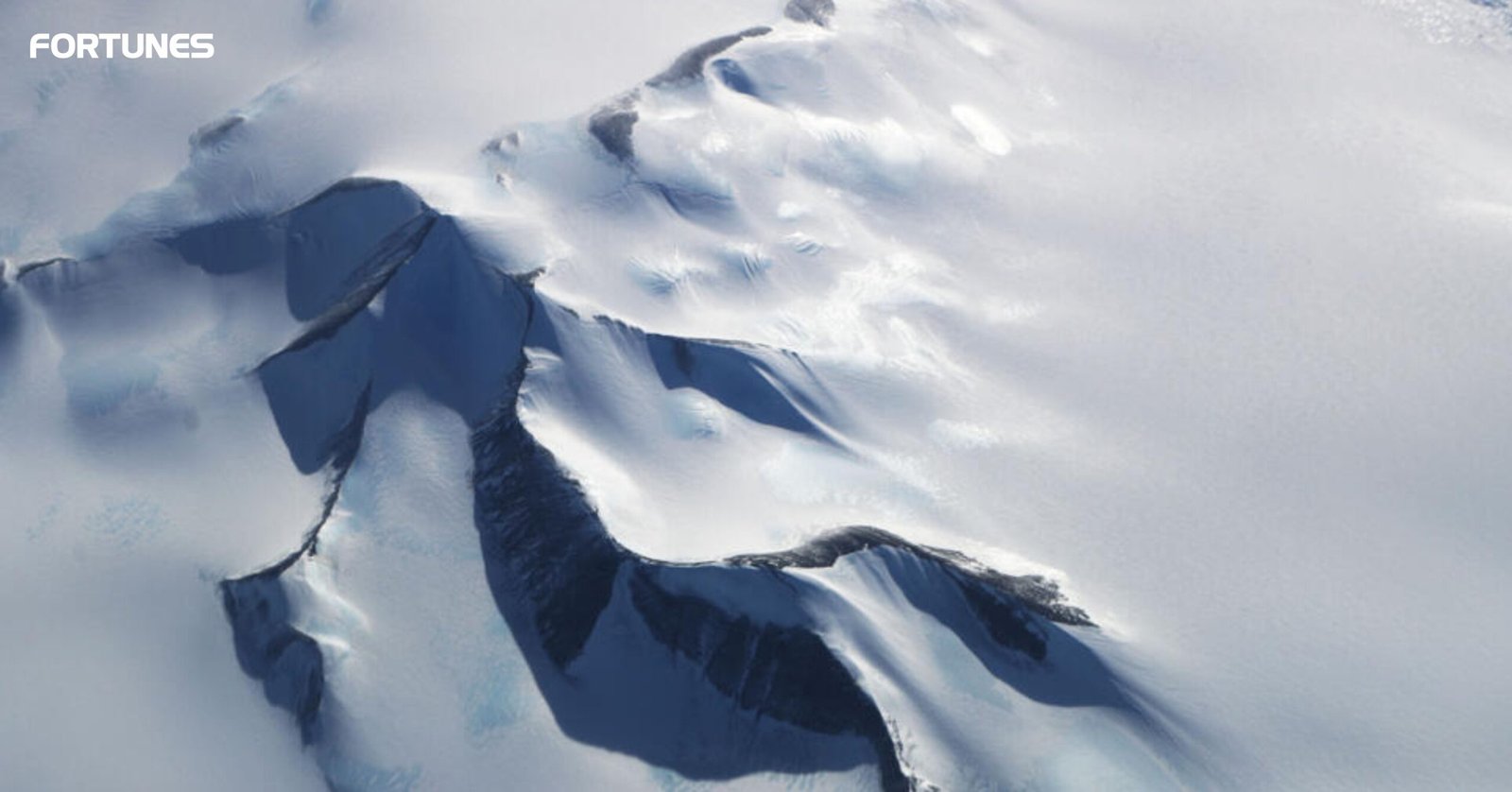
    The recovery of the ozone hole, a large region of diminishing ozone in Earth’s stratosphere over Antarctica. It was a long-held goal among scientists. Recent data, however, casts doubt on this optimism and points to a possible slowdown in the ozone hole’s healing. Efforts to monitor and understand the ozone hole recovery remain crucial for assessing its trajectory and implementation.

    Study Findings: ozone hole expansion

    The University of Maine researchers analyzed 30 years of satellite data, revealing concerning trends regarding ozone hole recovery. Since 2004, the amount of ozone above Antarctica has decreased by 26%. The ozone hole’s core is where the most severe decline—a 40% reduction—concentrates. Which is a significant decrease from levels observed in the 1990s. These findings underscore the importance of continued research and global efforts. Those efforts to address the ongoing challenges surrounding ozone depletion and ozone hole expansion.

    Factors Impacting Decline: Understanding Causes

    This drop is attributed by the research to several variables. A major contributing factor is the modification of the Antarctic polar vortex, a broad atmospheric pattern that isolates the ozone hole. Furthermore, by cooling and extending the polar vortex, climate change exacerbates ozone depletion. Understanding the intricate relationship between climate change impact on the ozone layer and the alterations in atmospheric patterns. It is crucial to devise effective strategies to mitigate these adverse effects on our environment.

    Concerns are raised about the ozone hole recovery by these results. Contrary to prior forecasts, the delayed healing process causes concerns for human health. Such as an increased vulnerability to skin cancer and other health conditions related to ozone depletion. Understanding the complex interplay between factors like climate change impact on the ozone layer and its subsequent effects on human health. It is critical for implementing comprehensive policies and protective measures.

    Call for Action: Continued Monitoring and Efforts

    It is important to monitor the ozone layer continuously and do further study into the causes impeding its recovery. Particularly in light of concerns surrounding ozone hole expansion. They support persistent efforts to reduce emissions of compounds that deplete the ozone layer. Such as chlorofluorocarbons (CFCs), which were outlawed in the 1980s by the Montreal Protocol. Continued vigilance and global cooperation in adhering to such protocols are crucial in curbing the factors contributing to ozone depletion.

    Even while closing the ozone hole is still a difficult task, the Montreal Protocol is proof that ozone-depleting compounds can be reduced. Despite the obstacles, there is hope that the Earth’s crucial atmospheric barrier can eventually be restored. It can happen with persistent observation and investigation focused on ozone hole recovery. Continued dedication to understanding the complexities of ozone depletion and unwavering commitment to international agreements will be key to achieving this ambitious goal.

  • “ClimateAi” An Effort To Predict Climate-Related Threats

    “ClimateAi” An Effort To Predict Climate-Related Threats

    Central Indian tomato farmers face a major challenge from the changing climate. Over the last ten years, the area has seen numerous droughts that have destroyed crops and decreased farmer revenue.

    As an aid, ClimateAi, a Silicon Valley business, employs artificial intelligence to support farmers in adapting to rising temperatures. The business has developed a platform that allows it to predict a location’s viability for crop growth over the next 20 years based on its soil, water, and climate variables.

    What is ClimateAi ?

    According to Bloomberg,

    The company claims that its clients can predict and get ready for climate-related threats to their supply chains and operations over time spans varying from weeks to seasons by utilizing machine learning algorithms. Gupta stated that without access to AI-powered tools, that era is typically a modeling blind area for climate forecasts.

    In order to more accurately forecast climate hazards, particularly for areas with sparse meteorological data, ClimateAi developed deep learning models that included oceanic factors including sea surface temperature and oceanic salinity.

    How Does ClimateAi Work?

    Farmers may enter the type of seed they are growing and the desired planting location into the ClimateAi app.

    Using that data, ClimateAi did models and discovered that over the following 20 years, the region’s tomato yield will fall by about 30% due to high heat and drought. Growers were cautioned to alter their approach.

    The outcomes proved crucial; tomato farmers modified their business strategies by planting their tomatoes at different times of the day and using more climate-resilient seed kinds.

    It normally takes some time for farmers impacted by climate change to find new growing places, but now wish ClimateAi,

    Now it can happen in a matter of minutes, and it also saves them a lot of cost,” according to Himanshu Gupta, who grew up in India and is a co-founder of ClimateAi.

    “The way we think about AI is it’s a time and effectiveness multiplier to the solutions for climate change,” Himanshu Gupta told CNN.

    The Potential

    AI is addressing the environmental catastrophe in many more ways while also assisting farmers. Artificial Intelligence is capable of carrying out sophisticated tasks that humans may find impossible. Massive volumes of data may be swiftly processed and connected using the technology.

    Because of this, AI is highly proficient at tasks like forecasting and simulating. Furthermore, AI tools have the ability to learn continuously, unlike traditional computer programs, as fresh data becomes available or the systems receive additional input regarding the calibre of their outputs.

  • No Escaping the Climate Crisis: Report Identifies US Hotspots of Severity

    No Escaping the Climate Crisis: Report Identifies US Hotspots of Severity

    The most recent comprehensive climate report, which was published by eminent environmental groups and climate experts, has exposed alarming facts on the scope and gravity of the climate emergency in the United States. The research emphasizes that, in contrast to earlier beliefs, every area of the country is vulnerable to the catastrophic effects of climate change.

    Coastal Areas Are a Regional Risk

    The in-depth study of the paper pinpoints particular areas that are suffering from the worst effects of the climate emergency in the United States. Coastal regions, including those on the Eastern Seaboard and the Gulf of Mexico, are increasingly vulnerable to storm surges, rising sea levels, and hurricane activity. Miami, Florida, and certain portions of Louisiana are vulnerable cities that are facing the catastrophic pressures of invading waves and deteriorating coasts.

    Wildfires and Droughts: Western Challenges

    Long-lasting droughts and growing wildfires in the West have turned once-vibrant landscapes into tinderboxes. Communities, ecosystems, and economies are devastated by frequent infernos that strike states like California, Oregon, and Washington. The research issues a warning about increased dangers to agricultural sustainability and water resources, which would exacerbate food poverty and financial constraints amidst the escalating climate emergency in the United States.

    Interior Dangers: Urban Difficulties and Heatwaves

    Interior areas deal with a unique combination of climate-related issues, such as increasing heatwaves that put a burden on energy supplies and seriously jeopardize public health. Record-breaking temperatures in places like Phoenix, Arizona, and Las Vegas, Nevada, necessitate quick action to protect public safety and promote sustainable urban growth.

    Call to Action: The Need for Cooperative Solutions Is Critical

    The study underscores the urgent need for pre-emptive measures and adaptable tactics, even as it highlights the harsh reality of the climate emergency in the United States. It emphasizes how crucial community involvement, policy changes, and climate resilience are to reducing effects and protecting vulnerable groups.

    Closing: Joining Forces to Combat the Climate Emergency

    The study is a clear call to action for the country as it faces the unrelenting advance of the climate emergency in the United States. It emphasizes how important cooperation, creativity, and unshakable dedication are in fending off this existential threat to the whole world. The results serve as a clear reminder that action must be taken immediately, and they call on communities, companies, and governments to work together to address the many issues raised by the climate catastrophe.

  • Mr Beast’s Mission to Bring Clean Water to Africa Sparks Debate and Hope

    Mr Beast’s Mission to Bring Clean Water to Africa Sparks Debate and Hope

    The public’s attention has again been drawn to renowned YouTuber and philanthropist Mr Beast, who is well-known for his incredible acts of kindness and compassion. For Mr. Beast’s Mission to Bring Clean Water he has funded the building of 100 wells in various African towns.

    Accolades for the Clean Water Programme

    The introduction of this enormous project has drawn criticism and appreciation, as the charitable deed raises questions about the role influencers should play in tackling global challenges. Jimmy Donaldson, better known by his stage handle Mr. Beast, is well-known for his go-viral pranks that include cash giveaways, donations to worthy organizations, and the creation of massive challenges with substantial monetary rewards. With over 100 million subscribers, his YouTube channel has established him as one of the most prominent content providers on the Internet.

    A Clear Mission: Clean Water for All

    Donaldson announced his ambitious idea on his YouTube channel, to give underprivileged people in Africa access to safe drinking water. He collaborated with several nonprofits and charities that have expertise in digging wells and purifying water.

    Thanking the Rescue Mission

    MrBeast’s Mission to Bring Clean Water has received a great deal of appreciation since it can improve the lives of thousands of Africans who suffer from a lack of access to clean water. One of the most urgent worldwide issues is the lack of access to clean water, which affects many people’s health and finances in underdeveloped countries.

    Not everyone, though, has embraced his deeds. Although his act has noble intentions, some contend that it doesn’t solve the underlying reasons for Africa’s water issue. They contend that while digging wells could offer short-term respite, they don’t address the structural problems that underpin deplorable infrastructure and poverty.

    Dispute Over the Larger Picture

    Some contend that governments and international organizations need to spearhead such a significant charitable endeavor rather than depending on the generosity of people, no matter how sincere their intentions may be. Beyond this, some opponents have expressed worries about the possibility of “white saviorism”—a tendency in which Western influencers are viewed as heroes who save underprivileged communities in Africa and other regions of the world.

    A Favourable Effect

    Ultimately, Mr Beast’s Mission to Bring Clean Water activities have undoubtedly raised much-needed awareness of the water situation in Africa, even though they have caused some criticism. It remains to be seen if this will spark a more extensive conversation about sustainable solutions and global responsibility, but it is obvious that Mr. Beast’s kindness has already improved the lives of a great number of others who are less fortunate.

  • Lost in Time: Amazonian Paradise Reveals Earth’s Hidden Secrets

    Lost in Time: Amazonian Paradise Reveals Earth’s Hidden Secrets

    Scientists have made a stunning discovery that has stunned the scientific community: they have discovered an ancient landscape in a distant part of Earth that was previously thought to be “less well known than the surface of Mars.” This astounding finding has illuminated a hitherto unexplored area of our planet and provided a rare window into its distant history.

    Exploring the Untouched Paradise

    The discovery is the result of a cooperative effort of environmental scientists, archaeologists, and geologists who undertook a daring excursion into the heart of the Amazon jungle in South America. They discovered an unspoiled paradise that had long been concealed from view in the thick, unspoiled Amazonian rainforest.

    The newly discovered terrain, which has been called a location “lost in time,” is made up of massive limestone structures, deep woods, and old riverbeds that have all been kept in almost perfect shape. Based on geological estimates, these rock formations are thought to have existed for millions of years, providing a unique chance to learn about the Earth’s geological past.

    The Difficulties of Exploration

    Because of its unearthly qualities, the find was located in a region known as the “Amazonian Lost World.” The area is isolated from civilization, deep within the massive Amazon basin, and features hazardous topography. It was like going through a maze of vegetation and overcoming difficult natural barriers for the researchers.

    The fact that the experts think this discovery may provide insight into how the temperature and environment have changed over millions of years is what makes it even more amazing. This buried terrain has preserved geological features and fossils that may hold important secrets about the planet’s past.

    Maintaining Biodiversity in a Pure Oasis

    Important information on the vast biodiversity of this region—which has been mostly unaffected by human activity—should also be revealed by The Amazonian Lost World. Scientists hope to discover new and unusual species, which stresses even more how crucial it is to protect these isolated areas in a world where environmental deterioration is posing a growing danger.

    This finding emphasizes how crucial it is to carry out study and exploration in even the most difficult and distant regions of the earth. In order to preserve the mysteries these unexplored regions contain for future generations to study and enjoy, we must safeguard them against the effects of climate change and deforestation as we learn more about the Earth’s hidden past.

    Captivating Prospects Beyond Earth

    A ray of optimism in an era where we frequently go beyond the bounds of our globe for fresh discoveries, experts are already organizing future trips to solve the secrets of the Amazonian Lost World in light of this discovery.

  • Melting Majesty: France’s Mont Blanc Faces a Shrinking Future

    Melting Majesty: France’s Mont Blanc Faces a Shrinking Future

    The tallest mountain in France, Mont Blanc, is experiencing a remarkable transition as it shrinks in height due to the effects of climate change, which is a depressing update on one of France’s most famous natural beauties. Scientists, conservationists, and enthusiasts of Mont Blanc are concerned about how the spectacular mountain, which formerly towered 4,808 meters (15,774 feet) above sea level, is deteriorating.

    A Glacier’s Retreat

    As a well-known representation of France, Mont Blanc has drawn climbers, hikers, and environment lovers worldwide for a very long time. But new research has found a worrying pattern: the glaciers on the peak are fast melting. According to research, the glaciers have lost almost 25% of their ice mass just in the last two decades. Rising global temperatures and the subsequent melting of glacier ice are directly responsible for this frightening rate of retreat.

    The Impacts of Climate Change

    Mont Blanc’s shrinkage is a stark warning of the wider effects of climate change. According to experts, the main cause of this occurrence is the region’s rising temperatures, which are more than double the world average. The glaciers atop Mont Blanc are melting more quickly now because of the changing environment, which has caused a considerable decrease in their height and volume.

    The region’s rivers and streams get massive amounts of freshwater as a result of the glaciers’ melting, which has an effect on the ecosystems and water supplies in the area. Landslides and avalanches are also a severe concern in the area due to the thinning ice, affecting adjacent towns and infrastructure.

    Local Concerns and International Significance

    For the French Alpine area, Mont Blanc is of enormous cultural, economic, and environmental importance. The health of the mountain is crucial for the local economy since local residents rely on the tourism that it produces. Visitors may fall as a result of the melting glaciers, which may have an effect on the livelihoods of individuals who depend on tourism-related revenue.

    Global warming’s effects are starkly demonstrated by Mont Blanc’s melting glaciers on a global scale. The mountain’s predicament highlights the pressing requirement for group efforts to thwart climate change on a worldwide basis.

    What’s Being Done?

    Together with local officials, scientists, and environmental organizations, they have been monitoring the situation and putting plans in place to lessen the effects of climate change in the area. One of the methods being pursued is the reduction of greenhouse gas emissions and the promotion of sustainable tourism.

    Additionally, studies are being conducted to learn more about the dynamics of the glaciers on Mont Blanc and to create plans to safeguard the mountain and its surroundings.

    The Future of Mont Blanc

    The entire globe is anxiously watching Mont Blanc dwindle. Its demise serves as a sombre reminder of the urgent need to take action to conserve our planet’s natural beauty since its destiny is entwined with the greater fight against climate change.

    There is still hope that mankind will rise to the task of protecting what is left of this famous mountain and the numerous other natural wonders that are being endangered by our changing climate, even if Mont Blanc may never recover its previous glacial beauty. Like the Earth itself, Mont Blanc is a limited resource that requires our utmost care and consideration.

    The diminution of Mont Blanc serves as both a warning and a call to action as the globe struggles with the inescapable fact of climate change. It is a symbol of nature’s frailty in the face of a changing climate and a reminder that the decisions we make today will determine the landscapes of tomorrow.

  • Tragic Collision Claims Lives in Libya: Greek Rescuers Among the Victims

    Tragic Collision Claims Lives in Libya: Greek Rescuers Among the Victims

    Libyan capital Tripoli, September 18, 2023: In an awful turn of events, rescue workers from Greece who were on an emergency trip were among those killed in a road collision in Libya. The incident has shocked the whole world, bringing up an outpouring of compassion and support.

    Humanitarian Mission Turns Fatal

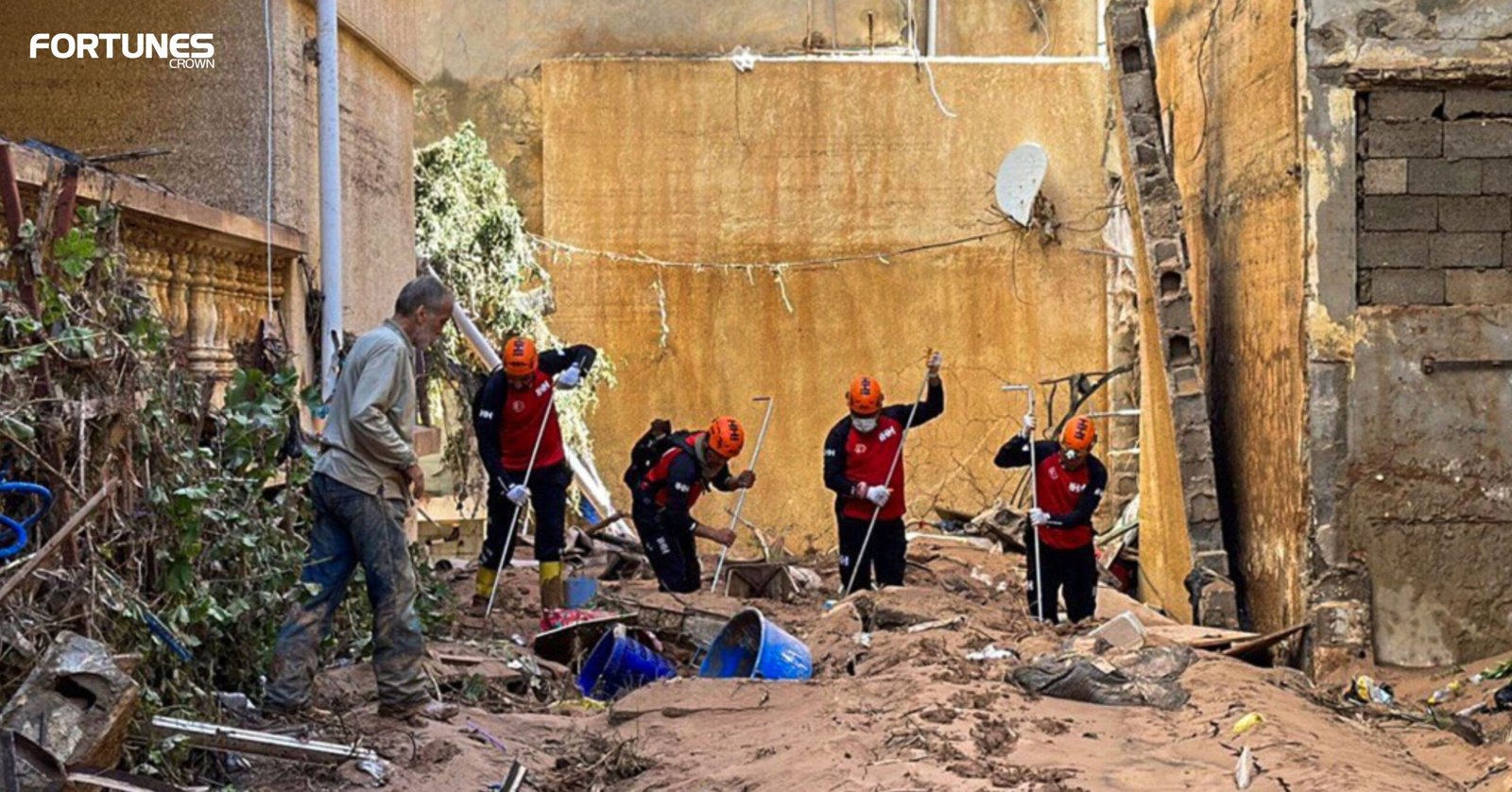
    A group of humanitarian aid workers, including Greek rescuers, was headed to help people impacted by ongoing fighting in the area when the tragic crash happened on a sand-covered road in Tripoli, Libya. Multiple cars were involved in the crash, which led to a tragic death toll.

    According to initial inquiries, the tragedy may have been caused by adverse weather conditions in addition to shoddy road infrastructure. The crash happened when the convoy—which included ambulances and supply trucks—was navigating rough terrain. Tragically, the Greek rescuers, who had selflessly committed themselves to saving lives in crises, fell prey to their own brave efforts.

    International Outpouring of Grief and Solidarity

    The international spread of the accident’s news caused an outpouring of sympathy and support. Humanitarian businesses, world leaders, and regular people have all mourned with and provided assistance to the relatives of the victims.

    In a statement, Greek Prime Minister Sophia Karamanlis conveyed her deep sorrow at the loss of the Greek rescuers. “These courageous people put their lives in danger to save others, and we mourn their passing today. They reflected the kindness and compassion that define our country, she stated. The Greek government has vowed to support the victims’ families and proclaimed a day of national mourning.

    In a statement, the United Nations additionally acknowledged the sacrifices made by volunteers throughout the world. “The passion and bravery of people like these Greek rescuers are proof of the humanitarian community’s enduring willpower. Their sacrifice serves as an example of the dangers they take on every day to relieve suffering in crisis areas, according to the UN Secretary-General.

    Authorities in Libya are looking into the circumstances leading up to the incident in great detail. In order to avoid such deaths in the future, the region’s infrastructure and roadway security are being improved.

    This sad episode serves as an upsetting example of the difficulties encountered by humanitarian workers working in dangerous situations and places with few resources. It stresses the need for ongoing international assistance, financial support, and investments in infrastructure and safety measures to protect people who give their all to save lives.

    The sad incident that claimed the lives of the Greek rescue and other people also serves as a sad reminder of the humanity that unites us all. Nations gather to give support and feelings in the face of sorrow and loss, showing that even in the most difficult situations, the world community is capable of compassion and understanding.

  • Peaceful To Populated: Over Tourism Ruins Mount Fuji

    Peaceful To Populated: Over Tourism Ruins Mount Fuji

    Millions of people visit Mount Fuji every year, which was once a serene pilgrimage spot. Buses, supply trucks, noodle shops, and trucks selling fridge magnets are all now lining the highway.

    The number of hikers on the famed volcano has reportedly reached a dangerous level ecologically, according to the authorities.

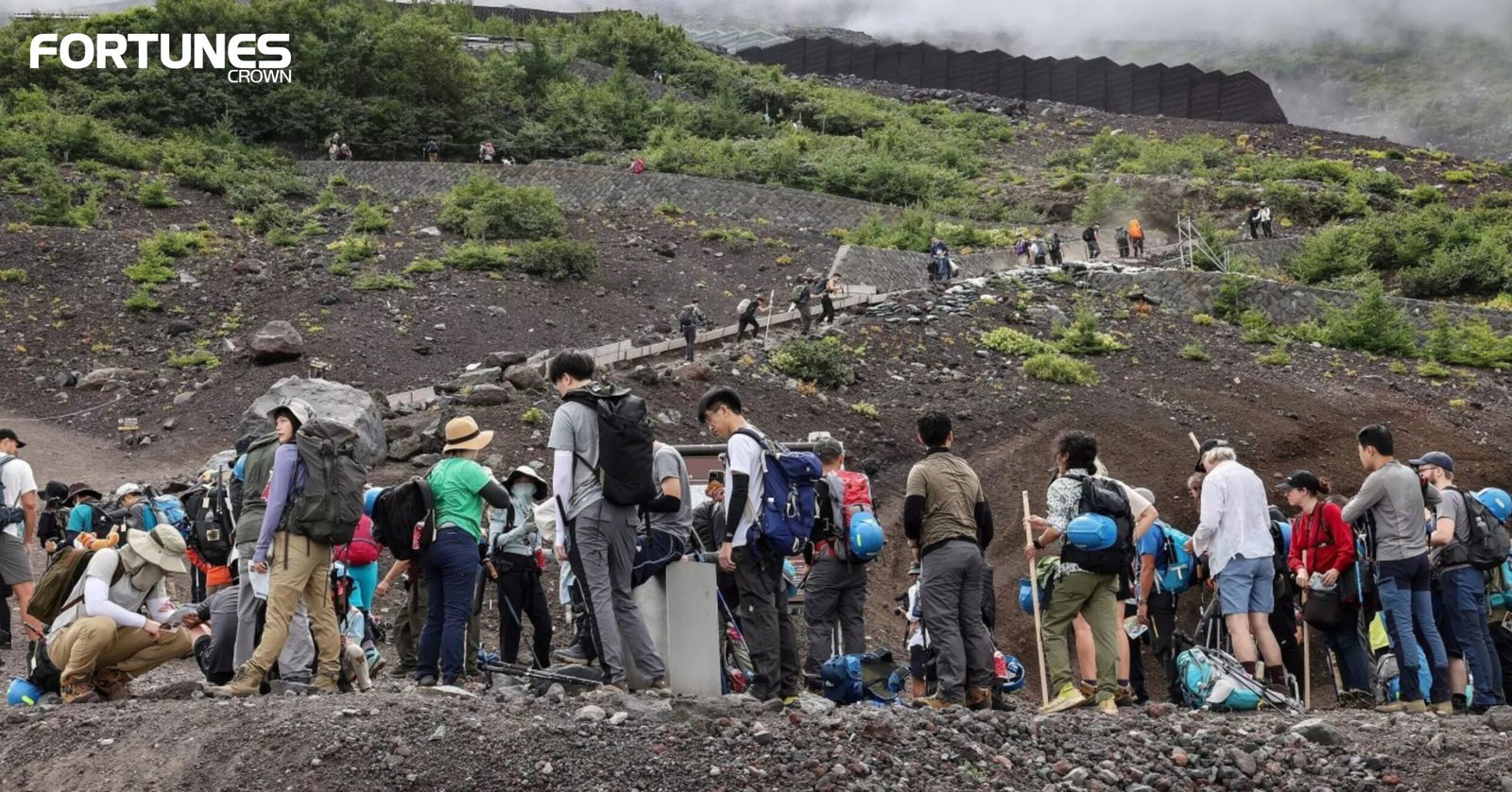
    Japan’s Mount Fuji is no longer the serene, holy destination it once was. Today, it is congested due to increased pollution and overtourism.

    Authorities label Mount Fuji tourism as unsafe and environmentally irresponsible. The local governor even referred to the site as “screaming” when describing it as a UNESCO World Heritage Site.

    Double The Visitors

    The “internationally acknowledged the icon of Japan” was added to UNESCO’s World Heritage List in 2013.

    The title, however, has served as both a blessing and a burden, as it has in locales like Rio de Janeiro’s Sugarloaf Mountain and Bruges in Belgium.

    Between 2012 and 2019, the number of visitors more than doubled to 5.1 million, yet that figure only includes Yamanashi prefecture, which serves as the primary entry point.

    Post COVID Boom

    Around 65,000 hikers have reached the summit since the yearly climbing season began just a few months ago in July, a rise of 17% from 2019.

    The mountain, which spans Japan’s Yamanashi and Shizuoka prefectures, has seen thousands more visitors, according to officials, as a result of the post-Covid tourism boom.

    Additionally, they worry that the environmental situation has reached a “critical point” as Mount Fuji celebrates the tenth anniversary of receiving the UNESCO designation this year.

    A Possible Solution

    The number of visitors to Mount Fuji has returned to pre-pandemic levels, which has local officials in Japan concerned.

    So, how do they propose to reduce Mount Fuji’s excessive tourism?

    To begin with, officials intend to implement crowd control measures for the first time. Then, rather than using major highways, they want to build a light rail system to transport people to the starting site for hikers. Instead of emphasising quantity, there will be a focus on quality tourism.

    “We firmly believe that with regard to Mount Fuji tourism, a shift from a quantity approach to a quality one is essential,” Yamanashi’s governer Kotaro Nagasaki said.

    Between 2004 and 2018, 74,215 volunteers from the Fujisan Club, a nonprofit devoted to protecting Mount Fuji, carried out 992 clean-up operations along the peak’s foothills, collecting 850 tonnes of trash.