Tag: public health

  • Understanding the HMPV Virus: A Comprehensive Guide

    Understanding the HMPV Virus: A Comprehensive Guide

    Human Metapneumovirus (HMPV) is a significant pathogen responsible for respiratory tract infections, affecting people across all age groups. Since its discovery in 2001, it has been recognized as one of the primary causes of respiratory illness, second only to respiratory syncytial virus (RSV) in its impact on young children, older adults, and individuals with compromised immune systems. This article delves into the history, characteristics, transmission, clinical manifestations, diagnosis, treatment, and prevention of the HMPV virus, offering an in-depth understanding of its role in public health.

    History and Discovery

    HMPV was first identified in the Netherlands in 2001, though retrospective studies suggest its presence in human populations for several decades prior. The virus was isolated from children with acute respiratory tract infections, marking a pivotal moment in respiratory virology. Genomic analysis revealed that HMPV belongs to the Paramyxoviridae family, sharing similarities with RSV and avian metapneumovirus (AMPV), indicating a probable zoonotic origin.

    Structure and Characteristics

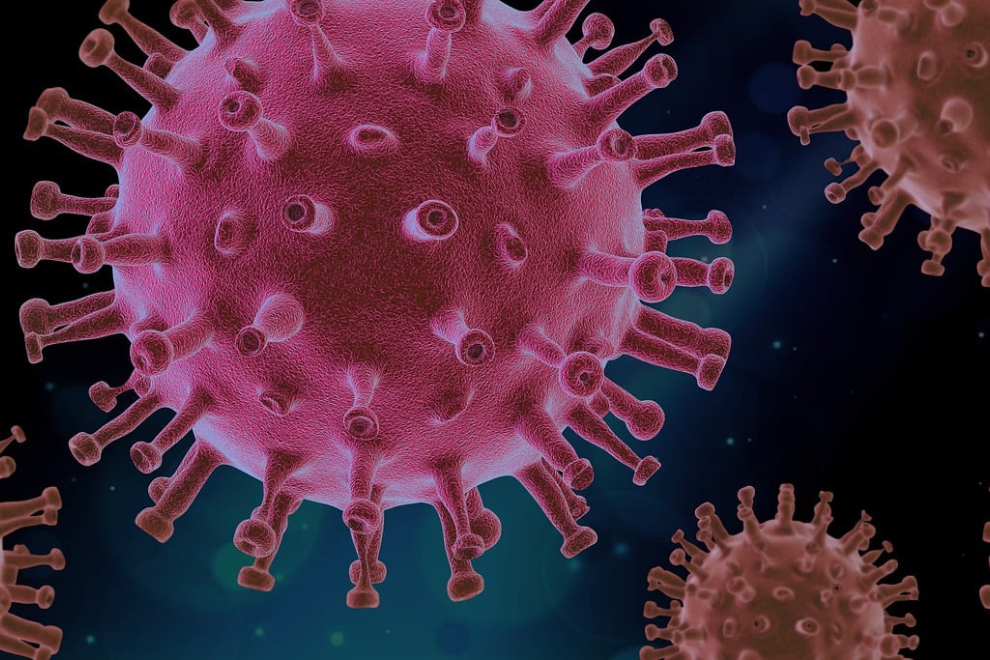
    HMPV is an enveloped, single-stranded RNA virus with a negative-sense genome. Its genome encodes nine proteins, including the fusion (F) and attachment (G) glycoproteins, which play critical roles in viral entry and immune response evasion. The virus is classified into two main genetic lineages, A and B, each further divided into sub-lineages. These variations influence its epidemiological patterns and immune response.

    Transmission and Epidemiology

    HMPV is highly contagious and spreads primarily through respiratory droplets, direct contact with infected individuals, or contact with contaminated surfaces. It exhibits seasonal patterns, with infections peaking during late winter and early spring, similar to other respiratory viruses.

    Epidemiological studies show that HMPV infects individuals of all ages, but certain populations are more vulnerable, including:

    • Infants and young children: HMPV is a leading cause of bronchiolitis and pneumonia in this group.
    • Older adults: Age-related decline in immunity increases susceptibility.
    • Immunocompromised individuals: Those with weakened immune systems are at higher risk of severe disease.
    • Individuals with underlying health conditions: Chronic illnesses like asthma, COPD, or cardiovascular diseases exacerbate the impact of HMPV.

    Clinical Manifestations

    The symptoms of HMPV infection range from mild upper respiratory tract illness to severe lower respiratory tract disease. Common symptoms include:

    • Fever
    • Cough
    • Nasal congestion
    • Shortness of breath
    • Wheezing
    • Sore throat

    In severe cases, particularly among high-risk groups, HMPV can lead to complications such as bronchiolitis, pneumonia, or exacerbation of chronic respiratory conditions. Hospitalization rates are significant in infants, older adults, and those with underlying health issues.

    Diagnosis

    Diagnosing HMPV infection requires a combination of clinical evaluation and laboratory testing. Common diagnostic methods include:

    1. Reverse Transcription-Polymerase Chain Reaction (RT-PCR): The most sensitive and specific method for detecting HMPV RNA in respiratory specimens.
    2. Immunofluorescence Assays: Used to detect viral antigens in respiratory samples.
    3. Serology: Measures antibody responses, useful in retrospective studies or epidemiological surveys.

    Treatment

    Currently, there is no specific antiviral treatment for HMPV. Management focuses on supportive care to alleviate symptoms and prevent complications. Key interventions include:

    • Hydration and rest: Essential for recovery.
    • Oxygen therapy: For individuals with significant respiratory distress.
    • Bronchodilators: May be used to relieve wheezing in some patients.
    • Hospitalization: Required for severe cases, especially in high-risk groups.

    Experimental therapies, including monoclonal antibodies and antiviral agents targeting the F protein, are under investigation and hold promise for future treatment options.

    Prevention

    Preventing HMPV infection involves a combination of public health measures and personal hygiene practices:

    1. Hand Hygiene: Regular handwashing with soap and water is effective in reducing transmission.
    2. Respiratory Etiquette: Covering the mouth and nose during coughing or sneezing helps prevent droplet spread.
    3. Environmental Cleaning: Disinfecting frequently touched surfaces reduces the risk of indirect transmission.
    4. Avoiding Crowded Places: Especially during peak seasons, minimizes exposure.

    Vaccination development is an active area of research. While no vaccine is currently available, promising candidates targeting the F protein are in preclinical and clinical stages of development.

    Global Impact and Public Health Significance

    HMPV contributes significantly to the global burden of respiratory illnesses, with substantial healthcare costs and societal impact. Hospitalizations, medical visits, and lost productivity highlight the economic burden of the virus. Enhanced surveillance, research, and public awareness are essential to mitigate its effects.

    Challenges and Future Directions

    Understanding and managing HMPV faces several challenges:

    • Lack of Specific Treatments: The absence of targeted antivirals limits therapeutic options.
    • Vaccine Development: Creating a safe and effective vaccine remains a scientific priority.
    • Limited Public Awareness: Increasing recognition of HMPV as a significant respiratory pathogen is crucial for early diagnosis and prevention.

    Future research should focus on:

    • Identifying novel therapeutic targets.
    • Developing effective vaccines.
    • Enhancing diagnostic tools for rapid and accurate detection.

    HMPV is a pervasive respiratory virus with a profound impact on public health. Its ability to cause severe illness in vulnerable populations underscores the need for continued research, improved diagnostic capabilities, and preventive strategies. By addressing these challenges, the global community can reduce the burden of HMPV and protect those most at risk. Increased awareness and collaborative efforts will be key to combating this silent yet significant threat to respiratory health.

  • Understanding the Norovirus Outbreak: Causes, Symptoms, and Prevention

    Understanding the Norovirus Outbreak: Causes, Symptoms, and Prevention

    The recent norovirus outbreak has brought the spotlight back on one of the most contagious viruses affecting humans. Known for causing gastroenteritis, or the inflammation of the stomach and intestines, norovirus is infamous for spreading rapidly, particularly in close-contact settings like schools, cruise ships, and healthcare facilities. This article delves deep into the nature of norovirus, the reasons behind its rapid spread, symptoms, treatment options, and preventive measures.

    What is Norovirus?

    Norovirus is a group of viruses that are the leading cause of acute gastroenteritis worldwide. It is often referred to as the “winter vomiting bug,” although outbreaks can occur year-round. The virus is highly contagious and can spread through contaminated food, water, surfaces, and direct contact with infected individuals.

    Unlike bacterial infections, antibiotics are ineffective against norovirus. The virus is resilient, able to withstand extreme temperatures, and can persist on surfaces for days. This makes it a particularly challenging pathogen to control, especially in densely populated or poorly sanitized environments.

    How Does Norovirus Spread?

    Norovirus spreads primarily through the fecal-oral route. This means that the virus can be transmitted when contaminated material is ingested. Common modes of transmission include:

    1. Contaminated Food and Water:
      • Consumption of raw or undercooked shellfish, particularly oysters.
      • Eating fruits and vegetables that have been irrigated with contaminated water or handled by infected individuals.
    2. Person-to-Person Contact:
      • Direct contact with an infected individual, such as shaking hands or sharing utensils.
      • Caring for someone who is ill with norovirus.
    3. Contaminated Surfaces:
      • Touching surfaces or objects contaminated with the virus and then touching your mouth, nose, or eyes.

    The virus’s ability to spread quickly makes it a common cause of outbreaks in places where people are in close proximity, such as nursing homes, schools, and cruise ships.

    Symptoms of Norovirus Infection

    Symptoms of norovirus typically appear 12 to 48 hours after exposure and can last for one to three days. While most people recover without complications, the infection can be severe in young children, the elderly, and those with weakened immune systems. Common symptoms include:

    • Nausea and Vomiting: Sudden onset is a hallmark of norovirus.
    • Diarrhea: Watery and frequent stools.
    • Stomach Cramps: Often accompanied by bloating.
    • Fever and Chills: Mild fever and a general sense of discomfort.
    • Muscle Aches and Fatigue: Feeling drained and weak.

    Severe dehydration is a significant risk, especially in vulnerable populations, and may require medical attention.

    Diagnosing Norovirus

    Diagnosis of norovirus is usually clinical, based on symptoms and the history of exposure, particularly during an outbreak. Laboratory testing of stool samples can confirm the presence of the virus, though this is often unnecessary unless the case is part of a public health investigation.

    Treatment and Management

    There is no specific treatment for norovirus. Management focuses on relieving symptoms and preventing complications. Key steps include:

    1. Hydration:
      • Drink plenty of fluids to replace lost electrolytes.
      • Oral rehydration solutions (ORS) can be particularly effective.
    2. Rest:
      • Allow the body to recover by avoiding strenuous activities.
    3. Over-the-Counter Medications:
      • Anti-diarrheal medications may be used sparingly but are generally not recommended for young children.
    4. Dietary Adjustments:
      • Stick to bland, easy-to-digest foods like bananas, rice, applesauce, and toast (the BRAT diet).

    Preventing Norovirus Outbreaks

    Prevention is the best defense against norovirus. Since the virus is highly contagious, even small lapses in hygiene can lead to outbreaks. Here are some effective preventive measures:

    1. Hand Hygiene:
      • Wash hands thoroughly with soap and water for at least 20 seconds, especially after using the restroom, changing diapers, and before eating or preparing food. Alcohol-based hand sanitizers are less effective against norovirus.
    2. Food Safety:
      • Cook shellfish thoroughly.
      • Wash fruits and vegetables under running water.
      • Avoid preparing food for others when you are sick and for at least two days after symptoms stop.
    3. Surface Disinfection:
      • Clean and disinfect surfaces with a bleach-based solution, especially in areas where someone has been sick.
    4. Isolation:
      • Avoid contact with infected individuals.
      • Stay home from work or school if you are experiencing symptoms.
    5. Proper Laundry Practices:
      • Wash contaminated clothing and linens with hot water and detergent.
      • Handle soiled items carefully to avoid spreading the virus.

    Why Are Norovirus Outbreaks So Common?

    Several factors contribute to the frequent occurrence of norovirus outbreaks:

    • Low Infectious Dose: As few as 18 virus particles can cause infection.
    • Rapid Mutation: Norovirus evolves quickly, which makes long-term immunity unlikely.
    • Environmental Stability: The virus can survive on surfaces for weeks and resist many common disinfectants.
    • High Shedding Rates: Infected individuals shed billions of virus particles in their stool and vomit, even after symptoms resolve.

    Global Impact of Norovirus

    Norovirus affects millions of people worldwide each year, leading to significant healthcare and economic burdens. In developing countries, the virus’s impact is more severe due to limited access to clean water and sanitation facilities. Even in developed nations, outbreaks can overwhelm healthcare systems and disrupt daily life.

    Current Research and Vaccination Efforts

    Efforts to develop a vaccine for norovirus are ongoing. Researchers are exploring ways to enhance immunity and reduce the severity of symptoms. However, the rapid mutation of the virus poses a significant challenge to vaccine development.

    The norovirus outbreak serves as a stark reminder of the importance of public health measures and personal hygiene in preventing the spread of infectious diseases. While the virus is highly contagious and challenging to control, proactive measures such as proper handwashing, food safety practices, and surface disinfection can significantly reduce the risk of infection.

    By understanding the nature of norovirus and adopting preventive strategies, individuals and communities can play a vital role in mitigating the impact of this common yet disruptive virus. Awareness, vigilance, and adherence to hygiene protocols remain our best defense against norovirus and similar outbreaks.