Author: info@fortunescrown

  • Beyond the Breach: Why Executive Teams Must Think Like Hackers to Lead in the AI Era

    Beyond the Breach: Why Executive Teams Must Think Like Hackers to Lead in the AI Era

    Cyberattacks have evolved, and today’s threats do more than target systems. They exploit behaviors, routines, and blind spots at the leadership level. As businesses continue to adopt AI-driven tools, cloud platforms, and hybrid work models, executives must stop seeing cybersecurity as an IT silo. The truth is, real security starts at the top, and it begins by learning to think like your adversaries.

    Why Traditional Leadership Thinking Falls Short

    Most executive teams focus on growth, efficiency, and innovation. But in the race to scale, many overlook the silent vulnerabilities created by tech adoption: misconfigured APIs, lackluster access control, and team-wide password reuse.

    Boardrooms often prioritize compliance over resilience. But check-the-box security leaves gaps. Breaches today aren’t always brute-force assaults; they’re precision strikes born from reconnaissance, social engineering, and psychological manipulation.

    This means traditional strategies aren’t enough. Forward-thinking leaders are now embracing red teaming not just as a security exercise, but as a strategic leadership mindset.

    What It Means to Think Like a Hacker

    Thinking like a hacker doesn’t mean acting maliciously. It means anticipating how someone with malicious intent might see, probe, and exploit your organization. Hackers don’t just look at code; they look at people. They search for overlooked entry points, human errors, communication gaps, and even misplaced trust.

    When executives adopt this mindset, they stop asking “Is our software secure?” and start asking better questions like:

    • What happens if an employee clicks on a cleverly disguised phishing link?
    • Could someone impersonate our CFO using deepfake audio?
    • Do our third-party vendors have access to things they shouldn’t?
    • Are our internal escalation protocols fast and precise enough?

    Red team operations simulate real-world attack scenarios to expose how an attacker might compromise your systems or personnel. The best ones test more than code; they test culture, decision-making, and response readiness.

    This is where red teaming becomes an invaluable tool. These aren’t just vulnerability scans. They’re immersive tests that reveal how attackers bypass layers of security using tactics like social engineering, credential stuffing, physical intrusion, and lateral movement.

    The most effective red team exercises go beyond code and firewalls. They test:

    • Company culture: Are employees aware, trained, and cautious?
    • Decision-making speed: How quickly can leadership respond to a detected breach?
    • Incident communication: Does your team know who to alert and how to contain the damage?

    Thinking like a hacker means anticipating the unexpected and seeing your company not as a fortress, but as an ecosystem with weak links worth fortifying. It’s not about fear-mongering; it’s about empowering leaders to move from passive defenders to active strategists.

    Why Executive Teams Should Embrace Red Teaming Principles

    You don’t need to lead a tech company to benefit from adopting red team tactics in leadership thinking. Here’s how executive teams can apply red teaming principles to stay ahead:

    • Test assumptions: Don’t just rely on dashboards and reports. Simulate failures, analyze how your team responds, and find weak links before attackers do.
    • Encourage dissent: Red team thinking means creating a space for constructive criticism. Leaders must empower teams to challenge the status quo and propose alternative viewpoints.
    • Prioritize response over perfection: No system is unbreachable. What matters most is how quickly and effectively your team can detect, communicate, and act when something goes wrong.

    AI & Automation: The New Risk Frontier

    AI offers incredible efficiency, but it also introduces new risks, many of which executive teams are underprepared to address. Consider:

    • AI systems trained on biased or incomplete data can make risky decisions.
    • Automated workflows, if misconfigured, can scale security flaws instantly.
    • AI-generated phishing attacks are becoming more convincing and more challenging to detect.

    Red team simulations can help companies evaluate how AI tools might be weaponized against them, from deepfake impersonation to automated network mapping.

    The takeaway? You can’t manage what you don’t understand. Leaders must stay fluent in how AI interacts with their tech stack and how it could be exploited.

    Building a Leadership Culture of Cyber Readiness

    Being cyber-aware as a leader is no longer optional—it’s foundational. To create a resilient organization, executive teams should:

    • Invest in red team partnerships to regularly test both internal and external attack surfaces.
    • Hold tabletop exercises at the leadership level to rehearse breach scenarios and improve decision-making under pressure.
    • Make security a KPI alongside growth metrics, so cybersecurity isn’t viewed as a blocker, but a business enabler.
    • Bridge silos between departments so that HR, legal, IT, and PR are ready to collaborate in crisis response.

    These practices turn reactive leadership into proactive resilience, and that shift can be the difference between a near miss and a catastrophic breach.

    Red Teaming as a Strategic Advantage

    In today’s high-stakes digital economy, the best leaders are both risk-averse and risk-aware. They don’t just trust their tools; they test them, and they don’t view cybersecurity as a compliance issue. They treat it as a pillar of their brand’s long-term survival.

    By thinking like a hacker and leveraging frameworks, executive teams can evolve from reactive managers to offensive-minded visionaries.

  • AI Text-to-Video: The Next Big Breakthrough in Content Creation for 2025

    AI Text-to-Video: The Next Big Breakthrough in Content Creation for 2025

    What Is AI Text-to-Video?

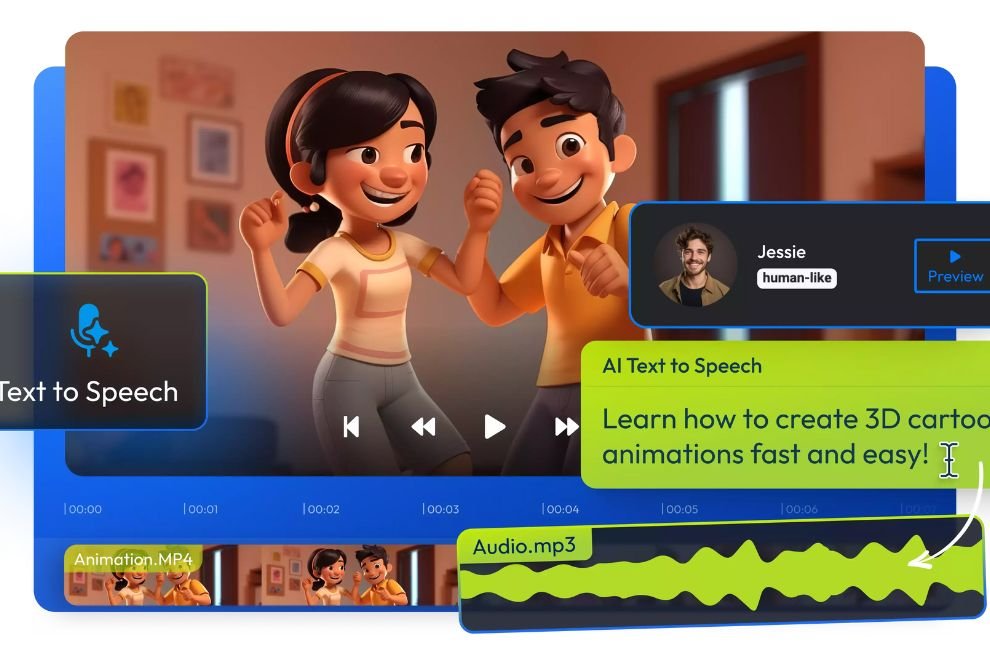
    AI text-to-video is an emerging technology that enables users to generate professional-looking videos simply by typing a script or prompt. Powered by advanced AI models, this innovation bridges the gap between written ideas and visual storytelling without requiring cameras, actors, or video editors.


    Why It’s Trending Now

    In 2025, several breakthroughs in generative AI have made text-to-video tools accessible and effective. With platforms now offering lip-syncing, scene transitions, and visual consistency, creators can produce engaging videos within minutes—changing how marketers, educators, and influencers work.


    Who’s Adopting AI Text-to-Video

    • Content marketers generate social media clips, explainers, and ads on demand.
    • Educators and trainers create interactive video lessons from text outlines.
    • Journalists and writers produce short news summaries and analysis with animated visuals.
    • SMBs and startups craft video content professionally without hiring a production team.

    Benefits and Capabilities

    1. Speed and Efficiency
      Generate polished videos in minutes—no filming, no editing, just AI handling the visuals.
    2. Cost-Effective
      Traditional video production costs can be high. Text-to-video platforms eliminate those expenses.
    3. Scalable Output
      Produce multiple versions of a video for different audiences or languages with minimal extra effort.
    4. Consistent Branding
      Maintain brand aesthetics through templates, logos, and style presets.

    Leading AI Text-to-Video Platforms

    Popular tools include web-based platforms and desktop apps offering rich features such as voice-over, automatic scene generation, and customizable avatars. Many offer free tiers for experimentation and paid plans for high-resolution exports and commercial use.


    Things to Consider

    • Quality limitations
      AI-generated visuals may still appear synthetic in close-up shots.
    • Script crafting
      The better your text input, the better the result—clear storytelling matters.
    • Usage rights
      Check terms of service regarding commercial use and copyright when exporting videos.

    Final Thoughts

    AI text-to-video tools are transforming how videos are made—making professional-quality content accessible to anyone with a script. As the technology evolves, expect more realism, creative control, and seamless integration into everyday workflows.


  • Y2K Nostalgia Revival: Why Early 2000s Aesthetics Dominate 2025

    Y2K Nostalgia Revival: Why Early 2000s Aesthetics Dominate 2025

    What Is Y2K Nostalgia?

    Y2K nostalgia is the growing trend of reviving early 2000s styles, technology, and pop culture. From flip phones and shiny lip gloss to low-rise jeans and camcorder filters, the trend brings back the carefree, playful spirit of the digital age when the internet was young and everything felt fresh and optimistic.


    Why It’s Trending Now

    In 2025, this throwback wave has captured two generations at once. For Millennials and older Gen Z, Y2K aesthetics spark memories of their childhood or teen years. For younger Gen Z, it’s a “new vintage” vibe—quirky, colorful, and refreshingly imperfect compared to today’s hyper-polished feeds. Social media, especially short-form video platforms, have made Y2K visuals cool again, with millions recreating early-2000s looks in fashion, makeup, and music.


    Where Y2K Nostalgia Shows Up

    1. Fashion & Beauty
    Low-rise jeans, baby tees, cargo pants, butterfly clips, and velour tracksuits are back. Frosted eye shadow and shiny lip gloss are trending in makeup tutorials, with creators recreating iconic celebrity looks from the 2000s.

    2. Retro Tech & Filters
    Flip phones, wired headphones, and digital cameras are making a comeback as young people embrace a slower, tactile tech experience. Retro camcorder filters, pixelated overlays, and “vintage” disposable camera snaps are everywhere online.

    3. Pop Culture References
    Music, TV, and movies from the Y2K era are back in everyday content. Fans remix clips, revisit songs from early pop stars, and quote classic shows and rom-coms.


    Why Brands and Creators Love It

    • Cross-Generational Appeal: Y2K connects Millennials and Gen Z audiences.
    • Authenticity: The imperfect, nostalgic vibe feels more real and relatable.
    • Viral Content: Y2K visuals are highly shareable and easily spark trends.

    How to Join the Y2K Trend

    • Update Your Wardrobe: Add vintage denim, tracksuits, chunky sneakers, and colorful accessories.
    • Create Throwback Content: Use retro camera filters, old-school fonts, and nostalgic music.
    • Use Pop Culture Easter Eggs: Reference iconic songs, shows, or catchphrases for a playful nod to the early 2000s.
    • Collaborate: Partner with influencers who naturally embrace Y2K style to reach a nostalgic and trend-hungry audience.

    Final Thoughts

    Y2K nostalgia is more than a trend—it’s a creative escape into a fun, familiar world of sparkly makeup, flip phones, and catchy pop songs. For brands, creators, and everyday fans, this revival is a reminder that sometimes, looking back is the freshest way to stand out.

  • AI Vocal Removers: The Viral Tool Transforming Music Creation in 2025

    AI Vocal Removers: The Viral Tool Transforming Music Creation in 2025

    What Is an AI Vocal Remover?

    An AI vocal remover is a powerful tool that uses artificial intelligence to separate vocals from instrumentals in any song. This means you can instantly extract clean vocal or music tracks — perfect for karaoke, remixes, or creative audio projects. These tools rely on advanced deep-learning algorithms to accurately distinguish vocals from instruments, even in complex songs.


    Why AI Vocal Removers Are Trending Now

    AI vocal removers have become extremely popular in 2025 as more singers, producers, and content creators discover how easy it is to isolate parts of a song. What once required expensive studio software is now available to anyone with an internet connection.


    Who Uses AI Vocal Removers?

    • Aspiring singers create backing tracks for practice and performance.
    • DJs and music producers craft mashups and remixes by isolating vocals or beats.
    • YouTubers and content creators add clean vocal lines to videos and podcasts.
    • Students and music teachers study song structures by analyzing individual stems.

    Top Benefits for Creators

    1. Unlock Creative Freedom
      AI vocal removers give users the power to reimagine any song, opening endless possibilities for new sounds and remixes.
    2. Accessible and Easy to Use
      No expensive studio setup is needed — many tools work online with just a few clicks.
    3. Fast Turnaround
      Most AI vocal removers process tracks in seconds, making quick edits simple for any project.

    Popular AI Vocal Remover Tools

    Popular tools include easy-to-use online platforms and advanced desktop software. Many offer batch processing, high audio quality, and extra features like tempo control or key changes.


    Things to Keep in Mind

    • Sound Quality: Results vary depending on the tool and the complexity of the track.
    • Legal Use: Always check copyright rules before using vocal stems for public or commercial projects.
    • File Formats: Some tools export in high-quality formats for professional use.

    Final Thoughts

    AI vocal removers are transforming how people interact with music. They’re giving singers, producers, and everyday fans the freedom to remix, study, and create in ways that weren’t possible before. As the technology improves, expect even better quality and more creative opportunities in the future.


  • What Tech Founders Need to Know About Entering Healthcare

    What Tech Founders Need to Know About Entering Healthcare

    Breaking into the healthcare space can feel like opening a new door to massive opportunity and a flood of unfamiliar responsibilities. For tech founders, the appeal of solving real-world health challenges with innovative software, devices, or data systems is strong. But the leap from general tech to healthcare tech requires more than just great engineering. It demands a clear understanding of compliance, patient data protection, and federal regulations.

    Entering the healthcare industry brings you into a regulated world with strict requirements regardless of what you’re building. Because at the end of the day, the goal is to build something that works safely, securely, and legally in the context of patient care. So, how do you shift from innovation to regulation without losing your momentum? Let’s explore the key areas tech entrepreneurs need to focus on as they expand into the healthcare market.

    Why Healthcare Tech Is a Different Playing Field

    Most startup founders are familiar with terms like “user data,” “cybersecurity,” and “cloud storage.” But in healthcare, those terms take on an entirely different level of significance. That’s because you’re often handling Protected Health Information (PHI). This includes anything from medical histories and insurance records to biometric data and lab results.

    In the United States, the Health Insurance Portability and Accountability Act (HIPAA) sets the standards for how PHI is stored, accessed, and transmitted. If your product interacts with patient information in any way, you’re likely subject to HIPAA rules. And if you don’t follow them, your company could face significant consequences, including legal penalties, financial losses, or even being barred from the market. This is where many well-meaning startups go wrong. They build incredible tools, only to realize too late that their architecture doesn’t meet compliance standards. Retrofitting compliance is always more complicated than baking it in from the start.

    Building with Compliance in Mind

    Entering healthcare means shifting your mindset early on, from building to building responsibly. And while that might sound like it slows things down, it speeds up long-term success. Investors and partners are far more likely to engage with health tech companies that demonstrate clear compliance processes. Hospitals, clinics, and insurers will also require your platform to meet rigorous standards before considering a pilot or partnership. That means your infrastructure, team practices, and documentation all need to reflect an understanding of healthcare data rules.

    A great place to start is by reviewing a HIPAA compliance checklist. This will help you break down what’s required in areas like risk assessments, employee training, encryption, data access controls, and breach notification procedures. This kind of guidance can be invaluable, especially if your background is in traditional tech startups, where regulations are often much looser.

    Key Areas to Get Right from Day One

    Getting key areas right from the start is essential when building a healthcare tech product. First, your data handling architecture must meet HIPAA standards. This means encrypting data both at rest and in transit, implementing secure access control systems, and ensuring any cloud-based storage complies with regulatory requirements. Next, pay close attention to Business Associate Agreements (BAAs). If you’re using third-party vendors, such as cloud services, analytics platforms, or customer support tools, you’ll likely need to sign BAAs to ensure they also meet HIPAA standards.

    Strong access controls and authentication are also vital, as every team member who interacts with protected health information (PHI) must have a unique login and appropriate permission levels. Multifactor authentication (MFA) should be standard, and you should regularly review access. Beyond technical safeguards, employee training and internal policies play a significant role in compliance as well. All team members, whether they’re developers, designers, or marketers, should receive basic HIPAA training. Your internal documentation should also include clear procedures for data handling, incident response, and breach reporting.

    Lastly, don’t overlook audit trails and monitoring. HIPAA requires systems to log who accessed PHI, when, and for what purpose. Real-time monitoring tools can help you quickly detect any unauthorized access or security incidents, allowing for swift corrective action.

    The Hidden Benefits of Doing It Right

    The hidden benefits of doing it right go far beyond simply meeting regulatory requirements, as building a compliant product is ultimately about building trust. In healthcare, where decisions can impact lives, trust is everything. When your platform is secure and compliant, clinics and providers are more likely to adopt your solution, patients feel more confident sharing their information, and regulatory challenges become much easier to navigate. Even investors take notice, viewing your company as a credible and scalable venture. In short, HIPAA compliance can be a powerful competitive advantage.

    Common Pitfalls to Avoid

    If you’re new to the healthcare space, it’s easy to fall into common traps that can derail your progress. One frequent mistake is assuming HIPAA doesn’t apply. However, if you’re working with real patient data  — even in a beta version — it absolutely does. Another pitfall is leaving compliance to the last minute, which can lead to costly and time-consuming retroactive fixes. Some founders mistakenly view compliance as purely an IT issue when, in fact, it spans the entire organization, from HR and sales to legal and operations.

    Additionally, many overlook the importance of state-specific laws. While HIPAA sets federal standards, individual states like California and New York often have stricter regulations that must also be followed. Consulting with a healthcare compliance advisor early in your development process can help you avoid these missteps before they become serious problems.

    Moving from Tech Founder to Healthcare Leader

    Making the move into healthcare is not about abandoning your innovative instincts. It’s about pairing those instincts with the responsibility that comes with managing sensitive health information. The good news is you don’t have to reinvent the wheel. There are plenty of resources, like HIPAA checklists, legal guides, and compliance frameworks, to help you navigate the transition.

    By embracing regulation as part of your product journey, you build a company that’s not only inventive but resilient, trusted, and built for long-term impact in a field that genuinely matters. So if you’re standing at the intersection of tech and healthcare, take a step forward, but take it wisely. Build with purpose, protect your users, and lead with integrity.

  • World War III Memes: How Gen Z Uses Dark Humor to Cope Online

    World War III Memes: How Gen Z Uses Dark Humor to Cope Online

    Why “World War III” Is Trending

    Escalating tensions in different parts of the world have sparked new fears about global conflict. Instead of panic, many young people are expressing their anxiety in the form of World War III memes—turning serious headlines into viral dark humor.

    How Gen Z Is Reacting

    For Gen Z, humor is a way to cope with overwhelming situations. From ironic tweets to absurd memes, the internet is flooded with jokes about a possible World War III. While the topic is serious, the memes reflect how young people manage stress through satire and collective laughter.

    Why Memes Matter in Times of Crisis

    1. Shared Emotional Outlet
    Memes provide a space for people to connect over common fears and frustrations, using humor as relief.

    2. Instant Cultural Commentary
    Online trends like World War III memes show how quickly internet culture reacts to global events—faster than traditional media.

    3. A Modern Coping Mechanism
    Dark humor helps people process fears that feel too big or too distant to change directly. Memes turn worry into something sharable and relatable.


    What This Trend Reveals About Online Culture

    • Memes are the new emotional currency. They say what many feel but can’t always express directly.
    • Platforms amplify trends instantly. What starts as a joke can turn into a global conversation within hours.
    • Humor softens harsh realities. Even heavy topics become more approachable through relatable posts and viral jokes.

    Tips for Observing or Sharing These Memes

    • Be mindful of tone: Humor about conflict can be misunderstood.
    • Know the difference: Joking is about coping, not minimizing real suffering.
    • Stay informed: Stay aware of the real events behind the memes.

    Final Thoughts

    The rise of World War III memes highlights how digital communities process global fears through dark humor and viral jokes. For Gen Z, it’s a way to cope, connect, and comment on the world—one meme at a time.

  • Best Buy Shopping Guide: Deals, Reviews, and Tips for Smart Electronics Shopping

    Best Buy Shopping Guide: Deals, Reviews, and Tips for Smart Electronics Shopping

    Best Buy is one of the most trusted names in electronics retail in North America. Known for its wide range of products, competitive prices, and convenient shopping experience, Best Buy has remained a top choice for consumers looking for the latest gadgets, home appliances, and tech accessories.

    In this guide, we’ll share the best ways to shop at Best Buy, how to find great deals, and what you need to know to make the most of every purchase.


    Why Shop at Best Buy?

    Best Buy stands out for its extensive selection of electronics, from laptops and smartphones to smart home devices and gaming gear. Customers appreciate its competitive pricing, price-matching policy, and flexible return options. Best Buy’s Geek Squad services also offer expert tech support, installation, and repairs, making it a go-to store for hassle-free electronics shopping.


    How to Find the Best Deals at Best Buy

    1. Check the Weekly Ad:
      Best Buy regularly updates its weekly ad with discounts on top brands. Look for special promotions on big-ticket items like TVs, laptops, and major appliances.
    2. Shop Deal of the Day:
      The Deal of the Day section on Best Buy’s website features daily discounts on popular items. These offers change every 24 hours, so check often.
    3. Use the Best Buy App:
      Download the Best Buy app to get exclusive app-only deals and price alerts on products you’re tracking.
    4. Join My Best Buy Rewards:
      Sign up for Best Buy’s free loyalty program to earn points on every purchase, get early access to sales, and receive exclusive member-only offers.
    5. Take Advantage of Open-Box Deals:
      Best Buy sells open-box and clearance items at significant discounts. These products are often in like-new condition and can save you a lot of money.

    Tips for Smart Best Buy Shopping

    • Compare Prices:
      Always compare prices online before you buy. Best Buy offers a price match guarantee with major retailers.
    • Read Reviews:
      Check verified customer reviews and expert ratings before buying electronics or appliances.
    • Consider Geek Squad Protection:
      For expensive purchases, Geek Squad Protection Plans can add peace of mind with extended coverage and support.
    • Shop During Big Sales:
      Black Friday, Cyber Monday, and holiday sales are the best times to score massive savings at Best Buy.

    Final Thoughts

    Whether you’re upgrading your home theater, buying a new laptop for work, or searching for smart home gadgets, Best Buy remains a trusted one-stop shop for electronics and tech essentials. By staying alert for deals and using smart shopping strategies, you can get the best value every time you shop.


    Looking to make your next electronics purchase?
    Bookmark this Best Buy shopping guide to save money and shop smarter all year round.


  • Top 10 Richest Men in India 2025

    Top 10 Richest Men in India 2025

    Introduction

    India is home to some of the world’s most powerful and visionary entrepreneurs. With a booming economy, strong startup culture, and thriving industries, Indian billionaires are making a global mark. From oil to tech, telecom to infrastructure, here are the top 10 richest men in India in 2025, based on estimated net worth and market influence.


    1. Mukesh Ambani

    • Net Worth: $110+ billion
    • Company: Reliance Industries
    • Industry: Telecom, Energy, Retail, Digital Services
    • Why on the list: As India’s richest man, Ambani continues to expand his empire through Reliance Jio, Reliance Retail, and clean energy initiatives. His influence stretches across every major sector of the Indian economy.

    2. Gautam Adani

    • Net Worth: $90+ billion
    • Company: Adani Group
    • Industry: Infrastructure, Energy, Ports, Airports
    • Why on the list: Despite regulatory hurdles, Adani remains a dominant force in infrastructure and green energy, with major stakes in ports, airports, and solar power.

    3. Shiv Nadar

    • Net Worth: $32+ billion
    • Company: HCL Technologies
    • Industry: IT and Software
    • Why on the list: A pioneer in India’s tech industry, Shiv Nadar’s vision helped make HCL a global IT powerhouse. He’s also recognized for his philanthropic efforts in education.

    4. Savitri Jindal & Family

    • Net Worth: $28+ billion
    • Company: Jindal Group
    • Industry: Steel, Power, Infrastructure
    • Why on the list: The only woman on the list, Savitri Jindal leads a legacy business empire focused on steel production and sustainable industrial development.

    5. Cyrus Poonawalla

    • Net Worth: $25+ billion
    • Company: Serum Institute of India
    • Industry: Pharmaceuticals, Vaccines
    • Why on the list: Cyrus Poonawalla’s firm is the world’s largest vaccine manufacturer. His wealth surged post-pandemic and continues to grow due to global vaccine demand.

    6. Radhakishan Damani

    • Net Worth: $20+ billion
    • Company: DMart (Avenue Supermarts)
    • Industry: Retail
    • Why on the list: Damani is the retail king of India. His low-cost supermarket chain DMart has grown exponentially across the country and offers stiff competition to global giants.

    7. Kumar Mangalam Birla

    • Net Worth: $17+ billion
    • Company: Aditya Birla Group
    • Industry: Cement, Textiles, Telecom, Finance
    • Why on the list: Birla leads one of India’s oldest and most diversified industrial groups, with interests in over 36 countries and multiple sectors.

    8. Dilip Shanghvi

    • Net Worth: $16+ billion
    • Company: Sun Pharmaceuticals
    • Industry: Pharmaceuticals
    • Why on the list: Shanghvi’s company is one of the largest drug manufacturers in the world. His low-profile yet high-impact business style continues to generate enormous wealth.

    9. Uday Kotak

    • Net Worth: $15+ billion
    • Company: Kotak Mahindra Bank
    • Industry: Banking and Finance
    • Why on the list: A trusted name in India’s private banking sector, Uday Kotak has grown Kotak Mahindra into one of the most respected financial institutions in the country.

    10. Sunil Bharti Mittal

    • Net Worth: $14+ billion
    • Company: Bharti Enterprises (Airtel)
    • Industry: Telecom
    • Why on the list: Mittal has remained a key player in India’s telecom revolution. Airtel’s expansion across Asia and Africa keeps him in the list of top billionaires.

    Final Thoughts

    These top 10 richest men in India in 2025 represent the strength, diversity, and ambition of the Indian economy. From building global tech companies to reshaping India’s infrastructure and healthcare systems, these individuals are driving change not only in India but across the world.

    Their journey is a powerful example of vision, resilience, and innovation—inspiring millions of budding entrepreneurs and investors across the country.


  • Top 10 YouTubers in India 2025

    Top 10 YouTubers in India 2025

    Introduction

    YouTube has grown into one of India’s largest platforms for entertainment, education, and digital content creation. With millions of daily viewers, Indian YouTubers have created massive audiences and loyal communities. From comedy and gaming to tech and lifestyle, these creators have turned their passion into full-fledged careers.

    Here’s a curated list of the top 10 YouTubers in India in 2025, based on popularity, influence, subscriber count, and content diversity.


    1. CarryMinati (Ajey Nagar)

    • Subscribers: 42+ million
    • Niche: Comedy, roasting, reactions
    • Why Popular: Known for his high-energy roasting videos and relatable humor, CarryMinati is one of the most recognized faces on Indian YouTube. His creativity and bold personality attract millions of fans worldwide.

    2. Ashish Chanchlani Vines

    • Subscribers: 32+ million
    • Niche: Comedy sketches
    • Why Popular: Ashish’s hilarious, family-friendly content resonates with a wide audience. His acting skills, timing, and consistent uploads have made him a favorite among Indian youth.

    3. Amit Bhadana

    • Subscribers: 25+ million
    • Niche: Desi humor, comedy videos
    • Why Popular: Amit is known for creating relatable, rural-urban content in Hindi. He often reflects the everyday life of Indian families, which deeply connects with audiences across regions.

    4. Total Gaming (Ajjubhai)

    • Subscribers: 37+ million
    • Niche: Gaming (Free Fire, BGMI)
    • Why Popular: Ajjubhai has become India’s most followed gaming YouTuber, building a massive fan base through engaging live streams and gameplay commentary.

    5. BB Ki Vines (Bhuvan Bam)

    • Subscribers: 27+ million
    • Niche: Comedy, music, web series
    • Why Popular: Bhuvan Bam was one of the first Indian creators to break through with character-driven skits. His music videos and emotional storytelling add more depth to his content.

    6. Sandeep Maheshwari

    • Subscribers: 29+ million
    • Niche: Motivational, self-improvement
    • Why Popular: Sandeep is a go-to source for motivational talks, career advice, and life coaching. His authentic style and positive mindset continue to impact millions.

    7. Round2hell

    • Subscribers: 30+ million
    • Niche: Comedy sketches, storytelling
    • Why Popular: This trio from Uttar Pradesh delivers hilarious and cinematic skits. Their high-production-value content and sharp humor attract a wide fanbase.

    8. Techno Gamerz (Ujjwal Chaurasia)

    • Subscribers: 39+ million
    • Niche: Gaming (GTA V, Minecraft)
    • Why Popular: Ujjwal is a gaming sensation among teenagers. His detailed gaming content, energetic narration, and regular uploads have made him a household name in Indian gaming.

    9. FactTechz

    • Subscribers: 18+ million
    • Niche: Science, facts, mysteries
    • Why Popular: FactTechz brings amazing facts and science-based explanations to the screen, making complex topics easy and fun to understand.

    10. Triggered Insaan (Nischay Malhan)

    • Subscribers: 24+ million
    • Niche: Comedy, reactions, roasting
    • Why Popular: With his witty commentary and engaging reaction videos, Triggered Insaan has developed a strong fanbase. His videos often trend and spark discussions on social media.

    Final Thoughts

    India’s YouTube scene is more vibrant than ever. These top 10 YouTubers represent creativity, consistency, and deep audience engagement. Whether you’re looking for laughs, learning, or entertainment, these creators have something for everyone.

    As internet access grows and digital content evolves, the influence of Indian YouTubers is only set to rise. If you’re aspiring to be a creator, these names are the perfect inspiration to start your journey.


  • What to Know About Filing a Zantac Claim in North Carolina

    What to Know About Filing a Zantac Claim in North Carolina

    Zantac is a brand name for a medicine called ranitidine. It is used to treat stomach sores, acid reflux, and heartburn. Zantac reduces the amount of acid in the stomach, making people feel better after eating or when they have stomach problems.

    Recently, Zantac was tested and found to contain a harmful chemical called NDMA. Zantac was taken off the market since NDMA is linked to cancer. Many people who took Zantac and later got sick are now filing legal claims to ask for help or compensation.

    Nearly 2,500 cases against Zantac were still being worked on in federal multidistrict litigation as of early June 2025. Since the lawsuits started, over 15,000 claims have been made.

    North Carolina Zantac attorney William M. Graham states that if you or a loved one has been diagnosed with cancer and you believe the cause may be linked to ranitidine, you may have a case for legal action. 

    If you took Zantac and are worried about your health, consult a doctor and possibly a lawyer. This article will guide you on how to file a legal Zantac claim.

    Understanding the Health Risks Associated With Zantac

    In the majority of cases, you simply do not consider Zantac as something that might cause health impacts.

    According to research, ranitidine from Zantac can change into N-nitrosodimethylamine, or NDMA for short. NDMA is a likely carcinogen. If you take Zantac for a long time, you might be more likely to get some types of cancer, like stomach and bladder cancers.

    If you’ve been taking the drug for a long period, watch out for indicators like stomach pain, losing weight quickly for no reason, and changes in how your urine and bowel movements look.

    If you are worried, you might want to talk to your health care provider. If you know about these risks, you can talk to your doctor about the best treatment choice without any bias. Your decision to meet with a doctor will allow an active preventive approach concerning your health.

    Steps to Take Before Filing a Claim

    Gathering information and documentation is necessary before filing actual Zantac claims.

    Start by collecting your medical records, including diagnoses and treatments related to Zantac usage. Write down any symptoms you have experienced and the dates.

    Be sure to note down the entire history of your use of Zantac, including the date of consumption, the dosage taken, and for how long. See to it that you keep your records of any medical advice or healthcare professional consultation you may have had regarding your symptoms.

    Try getting information from an attorney who handles Zantac claims about your rights and compensation possibilities. Watch for the filing deadlines, as these determine whether you can pursue your claim or not.

    Taking these steps will place your case on firm footing.

    Gathering Evidence for Your Zantac Claim

    When putting your Zantac claim together, try to think of gathering concrete evidence supporting your case.

    Begin by acquiring your medical records relating to diagnoses, treatment plans, tests, etc., regarding your health problems occurring after taking Zantac. Write down details about your symptoms, how fast they appeared, and the medical checkups you’ve had. 

    In case you suffer from any side effects, get some eyewitness accounts from family and friends that can testify to your condition. Keep receipts and documents for every single purchase of Zantac.

    Review any relevant studies or reports connecting Zantac to health hazards. Organizing these pieces of evidence will strongly support your claim and demonstrate the harmful effects of Zantac in your life and daily activities.

    Legal Timelines and Deadlines in North Carolina

    Understanding legal timelines and deadlines for filing a Zantac claim in North Carolina is important since missing these dates could compromise your claim.

    In general, from the time you noticed your injury, you have 3 years to file a claim. The 3-year period you are given to file your claim is known as the statute of limitations. If one waits beyond the time, they could potentially lose the right to seek compensation.

    If you are filing a claim against a government entity, then there might be a short window, typically just a few months.

    Promptly collect all evidence needed. Being aware of the timelines will keep you organized for when the time to act arises.

    Finding the Right Legal Representation

    Look for attorneys with a focus on pharmaceutical litigation if you want your Zantac claim in North Carolina to have proper legal representation.

    You want to find a law firm with experience specifically in handling Zantac cases. Inquire about their experience with similar lawsuits, their success, and how they plan to handle your case.

    Try to see how comfortable you are with the lawyer you are thinking about hiring. Communication is critical so you need to read client reviews and testimonies about the lawyer.

    Costs are something that you do not want to forget to ask about. You will always want to know what you are getting into. Choosing the right lawyer for your case can make or break the outcome. Think first about what you want and need.

    To preserve your health and get appropriate recompense, it’s necessary to hire a competent lawyer.