Category: Guest Post

  • The Classic Reborn: How One Bold Company Reengineered Nostalgia Into a Safe, Daily-Drivable Masterpiece

    The Classic Reborn: How One Bold Company Reengineered Nostalgia Into a Safe, Daily-Drivable Masterpiece

    Classic cars always come with a unique type of magic from the way lines curve with confidence, how the engines roar with an unapologetic personality, and the way they turn heads decades after they hit the road. However, for someone who has tried to live with one will understand that this nostalgia comes with a compromise. The brakes generally feel vague, the seatbelts are like an afterthought, and their reliability generally depends on a good mechanic or even luck.

    But what if you didn’t have to choose between history and usability? Imagine stepping into a vehicle that looks like it came straight out of the golden age of motoring — yet drives, handles, and protects you like the most advanced SUV on the market today. This isn’t nostalgia with compromise. It’s nostalgia reengineered for the future, and it’s creating a new category in mobility: the Modern Classic.


    Engineering the Past for the Present

    Classic cars, often discovered through car auctions, are not just about transportation; but they are a rolling art, a showcase of track performance, and pure automotive emotion on four wheels. However, let’s be honest, taking your ’67 Camaro on today’s interstates can feel like bringing a knife to a gunfight. Modern traffic demands highway speed stability, razor-sharp braking, crash protection that actually works, and lighting systems that won’t leave you invisible to distracted drivers.

    Enter the Modern Classics, today’s top builders are absolute wizards at preserving those iconic silhouettes we worship while secretly engineering them into modern marvels. They are dropping in reinforced chassis designs, integrating proper safety structures, and installing stability control and ABS systems that would make a new BMW jealous.

    Under the hood? Out go the temperamental carburetors, in come fuel-injected powerplants that fire up every single time and deliver both serious grunt and everyday reliability. The real artistry happens inside, where master craftsmen preserve that gorgeous vintage dashboard aesthetic while cleverly weaving in modern instrumentation that gives you all the critical data without destroying the period-correct vibe. This is basically a holy grail, classic car ownership without the constant anxiety. Pure automotive nirvana.

    Where Art and Safety Meet

    In all of this, Vintage Modern has caught the attention of enthusiasts because their approach is neither restoration nor restomod. Their vehicles are designed such that they retain every ounce of original personality while embedding modern engineering that meets today’s expectations when it comes to comfort and safety. The end result is a car that could just as easily be the star of the weekend rally as it could be your weekday commuter.

    It’s worth noting that these projects are not just about slapping on disc brakes and calling it a day, but they are about engineering harmony. A reinforced frame that still preserves the original ride feel. Key features include crumple zones designed without altering the exterior lines, side impact beams, traction control, ABS and LATCH systems, airbags, backup cameras, and sensors integrated so cleanly that they are practically invisible. Ultimately, you get safety without sacrificing anything.

    A Daily Driver You’ll Never Want to Park

    Usability remains the real victory in these builds. When in traffic, they are predictable and calm, and the clutch action is light and smooth. Also, the steering operates with precision and without being twitchy. When on open roads, they seamlessly deliver a driving experience that is alive, responsive, engaging, and intoxicating. Basically they idle smoothly on Monday morning and roar with joy on Saturday afternoon.

    In addition, one of the key things to note is that they inspire connection. Unlike many modern cars today that will make you feel isolated from the road, with these reengineered classics, you get reminded that driving is more than just an errand but an experience.

    The Future of the Past

    With autonomous technology and electric drivetrains taking over the mainstream, there is something reassuring and rebellious about a vehicle that’s both a nod to the past and a confident step into the future. For those unwilling to choose between nostalgia and practicality, the reimagined classic might just be the perfect compromise.

    This is because when you drive something timeless without worrying about its ability to stop short, keep you safe, and start every time you turn the key, you are not just holding onto history, but you are giving it a new chapter.


  • Flexible Working: Ensuring It Complements Your Work

    Flexible Working: Ensuring It Complements Your Work

    Many employers have a certain anxiety when it comes to the idea of flexible working. They want to ensure that they can have more control over what employees are doing in an environment that they can customize completely. However, this might often have a negative impact on the workspace and lead to the very drop in productivity that you’re looking to avoid.

    Your business is individual, though, and that means that you can offer a flexible working option for your staff that actively complements the results that you’re looking to achieve. To get started, you just have to know what those aims are.

    Dotting Is and Crossing Ts


    The benefits of flexible working,  for either you or your employees, won’t be properly felt if it isn’t a move that’s implemented properly. You don’t want it to be a shift that compromises your security or the flow of your work, and that means that you’ve got to do some thorough research that can set the stage. Doing some digging into remote network access can help to inform you and your team how to utilize an intranet system without creating fresh vulnerabilities, for instance, allowing remote working to feel just as secure as the office

    It’s also important, from a more day-to-day perspective, that you have the proper tools in place, whether these be collaborative tools like OneDrive or Google Docs, or meeting tools like Zoom.

    Understanding Your Employees


    When you’re trying to improve the productivity of your workplace, it’s easy to speak in generalizations. You might think that all employees work better one way or another, but ignoring such individual differences might lead to you not quite getting the results that you were looking for.

    Flexible working as a term is valuable here because it’s much less rigid than simply referring to one style of work or another. For example, it allows people to have some control over how much they work remotely and how much they work in the office, meaning that people can lean into whichever environment they feel as though allows their best work. It can also allow them control over the times that they work, meaning that in order to reach the higher levels of productivity, you might have to trust your staff members with this degree of customization over their working hours.

    The Unique Rhythm Compared to Office Work


    Assuming that you can just carry on with the same mentality and approach that you would in a full-time office environment might also be a move that stifles the potential of flexible working. Micromanaging in any environment is something that can decrease employee happiness and restrict their autonomy, but in a remote environment, it might just strip the results back altogether until they might as well be in the office anyway. This could even be a problem that increases your staff turnover, at which point the whole venture has completely backfired. Understanding what can be beneficial about this mode of working might mean getting to grips with the idea of relinquishing control in certain contexts.

  • Why Doctors’ Search Results Can Be More Damaging Than Malpractice Claims

    Why Doctors’ Search Results Can Be More Damaging Than Malpractice Claims

    Malpractice claims have always been a threat to physicians. They carry legal risk, financial cost, and professional scrutiny. But in today’s world, another danger looms larger: search results.

    When patients type a doctor’s name into Google, what shows up can matter more than any courtroom outcome. A malpractice claim may settle, but a negative headline or bad review can live online indefinitely. And because most patients now start their search for care online, those results often shape their decisions long before they meet a doctor in person.

    How Search Results Shape Reputation

    Most people begin with a search engine when choosing a healthcare provider. If the first page shows negative reviews, lawsuit coverage, or misleading content, that impression sticks.

    • Visibility matters
    • Local SEO matters too
    • Fresh content counts

    Search is not neutral—it reflects what gets clicks. And once a negative link ranks high, it can follow a doctor for years.

    The Weight of Patient Reviews

    For many patients, online reviews carry the same weight as a personal referral. Surveys show 84% of people trust them just as much as word of mouth.

    Platforms like Healthgrades or Zocdoc have become the first stop for patients deciding whom to see. Reviews on these sites can boost confidence, but they can also raise doubts—even from a small handful of comments.

    Doctors who respond to reviews, acknowledge feedback, and show they are listening often earn more trust than those who remain silent. Silence can look like indifference.

    Malpractice Claims vs. Search Results

    Nature of Damage

    A malpractice claim affects reputation, but it follows a legal process. Often, the outcome—dismissal, settlement, or defense—gets documented. Patients may hear about it, but the reach is limited.

    Search results are different. They don’t wait for facts. A headline, blog post, or patient complaint can spread instantly and reach a far wider audience. Worse, search results often highlight conflict, not context. That means the impression left online may feel more damaging than the actual malpractice claim.

    Visibility

    A malpractice claim may fade over time, but a negative review on Google or a critical article can sit on page one indefinitely. Patients searching for care don’t dig deep; most never go past the first page.

    This makes search visibility far more threatening than the claim itself. It shapes decisions at the very moment patients are choosing whether to call, book, or walk away.

    Strategies for Protecting Reputation

    Doctors can’t control what people post online, but they can manage how visible and influential that content becomes.

    Proactive Steps

    • Keep online profiles accurate and updated.

    • Publish helpful content—articles, blog posts, or FAQs—to give patients valuable, searchable information.

    • Encourage satisfied patients to leave honest reviews, especially right after a visit when the experience is fresh.

    • Participate in local events or health discussions; news coverage of positive contributions often appears in search results.

    Responding to Negative Feedback

    When negative reviews appear, the timing and tone are crucial. Respond quickly, stay professional, and invite private follow-up. A short, calm reply signals to future patients that feedback is taken seriously.

    Research shows that a thoughtful response can recover up to a third of lost trust. Even when the original reviewer doesn’t respond, prospective patients often notice the effort.

    Why Trust Is Harder to Rebuild Online

    The lasting damage of search results comes from visibility and permanence. Malpractice claims eventually resolve. Online content rarely disappears on its own. Once negative stories or reviews take hold, they continue to shape perception long after the facts are forgotten.

    That’s why reputation management for doctors is no longer optional. Monitoring search results, responding to feedback, and actively publishing positive content are now essential parts of practicing medicine.

    Final Takeaway

    Malpractice claims are serious, but search results can cut deeper and last longer. In today’s healthcare environment, a doctor’s digital footprint often defines credibility more than the courtroom ever will.

    Protecting that footprint isn’t just about defending against damage—it’s about building a record of transparency, care, and trust that patients can see before they even walk through the door.

  • Tutorial: Wie man ein Qi + MagSafe Ladegerät auswählt, um alle Geräte mit Strom zu versorgen

    Tutorial: Wie man ein Qi + MagSafe Ladegerät auswählt, um alle Geräte mit Strom zu versorgen

    Ob im Büro, auf Reisen oder im Alltag – die meisten Menschen nutzen heute mehrere Geräte gleichzeitig: Smartphone, kabellose Kopfhörer, Smartwatch und oft auch ein Tablet oder einen Laptop. Alle benötigen regelmäßig Strom, und genau hier beginnt das Problem: Klassische Ladegeräte erfordern viele Kabel, Adapter und Steckplätze. Das führt schnell zu Kabelsalat und zusätzlichem Gewicht im Gepäck.

    Ein MagSafe-Ladegerät für iPhone und AirPods in Kombination mit einer Qi-zertifizierten Powerbank bietet eine elegante Lösung. Es verbindet die universelle Kompatibilität des Qi-Standards mit der magnetischen Präzision von MagSafe. Doch wie wählt man die richtige Kombination für mehrere Geräte aus? Dieser Artikel erklärt die Unterschiede, die technischen Parameter und gibt praxisnahe Tipps für verschiedene Anwendungsszenarien.

    Qi und MagSafe: Unterschiede und Gemeinsamkeiten

    Qi-Standard

    Der Qi-Standard ist der weltweit verbreitetste Standard für kabelloses Laden. Er wird von der Wireless Power Consortium (WPC) entwickelt und unterstützt Ladeleistungen von 5W bis 15W. Vorteil: fast alle modernen Smartphones, Kopfhörer-Cases und Smartwatches sind Qi-kompatibel.

    MagSafe-Technologie

    Ein MagSafe-Ladegerät mit magnetischer Ausrichtung richtet das iPhone automatisch korrekt auf der Ladefläche aus. Der Magnet sorgt für präzises Positionieren, wodurch weniger Energie verloren geht. Typische Ladeleistungen: 7,5W bis 15W.

    Gemeinsamkeiten und Nutzen

    • Qi: breite Kompatibilität mit Android und iOS.
    • MagSafe: höhere Effizienz und Stabilität speziell für iPhones.
    • Problemfall Qi: ungenaue Positionierung führt oft zu langsamerem Laden oder Ladeabbrüchen.
    • Lösung: MagSafe-Ladegerät mit Qi-Unterstützung – vereint universelle Nutzbarkeit mit präzisem Laden.

    Praktischer Tipp: Achten Sie beim Kauf darauf, dass das Ladegerät Qi + MagSafe unterstützt. So können Sie nicht nur Ihr iPhone, sondern auch Android-Geräte oder Zubehör wie AirPods laden.

    Warum Multi-Device-Nutzer Qi + MagSafe brauchen

    Pendeln im Alltag

    Beim Zug- oder U-Bahnfahren geht oft gleichzeitig der Akku des Smartphones und der Kopfhörer zur Neige. Mit einer kompakten MagSafe-Powerbank können beide Geräte parallel geladen werden – kabellos fürs iPhone, kabelgebunden fürs Headset.

    Dienstreisen und Urlaub

    Am Flughafen oder im Zug sind Steckdosen knapp. Eine Powerbank mit Qi-Ladefläche ermöglicht es, Smartphone, Smartwatch und Kopfhörer gleichzeitig zu laden, ohne nach freien Steckdosen suchen zu müssen.

    Büro und Studium

    Ein Schreibtisch voller Kabel wirkt unübersichtlich. Ein MagSafe-Ladegerät mit Qi-Kompatibilität für den Schreibtisch sorgt für Ordnung und lädt Geräte gleichzeitig.

    Fazit: Eine Kombination aus Qi und MagSafe ist für Vielnutzer praktisch, weil sie Kompatibilität, Effizienz und Ordnung vereint.

    Technische Kernparameter im Überblick

    Ausgangsleistung

    • 7,5W–15W MagSafe-Ladegerät: für iPhones und AirPods.
    • 20W–30W Powerbank mit Qi-Ladefläche: geeignet für Tablets.
    • 65W PD Powerbank: ermöglicht auch das Lade

    Hinweis: Viele Geräte teilen die Leistung, wenn mehrere Ports gleichzeitig genutzt werden. Achten Sie darauf, dass eine MagSafe-Powerbank mit Dual-USB-C und kabellosem Ausgang auch bei Mehrfachnutzung genug Watt liefert.

    Kapazität der Powerbank

    • 5.000–10.000mAh: perfekt für Pendler, klein und leicht. Reicht für 1–2 Smartphone-Ladungen.
    • 15.000–20.000mAh: ideal für Reisen, kann mehrere Geräte gleichzeitig versorgen.
    • über 20.000mAh: für digitale Nomaden, aber Vorsicht bei Flugreisen – hier gilt eine Obergrenze von 100Wh.

    Protokollunterstützung

    • Qi: Basis für kabelloses Laden.
    • PD (Power Delivery): notwendig für Tablets und Notebooks.
    • QC (Quick Charge): beschleunigt Android-Ladevorgänge.
    • PPS (Programmable Power Supply): besonders effizient bei neueren Samsung-Geräten.

    Eine MagSafe-Powerbank mit PD- und Qi-Support ist die beste Wahl für mehrere Gerätetypen.

    Designmerkmale für Multi-Device-Lösungen

    Magnetische Ausrichtung

    Problem: Normale Qi-Ladegeräte brauchen präzises Auflegen.
    Lösung: Ein MagSafe-Ladegerät mit starkem Magneten hält das Smartphone stabil, auch während der Nutzung unterwegs.

    Multi-Port-Design

    Ein Dual-Port MagSafe-Powerbank mit Qi-Ladefläche erlaubt gleichzeitiges Laden: kabellos für das Smartphone, kabelgebunden für Kopfhörer oder Tablet.

    Empfehlungen nach Nutzergruppen

    Portabilität

    • ≤200g kompakte MagSafe-Powerbank: ideal für Pendler.
    • bis 400g Multi-Device-Powerbank: für Reisen oder digitale Nomaden geeignet.

    Geschäftsreisende

    • Benötigen eine 20.000mAh MagSafe-Powerbank mit Qi und PD.
    • Vorteil: Smartphone, Tablet und Kopfhörer gleichzeitig laden.

    Digitale Nomaden

    • Nutzen mehrere Geräte täglich.
    • Beste Wahl: Multi-Device Powerbank mit MagSafe und PPS-Protokoll für maximale Flexibilität.

    Studierende und Kreative

    • Benötigen leichte Lösungen für Bibliothek oder Fototour.
    • Empfehlung: kompakte MagSafe-Powerbank mit Qi-Ladefläche und Dual-USB-C.

    Sicherheit und Zertifizierungen

    Risiken bei Billigprodukten

    • Überhitzung
    • Aufgeblähte Akkus
    • Kurzschlüsse

    Dies gilt sowohl für minderwertige MagSafe-Powerbanks ohne CE-Kennzeichen als auch für kabellose Ladegeräte ohne RoHS-Siegel.

    Notwendige Schutzfunktionen

    • Überlade- und Tiefentladeschutz
    • Temperaturkontrolle
    • Kurzschlussschutz
    • Automatische Abschaltung

    Zertifizierungen

    • CE: erfüllt EU-Sicherheitsanforderungen.
    • RoHS: Beschränkung gefährlicher Stoffe.
    • UN38.3: Pflicht für Lithiumbatterien im Flugverkehr.

    Checkliste vor dem Kauf

    1. Unterstützt das Ladegerät Qi + MagSafe?
    2. Ist die Kapazität passend (10.000mAh für Pendeln, 20.000mAh für Reisen)?
    3. Gibt es kabelloses + kabelgebundenes Laden in einem Gerät?
    4. Unterstützt die MagSafe-Powerbank PD/QC/PPS?
    5. Ist die Wh-Kapazität klar angegeben (für Flugreisen wichtig)?
    6. Liegen CE-, RoHS- und UN38.3-Zertifizierungen vor?
    7. Sind mindestens zwei USB-C-Ports plus kabelloses Laden vorhanden?
    8. Ist die Magnetkraft stark genug für sicheren Halt?
    9. Ist Gewicht und Größe alltagstauglich?

    Tipps für Nutzung und Pflege

    • Im Flugzeug: immer ins Handgepäck, niemals in den Koffer.
    • Lagerung: ideal bei 50–70 % Ladezustand.
    • Vermeiden: dauerhaftes Laden bei voller Leistung, um Überhitzung zu verhindern.
    • Pflege: Magnetfläche regelmäßig reinigen, damit das kabellose Laden stabil bleibt.

    Fazit

    Ein MagSafe-Ladegerät mit Qi-Kompatibilität, kombiniert mit einer leistungsstarken Powerbank, ist die beste Lösung für alle, die mehrere Geräte gleichzeitig nutzen. Qi sorgt für universelle Kompatibilität, MagSafe für präzises und effizientes Laden.

    Wichtig ist, auf Kapazität, Leistung, Protokolle, Design und Sicherheitszertifikate zu achten. Wer diese Punkte beachtet, kann im Alltag, auf Reisen und im Büro stets auf eine zuverlässige Stromversorgung für Smartphone, Tablet, Kopfhörer und Smartwatch vertrauen.

  • From Pain to Progress: The Benefits of a Cold and Compression Therapy System

    From Pain to Progress: The Benefits of a Cold and Compression Therapy System

    Have you been injured in a sporting event, are recovering from surgery, or are having chronic pain that you want to address with something more than medication? If you are experiencing pain and inflammation, you likely already know that a combination of compression and cold therapy is often the best way to treat your condition whether you use this therapy on its own or in conjunction with over-the-counter or prescription pain medications. However, it can often be difficult to use this therapy effectively as ice packs and bandages are not very targeted and have a variety of other drawbacks. That’s where an ice machine comes in.

    Here is more information on the Game Ready ice machine and how it can deliver cold and compression therapy in an easy-to-use and effective way.

    What is an Ice Machine?

    The Game Ready ice machine is a system that offers a powerful combination of pneumatic compression and cold therapy. With specialized technology, the machine is able to deliver therapy to specific body parts in a controlled and customized way that helps restore mobility, treat pain, and reduce swelling much more quickly than other methods such as ice packs or bandages.

    The Game Ready ice machine has user-friendly controls and is very portable, making it ideal for taking on the road with your sports team or to deliver the cold and compression you need to continue treating your injury or pain while traveling. 

    How Can an Ice Machine Be Used?

    The Game Ready ice machine can be used in a number of different situations. It can be used in a clinical setting in physical therapy or chiropractic offices, in hospitals or surgery centers, or by sports trainers and coaches. It’s perfect to use for post-surgery needs, to treat sports injuries, or to address pain or inflammation that is a result of an injury, a chronic condition, or over-exertion.

    Why Use an Ice Machine?

    There are multiple reasons why using the Game Ready ice machine is superior to other methods of pain and inflammation treatment. It provides dual-action treatment that has been clinically proven to reduce pain and swelling faster than traditional methods. It’s also comfortable and easy to use so athletes or those recovering from surgery can operate it on their own to address recovery needs. Finally, the device is portable because it features quick-connect hoses, is lightweight, and can be transported quickly and conveniently to multiple different settings. The customizable therapy is also a benefit as it can be altered to treat specific body parts or to address unique pain or swelling needs.

    Using a Game Ready Ice Machine

    If you are planning to undergo surgery, have chronic pain, or are recovering from an injury, you need to look into using a Game Ready ice machine. Ask your clinician, physical therapist, or other provider if they have one of these machines available for your use. If you find that you are in frequent needs of compression and cold therapy, you may even want to look into investing in a machine for your home.

  • How to Keep Your Toddler in Bed: Gentle Strategies That Actually Work

    How to Keep Your Toddler in Bed: Gentle Strategies That Actually Work

    One of the most relatable struggles of a toddler parent is keeping their child in bed. You’ve given the hugs and cuddles, read bedtime stories, and tucked them in, but then a few minutes later, they are asking you a lot of things. This is the one-million-dollar question for any toddler parent it is how to keep toddler in bed without the endless tears for you and your child.

    The toddler stage can be challenging, they are like energy balls, naturally curious and now developing a stronger sense of independence. These are wonderful traits during the daytime, but at night, they cause bedtime resistance. What’s good is that there are things you can do about it, with clear boundaries, and a little more patience, you can help your child settle in and stay put through the night.

    The interesting part is that devices such as a nursing pillow for tummy time can be indirectly involved in having a higher quality of nighttime sleep for your child. Throughout the daytime, activities that enhance physical comfort, motor development, and sense of security, such as supported tummy time on a plush pillow, can work out energy and get their bodies ready for sleep afterwards. Now, let’s explore the most frequent explanations for why toddlers refuse to remain in bed and the effective, gentle approaches that succeed.

    Why Toddlers Resist Staying in Bed (and Why It’s Normal)

    Learning the reason as to “why” your toddler behaves the way they do makes it easier to address it. That being said toddlers resist staying in bed for several reasons:

    – FOMO (Fear of Missing out): Most toddlers think that exciting things happen after they go to bed.

    – Separation Anxiety: Toddlers want to be close to you all the time, and they fear the idea of being alone in their room.

    – Newfound independence: At this stage, toddlers test boundaries and see what they can get away with.

    – Developmental changes: Learning new skills, teething, or adjusting to a new bed can and most often than not, disrupt their sleep patterns,

    It is important to remember that this is a part of normal development. What a parent’s job is to guide them to a better understanding that staying in bed is safe, comforting and expected.

    Setting Clear, Age-Appropriate Sleep Expectations

    If your toddler doesn’t know what’s expected of them, they will very much resist following the rules. Before bedtime, you can explain to them in simple terms: “After bedtime story, cuddles, and kisses, you stay in bed until morning when the sun is up.”

    Patience and persistence are the solutions. You can also add visual cues such as a color-changing toddler sleep training clock that indicates when it is alright to leave bed. This provides your child with a tangible point of reference and inspires the sense of independence.

    Parents can try different types of approach, like a bedtime “promise chart” where the toddler receives stickers for staying in bed all night. Doing these activities keeps things positive and emphasize praising the behavior you want instead of punishing the one you don’t.

    Creating a Calming and Predictable Bedtime Routine

    Similar to babies or younger infants, toddlers also live by routines, as this sends their brains and bodies a signal that it is time to relax. Sticking to the bedtime routine which is regular and predictable would be more convenient for your child. The more predictable it is, there will probably be less resistance from your toddler. A simple flow of a routine can go like this:

    1. Bath or wash-up

    2. Brushing teeth and pajamas

    3. Story time

    4. Quiet cuddles

    5. Lights out

    As much as possible, it is advisable to steer clear of over-stimulation activities like TV time, at least an hour before sleep time. What you can do instead is soft play, reading, or soothing music.

    Choosing the Right Bed and Safe Sleep Environment

    Your toddler’s sleep space plays a crucial role in the quality of their sleep. If they’re transitioning from a crib to a toddler bed, it’s best to keep it cozy and secure. A huge bed can be too overwhelming for them, and they may tend to wander around.

    A few safety tips:

    – Keep the room dark or dim with a nightlight if needed.

    – make sure there are no hazards like sharp objects, loose cords or small objects.

    – Keep their comfort items ready and within reach so they don’t get up looking for them.

    The goal here is to create a comfortable environment that helps them stay in bed and makes it feel like their special place.

    Dealing with “One More Hug,” “One More Drink,” and Other Stall Tactics

    If you have a toddler, be ready for negotiations; they are the masters of it. You’re already tucking them in, then all of a sudden, they need a sip of water, or one more story, and sometimes it never ends. It may look endearing at first, until they use it as a stall tactic.

    And here’s how to handle it:

    • List their needs and build them into the routine. You can offer water, hugs or another story before tucking them in.

    • If they get up, calmly return them to bed with minimal reaction.

    • Gently remind them: “We already had out hug and drink. It’s time to rest now.”

    Your consistency is everything here, stand your ground because once you give in, this means they’ll try the same tactic again the next night.

    When to Be Firm and When to Offer Reassurance

    There is a fine line between being firm and being gentle; you simply need to find the balance in between. There are toddlers who really do need some consolation, but others will just test boundaries.

    You can be firm when:

     – They repeatedly get out of bed without a clear need.

     – They are stalling in obvious ways.

    Offer the needed reassurance when:

     – They’ve had a bad dream

     – They’re sick, teething or genuinely frightened.

    During the time when you’re reassuring them, make these visits brief, calm and quiet. The longer you stay with them can unintentionally reward getting out of bed.

    Conclusion

    It’s not about enforcing compliance, teaching your toddler to remain in bed; it’s more about establishing an environment and a routine where being in bed is what makes them feel calm, secure and most importantly comforting.

    An easy place to begin is by figuring out why your toddler is fighting bedtime or lying in bed, and then establish a firm expectation and be consistent with it. Bear in mind that the easier for a toddler to understand what their bedtime routine is, the simpler it is for your toddler to comply with it. Make their area warm and secure, and respond to their small tactics with calm consistency. You can be strict when necessary but be prepared to provide reassurance when your child requires real comfort.

    With your unwavering love, consistency, and gentle guidance, you can turn these bedtime battles and answer your million-dollar question of how to keep toddler in bed into peaceful nights, giving you and your toddler the rest you need.

  • Guide to Fix A Vape When It Tastes Burnt

    Guide to Fix A Vape When It Tastes Burnt

    A burned flavor is one of the few things that destroys a vaping moment faster. The rough, disagreeable feeling in the back of your throat can make what you think should be smooth and taste good, become something you can not stand. There is no doubt that at one point you have wondered, Why does my vape taste burnt?

    This is a problem both rechargeable and disposable vape executors face, but the reasons and remedies may vary. Understanding why it might happen and learning how to repair it can prolong your device’s life and improve your overall vaping experience.

    Why Does Your Vape Taste Burnt

    When a vape tastes burnt, it usually means the coil or heating element isn’t vaporising the e-liquid correctly. Instead of producing smooth vapour, the coil overheats and scorches the wick (usually cotton). This creates that harsh, burnt flavor.

    Let’s explore why this happens depending on the type of vape you use:

    (1) For Rechargeable Vapes

    Refillable/rechargeable vapes, including pod systems and mods, require coils and wicks that need to remain wet with vape juice. Common reasons your vape tastes burnt include:

    1. Dry hits: The wick was not thoroughly wetted and burned.
    2. Chain vaping: In what is known as chain vaping, the gap between puffs is too narrow to allow the e-cigarette to be wet again.
    3. Worn-out or old coils: the sweetened e-liquid leftovers cannot be absorbed properly
    4. Improper wattage: Using your vape at too high a wattage will burn your wick too easily.

    In short, if you’re wondering “why does my vape taste burnt?” with a rechargeable device, the problem usually lies in coil care or e-liquid supply.

    (2) For Disposable Pods or Vapes

    Convenience of prefilled pod systems and disposable vapes, however, does come at the cost of burnt flavours. Typical causes are:

    1. Running out of e-liquid: Disposables usually have untank, so when it is empty, you may not notice it until it is too late.
    2. Overuse: Single-use coils and wicks can be used only a certain number of times. When that limit is reached, performance reduces.
    3. Manufacturing defects: There is the outlier case where defective wicks and coils may wear out prematurely.

    In the case of disposables, a burnt taste is usually indicative of the device wearing out.

    How to Solve the Burnt Smell of Vapes

    When your vape tastes burnt, don’t worry—there are steps you can take to fix or prevent it (especially with refilled vapes).

    1. To Disposable Vapes / Prefilled Pod Systems

    When a disposable vape or disposable pod tastes burnt, there’s no fix if the following questions appear. The coil either burnt out or the e-liquid is exhausted. The only remedy is to change the equipment or pod.

    2. Application Correct Wattage ( For Off-Stamp Vape)

    Check the suggested range of wattage imprinted on your coil. Vaping beyond that will be among the quickest ways to make your vape taste burnt.

    3. Omit Chain Vaping  ( For Off-Stamp Vape)

    Leave a couple of seconds between puffs on your coil. This keeps the wick moist and does not cause a burned taste.

    4. Prime Your Coil

    Before taking a first puff with a new coil, put a few drops of e-liquid on the cotton wick, fill up the tank, and give it time. This avoids dry burning in the beginning.

    5. Have the Tank Topped

    When you refill your e-liquid, please do not allow it to run very low. It is best to maintain at least one-third of your tank full when you are just sitting on it to provide adequate saturation.

    6. Change Coils from time to time (refillable vapes)

    Coils blow out even under good care. If your vape tastes burnt despite a full tank, it’s time for a replacement.

    7. Use the appropriate e-Liquid

    There is a selection of e-liquids that fit your device. As an illustration, pods perform better with 50/50 VG-PG juices, whereas studies have shown that lower VG concentrates work better in sub-ohm tanks.

    Conclusion

    The next time you find yourself wondering, “Why does my vape taste burnt?”, remember it is your vape signalling a problem. By understanding the reason and implementing the appropriate solution, you can enjoy more durable devices, save money, and, above all, create rich-tasting vapour without any roughness.

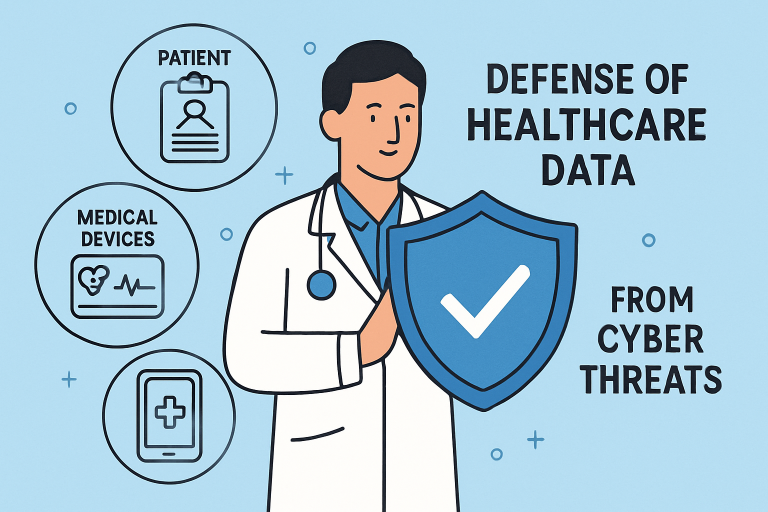
  • Beyond the Badge: What Makes a Cybersecurity Expert Truly ‘Certified’ in Healthcare?

    Beyond the Badge: What Makes a Cybersecurity Expert Truly ‘Certified’ in Healthcare?

    Introduction

    As healthcare organizations rapidly digitize patient records and integrate advanced technologies, the demand for robust cybersecurity has never been more essential. The proliferation of sensitive data through interconnected systems puts hospitals and clinics squarely in the sights of cybercriminals. Certifications—while critical—represent just the beginning of what makes a cybersecurity professional truly valuable in this fast-paced industry. To achieve real impact, certified healthcare cybersecurity experts must demonstrate holistic skills that go far beyond test scores and formal credentials.

    The healthcare sector’s unique digital environment requires more than rote technical knowledge. Experts in this field must navigate the delicate balance between data security and the uninterrupted delivery of patient care. Defining what it means to be a genuine leader in healthcare cybersecurity demands an exploration deep into competencies, mindsets, and values that empower these professionals to protect medical institutions at every level.

    Comprehensive Understanding of Healthcare Systems

    To effectively shield healthcare organizations from cyber threats, experts must deeply understand electronic health records (EHRs), networked medical devices, and clinical workflows. This insight ensures that security measures mesh seamlessly with the day-to-day realities of patient care. For example, deploying encryption in a way that doesn’t delay the retrieval of vital patient data during emergencies requires technical fluency woven with operational sensitivity.

    Healthcare settings are distinctive: they operate under urgent pressures, host a wide range of proprietary systems, and manage high-value data. Consequently, a cybersecurity professional should be well-versed in the regulatory environment, such as HIPAA, while also possessing a practical awareness of how technologies—from bedside devices to telemedicine systems—fit together. This holistic perspective empowers more proactive and efficient defense strategies.

    Proactive Threat Identification and Mitigation

    In 2022, healthcare entities faced an average of 1,410 attempted cyberattacks each week—a figure up 86% from the prior year, as highlighted by Healthcare IT News. Such relentless targeting necessitates a vigilant, forward-thinking mindset. Certified experts must excel in real-time threat monitoring, exploit mitigation, and advanced vulnerability assessments to reduce risk before incidents occur.

    The best in the profession not only implement contemporary defense tools but also foster a security-first culture by performing regular penetration testing and simulating real-world scenarios. Only by thinking like an attacker can defenders anticipate breaches and close gaps before malicious actors exploit them.

    Commitment to Continuous Education

    Cyber threats are as dynamic as the technologies they target. Malware morphs, phishing techniques evolve, and attackers adapt to new safeguards. This arms race means that professionals must continually expand their knowledge base, pursuing emerging certifications, participating in industry conferences, and collaborating with peers to keep ahead of the curve.

    True leaders in healthcare cyber defense cultivate a habit of relentless learning. By staying engaged with the latest industry developments, subscribing to authoritative journals, and contributing to online forums, these experts ensure their skill sets remain relevant, effective, and innovative.

    Strong Ethical Foundation

    Beyond purely technical performance, ethical stewardship is the bedrock of any reputable cybersecurity career. Patient trust hinges on the protection of private health data, and regulatory penalties for breaches can threaten an institution’s reputation and viability. Certified experts are committed to upholding privacy, confidentiality, and integrity, guided by both law and conscience.

    By adhering to explicit codes of conduct and refusing to cut ethical corners—even when under immense pressure—these professionals help foster an environment of accountability that permeates the entire organization.

    Effective Communication Skills

    Not every hospital stakeholder is fluent in cybersecurity concepts—or aware of subtle digital threats. High-performing professionals bridge those knowledge gaps: they translate technical jargon into plain language, conduct compelling awareness training, and ensure compliance measures are clearly understood and integrated.

    Effective communication also involves active listening to staff concerns and feedback, which can lead to discovering vulnerabilities or gaps in current protocols. This approach transforms cybersecurity from a siloed specialty into a shared enterprise responsibility throughout healthcare teams.

    Hands-On Experience

    Theoretical knowledge is only half the battle. Practical experience gained from responding to live attacks, running simulated breaches, and participating in real-world drills distinguishes the most competent experts from those who rely solely on classroom exposure.

    Continually engaging with live environments allows professionals to fine-tune incident response skills, streamline communication under pressure, and learn from unexpected threat behaviors. Firsthand experience is the best teacher in an industry where seconds count.

    Adaptability to Technological Advancements

    Healthcare technology is in constant flux—from the rise of digital therapeutics and remote monitoring to AI-powered diagnostics and blockchain data solutions. Advanced professionals aren’t just passive adopters; they actively assess the security implications of every new innovation, advocating for secure deployment while minimizing risk exposure.

    By maintaining flexibility and staying curious, skilled experts can swiftly respond when new threats emerge or unexpected vulnerabilities are uncovered in novel systems.

    Leadership and Advocacy

    Being a certified expert involves more than technical mastery; it means actively championing cybersecurity awareness throughout the organization. Strong leaders drive policy development, mentor junior colleagues, and advocate for budgetary resources dedicated to security initiatives. They set the tone for a resilient and informed workplace where every stakeholder understands their role in risk reduction.

    Consistent advocacy helps create an enduring culture of cybersecurity—ultimately making patient care safer and institutions more prepared for every eventuality.

  • Building a Stronger Community with the Right Tribal Case Management Software

    Building a Stronger Community with the Right Tribal Case Management Software

    Picture this: a caseworker juggling paper forms, old Excel sheets, and a filing cabinet that’s groaning under the weight of family histories. A grant report is due tomorrow, but half the data is in one system, the rest scattered across sticky notes and inboxes.

    Now imagine the people at the center of it—families who’ve told their story three times already because every department keeps records separately. Frustrating? Yes. Preventable? Absolutely.

    Here’s the truth: strong communities aren’t built on binders. They’re built on systems that actually work. And that’s where the right tribal case management software comes in.

    Why Generic Tools Don’t Cut It

    Let’s be blunt: off-the-shelf software wasn’t built for tribal communities.

    • Housing, health, education, family support—these programs are interconnected, but most platforms treat them like separate planets.

    • Reporting for funders? A nightmare of duplicate entry and clunky exports.

    • Customization? Forget it. One-size-fits-all rarely fits anyone well.

    It’s not just inconvenient. It gets in the way of care. When the tools don’t reflect the way tribes actually work, staff spend more time fighting the system than serving the community.

    What the Right Software Should Actually Do

    A good platform doesn’t just digitize paper. It amplifies impact. Period.

    – One Record, Many Services

    A single family file that covers housing, education, health, social services—so no one’s story gets chopped into pieces.

    – Culture at the Center

    Custom fields. Custom workflows. Terminology that reflects your traditions, not a corporate template.

    – Reports That Don’t Break Your Spirit

    Funders and councils want numbers. You want to keep your sanity. Automated dashboards mean you can deliver both—without the caffeine-fueled all-nighter.

    – Data That Belongs to You

    Tribal sovereignty matters. Sensitive records should stay secure, with role-based access and ownership resting where it belongs—with the community.

    Stop Drowning in Admin, Start Showing Up for People

    Ask any caseworker what drags them down. Spoiler: it’s not the families, it’s the forms.

    The right tribal case management software flips the equation. Less manual data entry. Fewer redundant notes. Reports generated in minutes, not days.

    And suddenly? Staff have more bandwidth for actual conversations. For building trust. For the human work that paper piles can never replace.

    Tech That Respects Tradition

    Here’s where it gets interesting: software doesn’t have to flatten culture. Done right, it can strengthen it.

    Imagine systems that:

    • Let you preserve culturally specific categories of data

    • Reflect tribal languages in forms and fields

    • Track outcomes in ways aligned with community priorities—not just outside funder metrics

    This isn’t about molding your services to fit technology. It’s about shaping technology to honor your services.

    Growth Without Growing Pains

    Communities don’t stand still. Programs expand. New funding arrives. Needs shift.

    If your tools can’t flex, you end up back at square one. The right platform grows with you:

    • Add programs without chaos

    • Onboard new users without headaches

    • Adjust workflows as requirements change

    Scalable systems mean stability—for staff and the people they serve.

    Final Word: Build Systems as Strong as Your Community

    Strong communities aren’t an accident. They’re built—deliberately, carefully, with tools that match the vision.

    The right tribal case management software doesn’t erase culture. It supports it. It doesn’t replace people. It empowers them. And it doesn’t just make your work easier—it makes your impact stronger.

    Because the heart of this work isn’t data points or dashboards. It’s people. And your people deserve tools that make room for connection, tradition, and care.

  • Why Adults Are Seeking Out Innovative Lifestyle Products?

    Why Adults Are Seeking Out Innovative Lifestyle Products?

    In the world of quick living, the behavior in modern society is one where adults have become increasingly purposeful in the products they introduce into their routines. Be it smart home appliances, wearables, environmentally friendly accessories, or health-related devices that discreetly enhance a person’s wellbeing, like Snus UK or high-tech type of vape technology, the latest trend is obvious: consumers of wholesale vape in our times want to have products that will make their lives easier with the least amount of effort.

    Lifestyle products have a meaning that extends far beyond fashion or luxury items. It now involves all those things that promote well-being, time-saving, or uplifting ordinary experiences. Happy buying is no longer a process of adults who are willing to become consumers, but they want to curate products that reflect their personal values, work patterns, and health intentions.

    There are a number of cultural and technological forces behind this change, such as the trend of remote work, environmental issues, and increasing focus on mental well-being. We can deconstruct here why these innovative lifestyle products are out of demand.

    A Lifestyle Built on Efficiency

    Time is now the most valued resource for many adults. With work, family, and personal commitments overlapping, people seek products that seamlessly integrate into their routines without adding complexity.

    Innovative lifestyle products often solve problems before we even notice them. Think of wireless charging stations built into furniture, air purifiers that sync with weather forecasts, or reusable smart water bottles that track hydration levels. The goal is efficiency without sacrificing quality.

    For example, nicotine pouches like Snus UK cater to users who want a discreet, smoke-free option. Similarly, wholesale vaping solutions allow retailers to offer a variety of sleek, user-friendly devices that appeal to people looking for a cleaner, more modern alternative to traditional smoking.

    The Rise of Discreet, Health-Conscious Alternatives

    Wellness does not just apply to gyms and green juices anymore; it is an aspect of any purchase. Consumers desire products that appeal to their health motives and at the same time do not need to stand out in their lifestyle.

    Noise-cancelling earbuds, ergonomic office chairs, and plant-based snacks are now household products common in many homes. This shift toward a less full-throated form of consumption is captured in the nicotine business, where low-impact, indiscernible forms like pouches or little vaping gadgets are gaining ground.

    Adults are engaging in deliberate replacements: sweetened beverages are giving way to flavored sparkling water, hybrid working situations are now being chosen to diminish stress levels, and products without hefty ceremony and preparation are considered.

    Technology Meets Everyday Wellness

    One of the biggest drivers of innovative product adoption is the integration of technology into everyday wellness. Many products now have a “smart” version, from fitness trackers that measure heart rate variability to sleep lamps that simulate natural sunrise patterns.

    These tech-forward solutions empower users with real-time data, helping them understand their bodies and habits more deeply. A simple morning routine can now include:

    • Checking your sleep quality on a wearable app
    • Using an essential oil diffuser set to turn on before you wake
    • Tracking hydration through a connected bottle
    • Taking a pouch of Snus UK during a work break as a discreet pick-me-up

    By weaving tech into daily habits, adults feel more in control and engaged with their wellness journeys.

    Sustainability as a Purchasing Priority

    Innovative lifestyle products are also an important trend due to the issue of sustainability. Millennials and Gen Z are also adults who will pay more money for purchases that align with the concepts of eco-friendliness.

    Used products, biodegradable packaging, and low-waste, promising designs are also significant sellers now. As an illustration, wholesale vape distributors gradually shift towards refillable vaporizers and more recyclable materials, which are attractive in terms of environmental friendliness to the user.

    Other consumer goods, including bamboo brushes, solar-powered chargers, are the same way. Consumers desire to spend on products that have a long-lasting life, minimize waste, and have a positive impact to the aspects of the planet.

    The Social Influence Factor

    Social media plays a massive role in how lifestyle products gain traction. Instagram, TikTok, and YouTube have become the new storefronts, where influencers and early adopters demonstrate how products fit seamlessly into their lives.

    Seeing someone use a standing desk while sipping an adaptogenic latte or unpacking a set of sleek wholesale vape devices can spark instant curiosity. Adults trust peer recommendations and real-world demonstrations more than traditional advertising.

    What’s more, the sense of belonging to a trend or community, whether it’s fitness, minimalism, or sustainable living, drives many to try products that align with their identity.

    The Blurring Line Between Luxury and Necessity

    One of the interesting aspects of this transition is that lifestyle products, which were once regarded as luxuries, but now they are regarded as necessities. For example:

    • Remote workers are also expected to have ergonomic office environments.
    • Air purifying devices in the home are popular among urban citizens.
    • People normally buy CBD-infused beverages as grocery items to relieve stress.

    Something as odd as products such as Snus UK or premium vape devices are even becoming more normalized as being a part of their self-care kit as opposed to being seen as indulgences. Adults are re-appraising the difference between what they need and what they just want, and, in many cases, innovative lifestyle products fall into both categories.

    Personalization and the Future of Lifestyle Products

    The future of lifestyle products lies in personalization. Adults are no longer satisfied with one-size-fits-all solutions; they expect products tailored to their preferences, body, and routines.

    Whether it’s a custom wellness supplement plan, a vape device in a specific flavor profile, or a subscription box that curates eco-friendly goods, personalization creates a stronger emotional connection between consumer and product.

    Wholesale distributors and niche brands alike are responding with modular, customizable options to meet this demand. The more a product feels “made for you,” the more likely it becomes a long-term habit.

    Closing Thoughts

    The demand for innovative lifestyle products reflects a deeper cultural shift. Adults today value products that are:

    • Efficient and easy to use
    • Discreet and health-conscious
    • Technologically advanced
    • Sustainable and ethical
    • Socially validated
    • Personalized to individual needs

    Whether that be upgrading home office equipment, selecting eco-friendly storage products, or buying wellness aids such as Snus UK or stylish items from wholesale vape channels, consumers are making conscious, informed decisions.

    In short, Innovation is not just about novelty; it is about making people’s lives better in a tenable, magnificent, and rewarding manner. For adults juggling hectic lives and shifting priorities, these products bring not just convenience but also a feeling of power and self-expression in a chaotic world.