Category: Health

  • WHO Issues Global Alert for Mpox Disease Outbreak in Africa

    WHO Issues Global Alert for Mpox Disease Outbreak in Africa

    On August 14, 2024, the WHO declared the upsurge of Mpox disease in Africa as a Public Health Emergency of International Concern (PHEIC). WHO Director-General Dr. Tedros Adhanom Ghebreyesus made this critical announcement. Notably, this marks the second time Mpox disease has received a PHEIC designation in just two years. The earlier outbreak, which occurred between July 2022 and May 2023, was also classified as a PHEIC. Let’s delve into the seriousness of the Mpox outbreak in Africa. Stick with us as we explore its implications for the continent, and discuss key details such as vaccination efforts and its international significance.

    Mpox Disease: the New Global Health Crisis

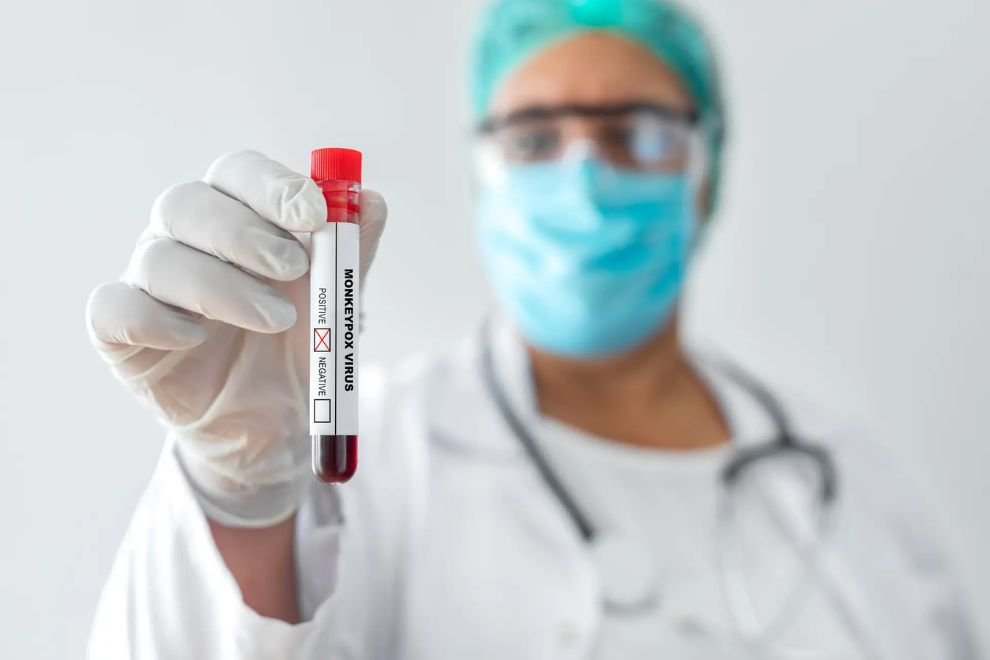
    Mpox disease, previously known as monkeypox, is a serious viral infection caused by the mpox virus (MPXV). Its common symptoms include fever, headache, muscle aches, and pox-like rashes. Although Mpox disease is generally self-limiting, it can tragically be fatal, especially for children and those with weakened immune systems. Since 1970, Mpox primarily affected people in Africa’s endemic regions until the alarming mpox outbreak in Africa in 2022.

    There are two types: Clade II, originating in West Africa, is less severe with a 1% fatality rate. In contrast, Clade I, from Central Africa, is far more severe with a 10% fatality rate. This is significantly higher compared to the Omicron variant’s 0.7% fatality rate. Currently, the Democratic Republic of the Congo is grappling with large and deadly epidemics of Clade I Mpox disease.

    The 2022 Mpox Outbreak: The Rapid Spread and Impact of Clade 2

    In 2022, the grave Mpox disease emerged as a public health emergency, driven by the milder Clade 2 type. This strain alarmingly spread to nearly 100 countries, including parts of Europe and Asia. The outbreak rapidly escalated, leading to over 87,000 cases and 140 tragic deaths, according to WHO. Although Mpox disease can affect anyone, the outbreak predominantly impacted men who engage in physical intimacy with other men. Fortunately, targeted vaccination of vulnerable groups brought this harrowing Mpox outbreak under control.

    Africa’s Dire Mpox Surge: The Rise of Clade 1

    However, now the deadly Clade 1 of Mpox disease, with a terrifying 10% fatality rate, is surging in Africa. A troubling mutation last September led to the rapid spread of Clade 1b, deemed the most dangerous variant yet.

    In 2023, the devastating Mpox outbreak in Africa resulted in 14,626 cases and 654 tragic deaths, with a 4.5% mortality rate, disproportionately affecting children. Most cases and deaths in the Democratic Republic of the Congo involve children, indicating severe non-sexual transmission through close contact. However, a disturbing outbreak in South Kivu revealed sexual transmission, suggesting complex epidemic patterns.

    By mid-2024, Mpox disease cases in the country had already surpassed all of 2023, with over 15,600 cases and 537 deaths. Unfortunately, testing capacity remains woefully low, and most cases are unconfirmed. Limited data from Kamituga reveals worrying mutations to Clade 1b, exacerbating the crisis.

    From African Borders to a Global Threat

    In the past month, the Mpox disease has alarmingly spread to neighboring countries of the Democratic Republic of the Congo. Which includes Rwanda and Burundi. And it has also reached other East African nations like Kenya and Uganda, which had never previously reported Mpox cases.

    In our interconnected world, the severe Mpox outbreak in Africa could spread to other continents, as seen in 2018. The alarming spread from Nigeria to the United Kingdom and beyond serves as a stark reminder. And the frightening reality is that travel-related cases between 2018 and 2019 might have fuelled the 2022 clade IIb epidemic.

    The Vaccine Crisis

    Since Mpox disease and smallpox viruses are related, smallpox vaccines offer crucial protection against Mpox. These vaccines also proved vital in controlling the 2022 clade IIb epidemic. However, most of the world remains vulnerable, lacking immunity to Mpox due to limited vaccination. The newer vaccine, known as Jynneos, Imvamune, or Imvanex, is effective but tragically scarce. The supply of this essential vaccine is particularly dire in the Democratic Republic of the Congo.

    Fortunately, WHO’s declaration of the Mpox outbreak in Africa as a public health emergency will urgently mobilize vaccines to where they are critically needed. The Africa Centres for Disease Control had already started negotiations for 200,000 vaccine doses, but this is only a fraction of what is desperately required to contain the outbreak.

    India’s Vulnerability: Examining Local Threat

    India also reported grievous Mpox disease cases during the 2022 global outbreak, involving the less deadly clade II type. Initially, infections were confined to travelers from Kerala. However, over time, cases emerged in Delhi among those without any international travel history. In total, India reported 27 laboratory-confirmed cases and one death.

    Meanwhile, IHR Emergency Committee Chair Professor Dimie Ogoina highlighted that the current mpox outbreak in Africa poses a global emergency. This situation, coupled with the spread of a new sexually transmissible strain, is a grave concern. He stressed the urgent need for decisive action to prevent a repeat of the devastating 2022 global outbreak.

    Addressing the Mpox Crisis: Global Awareness and Effective Action

    However, a more serious issue is that 20-30% of Mpox patients might also have chickenpox, making initial diagnoses challenging. So, clear communication and combating disinformation are vital. Additionally, spreading awareness about the Mpox disease globally is a critical priority. This urgent action is essential to ensure everyone is informed and prepared.

    A serious epidemic anywhere can quickly become a global concern, as we saw with COVID-19. Therefore, it’s crucial to control the outbreak at its source. And WHO’s declaration will help mobilize necessary resources. WHO will lead the global response to Mpox, ensuring fair access to prevention, diagnostics, and vaccines. However, countries must also follow International Health Regulations and carefully handle global emergency protocols. While we may not control an epidemic, we can manage a pandemic. With effective awareness and guidance from WHO, we can prevent a disease from escalating into a serious outbreak or even a global pandemic.

  • China’s Doctor Conducts Remote Lung Surgery from 5,000 km Away

    China’s Doctor Conducts Remote Lung Surgery from 5,000 km Away

    Just when you think medical science has reached its peak, it surprises us with another remarkable milestone. Imagine this: a Chinese doctor recently performed surgery remotely, all thanks to a surgical robot! So, stay with us as we dive into this exciting fusion of medical science and robotics.

    A recent video of an incredible surgery has been making waves on the internet, and it’s easy to see why! In this video, a surgeon in Shanghai, China, performed a remote lung surgery, a cancer operation on a patient 5,000 km away. This amazing procedure was made possible thanks to a cutting-edge 5G surgical robot, revolutionizing the field of medicine. So, now let’s dive into the details of the surgery and the surgical robot.

    Precision and Safety: Surgery Across 5,000 km

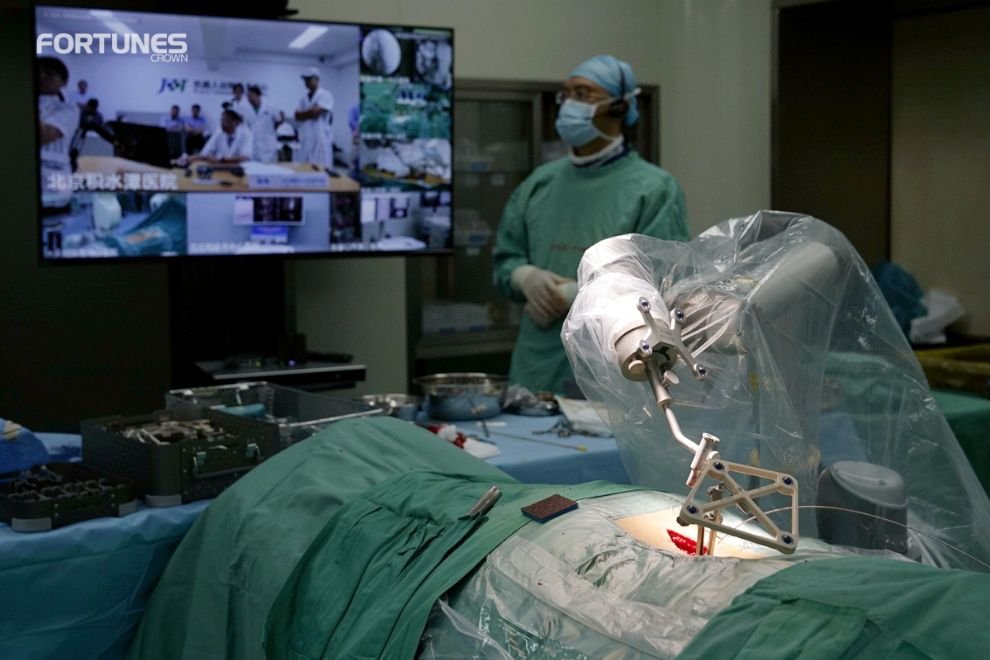
    So, here’s how it went down: The surgeon and his team at Shanghai Chest Hospital successfully removed a lung tumor. They used a domestically-made 5G surgical robot, showcasing the power of advanced technology in medical procedures. While the surgeon worked his magic from Shanghai, the patient and robot were stationed in Kashgar, Xinjiang Autonomous Region. This region is around 5,000 km away, making the surgery an incredible feat in remote medical care.

    At the console station, the surgeon has a 32-inch monitor with 3D vision, ensuring a clear and detailed view. The station also features a safety camera that detects the doctor’s presence, automatically pausing the surgery if needed. This 3D vision reduces mistakes and accidents, enhancing the precision of the procedure. The instruments used during surgery are impressively small, measuring just 8 mm in size.

    A backup surgeon was also stationed nearby, ready to step in if things went out of hand during the procedure. This mind-blowing surgery reportedly took place on July 13, marking a significant achievement in medical history.

    Doctor’s View On Transforming Patient Care

    Dr. Luo Qingquan from Shanghai Chest Hospital led the operation, highlighting its impact on patient care. He emphasized that this success shows how patients can now enjoy top-tier medical services in their hometowns. They no longer need to travel to big cities like Beijing or Shanghai for specialized medical care.

    To add even more to the story, a report from the Shanghai municipality revealed more details. The doctors at Shanghai Chest Hospital achieved this medical marvel after thorough clinical research and preparation. They used domestically-made surgical robots, further highlighting China’s growing expertise in medical technology.

    Dr. Luo Qingquan, the chief surgeon, led the charge with a few assistants by his side throughout the surgery. Moreover, Dr. Luo declared that this surgery marks a huge milestone in proving the clinical power of homegrown surgical robots. This breakthrough could make a world of difference for patients, especially those in remote and rural areas.

    India’s SSI Mantra: Local Robotic Revolution

    India has also entered the world of robotic surgery with its indigenous system, SSI Mantra, created by Dr. Sudhir Srivastava. The Indian surgical robot boasts a modular design with over five detachable arms, making it perfect for heart surgeries.

    While China’s recent surgery covered 5,000 km, India’s was closer, spanning 40 km between surgeon and patient. Dr. S.K. Rawal, medical director of Rajiv Gandhi Cancer Institute, operated from Gurgaon, and his patient was in Rohini, Delhi.

    This breakthrough highlights India’s growing expertise in the field of robotic surgery, bringing cutting-edge technology to medical care.

    Future of Surgery

    What makes this innovation exciting is doctors can perform surgery remotely, even if they’re miles away from the patient. If this tech becomes affordable, it’ll be a game-changer! Imagine accessing top healthcare without draining your savings. Even better, you wouldn’t need to move to another city, where living expenses add to healthcare costs.

    Netizens have mixed opinions about this surgical robot. Some call it a “medical miracle,” while others admire the “beautiful engineering.” There’s applause for China’s technological strides, but concerns arise about the unknowns in the human body.

    Anyhow, this is a fantastic leap in medical science! It showcases the power of AI and robotics in healthcare. If this tech lives up to the hype and works as promised, a surgical robot could become the century’s greatest

  • How Baby Carrots Boost Skin Health and Carotenoid Levels?

    How Baby Carrots Boost Skin Health and Carotenoid Levels?

    A groundbreaking study has discovered that consuming baby carrots as a snack three times a week can significantly increase skin carotenoids in young adults. These phytonutrients, enhanced further when combined with a multivitamin containing beta carotene, play a vital role in overall health.

    Carotenoids are the compounds responsible for giving many fruits and vegetables red, orange, and yellow pigments. When measured in the skin, carotenoid levels indicate how many fruits and vegetables an individual has been eating. High levels of skin carotenoids are associated with increased antioxidant protection and a lower risk of chronic diseases such as heart disease and certain cancers. Additionally, these markers reflect improved skin health and immune function.

    Insights from Previous Studies

    Previous studies have demonstrated that skin carotenoid levels can be increased by consuming three times the recommended serving of fruits and vegetables every day for three weeks,” said Mary Harper Simmons, a Master of Science in Nutrition student at Samford University. “Our findings suggest that a small, simple dietary modification — incorporating baby carrots as a snack — can significantly increase skin carotenoid accumulation.”

    Simmons presented the findings at the annual meeting of the American Society for Nutrition held from June 29 to July 2 in Chicago. The research highlights the potential of baby carrots to improve health markers significantly.

    Study Methodology

    For the study, researchers randomly assigned 60 young adults to one of four groups for a four-week intervention:

    • The control group received Granny Smith apple slices.
    • Another group received 100 grams of baby carrots (around 1/2 cup).
    • A third group received a multivitamin supplement containing beta carotene.
    • The final group received both baby carrots and the supplement.

    Before and after the intervention, researchers used a noninvasive research-grade spectroscopy instrument called a VeggieMeter to detect and quantify carotenoids in the participants’ skin. This method allowed for accurate measurement of changes in carotenoid levels.

    Key Findings

    The study found significant increases in skin carotenoid scores compared to baseline levels:

    • The group receiving baby carrots alone showed a 10.8% increase.
    • The group receiving both baby carrots and the supplement showed a 21.6% increase.
    • Skin carotenoid levels remained unchanged in the apple group and in those receiving just the multivitamin supplement.

    “We found that the combination of baby carrots and a multivitamin supplement that contains beta carotene can have an interactive effect on skin carotenoid accumulation,” said Simmons. “To get a beneficial effect, people should choose a multivitamin that contains beta carotene, and remember to eat baby carrots at least three times a week.”

    Absorption Differences

    The study also indicated that carotenoid accumulation was not increased by multivitamin supplementation alone, suggesting differences in how carotenoids are absorbed from food versus supplements.

    The researchers are also interested in investigating the mechanisms behind their findings, and they are working on other foods that are rich in carotenoids, such as sweet potatoes and green leafy vegetables. In addition, the research will help explain how health is affected by disparate sources of carotenoids.

    While preliminary and pending peer-reviewed publication, current findings are promising about how simple dietary changes can improve markers of health. Simply, what this means is that increasing the number of baby carrots in the diet, particularly in combination with a multivitamin containing beta carotene, can significantly elevate skin carotenoid levels, which may lead to an improvement in overall health.

    As one might know with any exploratory research, these findings should be treated cautiously until studies are reproduced. However, taken together, they show the potential benefits of a diet rich in colorful fruits and vegetables, highlighting one of the easiest ways to optimize health through nutrition.

  • Pomegranate Compound Shows Promise in Treating Alzheimer’s

    Pomegranate Compound Shows Promise in Treating Alzheimer’s

    A new study’s result has been released which talks about a natural remedy to Alzheimer’s disease and has caused a noteworthy impact. This naturally occurring substance present in pomegranates can improve memory and aid in treating Alzheimer’s disease.

    Understanding Alzheimer’s Disease

    Alzheimer’s disease is a progressive neurodegenerative disorder that fundamentally affects memory. It is the most common cause of dementia in old age.

    The disease essentially leads to the death of brain cells which in due course leads to a decline In cognitive function.

    The Key symptoms of Alzheimer’s include memory loss, difficulty with language, disorientation, mood swings, changes in behavior Etcetera. As the disease reaches its final stages, it might even be difficult for the patients to continue day-to-day activities without the help of full-time caretakers 

    The exact cause of Alzheimer’s is not fully comprehended by the researchers, but it is believed that it could be a combination of genetic, environmental, and lifestyle factors. 

    There is no cure for Alzheimer’s, but treatments can manage symptoms and improve patients’ quality of life. Research is ongoing to find more effective treatments and ultimately a cure.

    Urolithin A: The Key Compound in Pomegranates

    Alzheimer’s disease is characterized by symptoms such as forgetfulness, difficulty finding words, and confusion about time and place, and affects millions worldwide. Researchers at the University of Copenhagen have discovered that pomegranates might hold a key to palliating these symptoms.

    The study conducted on mice with Alzheimer’s disease revealed that urolithin A can alleviate memory problems and other problems caused by dementia. This compound is largely found in pomegranates 

    “This is encouraging news for dementia patients, a condition notoriously difficult to treat,” said Vilhelm Bohr, an Affiliate Professor at the University’s Department of Cellular and Molecular Medicine. “While the study was performed on mice, the findings are promising and suggest potential benefits for humans.”

    Currently, the team is planning clinical trials on humans to further investigate these effects.

    Potential Preventative Benefits of Urolithin A in Alzheimer’s Treatment

    Previously, the researchers identified a molecule, nicotinamide riboside (a form of NAD supplement), as crucial in combating neurodegenerative diseases like Alzheimer’s and Parkinson’s. This molecule aids in the removal of damaged mitochondria from the brain, a process essential for maintaining brain health.

    Mitochondrial dysfunction, or mitophagy, is a common issue in neurodegenerative diseases,” Bohr explained. “This means the brain struggles to eliminate weak mitochondria, which then accumulate and impair brain function. Stimulating mitophagy to clear out these damaged mitochondria can yield significant positive outcomes.”

    The new study shows that urolithin A is just as effective as NAD supplements in clearing out weak mitochondria from the brain. Nicotinamide adenine dinucleotide (NAD) is a coenzyme vital for metabolism.

    However, the researchers have yet to determine the precise amount of urolithin A required to improve memory and alleviate symptoms in humans.

    We cannot yet specify the dosage needed, but it’s likely more than consuming a single pomegranate daily,” Bohr noted.

    He also expressed hope that urolithin A could be used preventatively without significant side effects.

    Thus far, NAD supplementation has shown no serious side effects. Our understanding of urolithin A is more limited, but clinical trials have shown it to be effective in treating muscular diseases,” Bohr added.

    This great breakthrough in science will help several families to help their loved ones. We hope the clinical trials will be successful so that the help required is provided.

    As we all are advised, prevention is always better than cure. The impacts of unhealthy habits might not directly affect the prime ages. But as we get older, the effects of unhealthy eating and smoking could eventually be the cause of a disease like Alzheimer’s. It is important to keep our bodies physically fit and take care of them by engaging in yoga and other activities.

  • Breakthrough for Paralyzed Man, Spinal Cord Implants Restore Mobility

    Breakthrough for Paralyzed Man, Spinal Cord Implants Restore Mobility

    It has always been a serious issue when there is a notable injury to the spinal cord. The spinal cord needs to be intact for the body to control movements. Until now, no such solutions have been found for the unfortunate injuries that happen to the spinal cord.

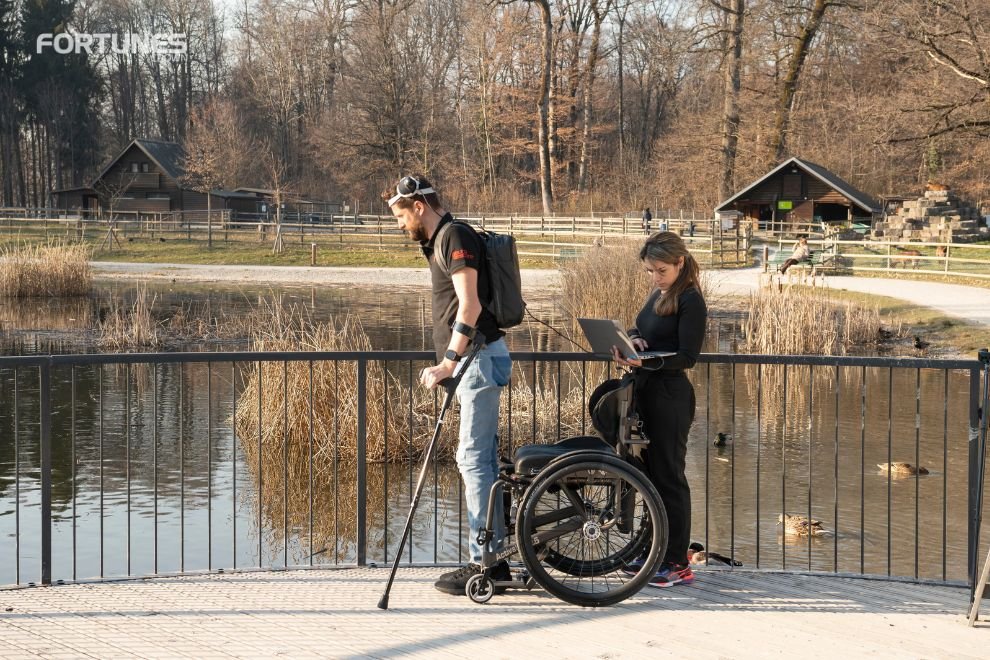
    Because of the new discovery, a man who was paralysed from 2011, has now been able to walk. This incredible feat was achieved with implants in his brain and spinal cord.

    The Patient’s Journey

    Gert-Jan Oskam, a 40-year-old from the Netherlands, had an unfortunate accident that changed his course of life. The accident severely damaged his spinal cord, leaving him paralyzed. Doctors also held no hope and told him the unfortunate news, that he’ll never be able to walk again.

    Until the discovery that could change his life for the better, researchers used implants that were situated at the spinal cord to help Oskam. The implants work on capturing his thoughts and implement them into spinal cord stimulation to establish connectivity. This re-stimulates voluntary movement.

    Achieving Natural Control

    The technology essentially allows him to have natural control over his leg movements. He can now stand, walk, climb stairs, and even traverse complex terrain. It can also be noted that He can walk more than 330 feet at once and stand for several minutes without support.

    He expresses his gratitude and a life-changing moment. “A few months ago, I stood up and had a beer with my friends. That was pretty cool,” he says. When one has lost all hope, this sure was a light in the darkness that made him look forward to the next day.

    Previous Research and New Techniques

    Researchers previously combined electrical stimulation and physical therapy to help paralyzed people walk. Oskam participated in this research but stopped progressing after three years.

    How the Implants Work

    The new technique involves two brain implants. These implants read his brain signals when he wants to move. The signals are sent to sensors on a helmet-like device on his head. A computer predicts his intended movements and converts them into commands. These commands are sent to another implant in the spinal cord. The spinal implant stimulates his muscles according to his intended movement.

    The Digital Bridge

    This “digital bridge” reopens communication between Oskam’s brain and spinal cord. He completed 40 sessions of neurorehabilitation with this technology. After a few weeks, he could stand and walk using a walker.

    Smoother Movements and Regained Control

    The earlier technology led to robotic movements. The new device allows smoother motions. Oskam has also regained some control over his legs even without the device. Researchers suggest the brain-spinal cord connection helped regenerate spinal nerves.

    Future Prospects and Challenges

    Technology still has a long way to go before it is available to the public. One risk is that the implants require invasive surgery. Researchers aim to make the device’s hardware more compact. They hope the technology can help people regain other movements and bodily functions.

    Harvey Sihota, CEO of Spinal Research, finds the results very encouraging. The devices are still experimental, but the progress offers hope for the future.

    Gert-Jan Oskam’s story is a testament to the power of innovative technology. With brain and spinal implants, he has achieved what was once deemed impossible. This breakthrough not only transforms his life but also offers hope to others with similar conditions. As research continues, the potential for restoring mobility and other functions looks promising.

  • Japan’s Electric Salt Spoon Enhances Flavor, Reduces Sodium

    Japan’s Electric Salt Spoon Enhances Flavor, Reduces Sodium

    In recent years, the quest for healthier lifestyles has seen a surge in interest, driven by increasing stress and exhaustion in daily life. With this shift, many have turned to advanced technologies to enhance their well-being. One such innovative product is a unique spoon from Japan, designed to promote better eating habits by enhancing the taste of food without adding extra sodium.

    The Birth of the Electric Salt Spoon

    The electric salt spoon, developed by Kirin Holdings, a Japanese drinks giant, claims to enhance salty tastes without additional salt. This invention aims to help people reduce their sodium intake while still enjoying flavorful meals. The spoon’s technology has even won the 2023 Ig Nobel Prize, an award that celebrates unusual and creative research.

    Kirin Holdings officially launched the electric salt spoon on May 20, 2024. Priced at 19,800 yen (approximately ₹ 10,536), the product’s initial run includes 200 units available for sale this month. The company plans to release the spoon in select Japanese retail stores in June, with announcements made on the official Electric Salt online store.

    Technology Behind the Spoon

    The electric salt spoon uses a weak electric current passed from the spoon’s tip to the food, enhancing salty and umami flavors. Weighing just 60 grams, it operates on a rechargeable lithium battery. This innovative technology allows users to enjoy enhanced flavors without the health risks associated with high sodium intake.

    Kirin Holdings has refined the technology to make the spoon easy to use and durable, making it a perfect addition to daily dining setups. Users simply need to turn on the power switch, select the desired intensity, and use the spoon as they would any regular utensil. The spoon is suitable for a variety of foods, including soups, curries, rice, and noodles.

    it could revolutionize how people manage their sodium intake. High sodium consumption is linked to numerous health issues, including hypertension and heart disease. By enhancing the taste of food without added salt, this spoon offers a way to enjoy flavorful meals while maintaining a healthier diet.

    User Experience

    Initial reviews from users have been positive, highlighting the spoon’s ability to enhance food flavors effectively. Many appreciate the convenience of the spoon and its potential health benefits. The spoon’s rechargeable battery and lightweight design add to its appeal, making it a practical tool for everyday use.

    Practical Tips for Using the Electric Salt Spoon

    Start with Familiar Dishes: Begin by using the spoon with dishes you regularly consume to notice the difference in flavor enhancement.

    Adjust Intensity Gradually: Experiment with the spoon’s intensity settings to find the level that best suits your taste preferences.

    Pair with Low-Sodium Foods: Use the spoon with low-sodium versions of your favorite foods to maximize its benefits.

    Regular Maintenance: Ensure the spoon is clean and the battery is charged for optimal performance.

    Share with Family: Introduce the spoon to family members to collectively reduce sodium intake and enjoy healthier meals together.

    The electric salt spoon is more than just a utensil; it’s a step towards healthier living. By integrating this innovative technology into daily life, individuals can make meaningful changes to their diet without sacrificing flavor. As this product gains popularity, it may inspire further advancements in health-focused culinary tools, ultimately contributing to a healthier society.

    Future Prospects

    The success of the electric salt spoon could pave the way for more innovations in the field of health-conscious dining tools. As technology continues to advance, we may see more products designed to enhance flavor without compromising health. Kirin Holdings’ electric salt spoon is just the beginning of a new era in culinary technology.

    The electric salt spoon represents a significant step forward in the quest for healthier eating habits. By leveraging advanced technology, Kirin Holdings has created a product that enhances food flavor without adding extra sodium. This innovation not only supports better health but also aligns with the growing trend of integrating technology into daily life. As more people adopt such tools, we can look forward to a future where healthier eating is both enjoyable and accessible.

  • Is Oral Sunscreen The New Frontier In Skin Protection?

    Is Oral Sunscreen The New Frontier In Skin Protection?

    In the realm of skincare, sunscreen application is hailed as a non-negotiable step for maintaining healthy and radiant skin. However, recent trends suggest a new candidate in sun protection: oral sunscreen supplements. These supplements are formulated with a blend of vitamins, minerals, and antioxidants, promising to enhance the skin’s resilience against sun damage from within. 

    Does that mean saying goodbye to good old sunscreens that we have to reapply every 3-4 hours? For some, this could also be a boon because of how inconvenient it is to reapply sunscreen all the time. Let’s delve into understanding this concept more.

    Understanding Oral Sunscreen

    Dr. Geetika Srivastava, a renowned dermatologist, describes oral sunscreens as dietary supplements enriched with potent antioxidants like vitamins C, E, and K. These supplements are designed to bolster the body’s natural defense mechanisms against harmful UV radiation, combating oxidative stress at a cellular level.

    Composition and Benefits

    Oral sunscreens primarily feature ingredients such as polypodium leukatomos, a natural extract known for its antioxidant and anti-inflammatory properties. Mumbai-based cosmetologist Dr. Priti Mahire highlights additional components like Vitamin C, Vitamin E, beta-carotene, lycopene, and green tea extracts. Each ingredient plays a crucial role in neutralizing free radicals and supporting skin health beyond mere sun protection.

    Effectiveness and Limitations

    While they offer enticing skincare benefits, experts caution against viewing them as standalone sun protection solutions. Dr. Geetika Srivastava emphasizes that these supplements are most effective when used in conjunction with traditional topical sunscreens. They contribute to antioxidant protection, minimize premature aging, and support overall skin health by promoting collagen production and cell function.

    Safety and Clinical Considerations

    Despite their potential benefits, concerns persist regarding the efficacy and safety data of oral sunscreens. Dr. Pallavi Singh points out that while these supplements show promise, their efficacy remains under scrutiny without standardized clinical trials. The US FDA has also issued warnings against relying solely on dietary supplements for sun protection, reinforcing the importance of topical application.

    Natural Alternatives and Dietary Support

    For those wary of oral supplements, a diet rich in antioxidants from natural sources can provide supplementary sun protection. Foods like tomatoes (rich in lycopene), carrots, sweet potatoes, and green leafy vegetables offer a natural defense against UV damage. Dr. Agni Kumar Bose recommends incorporating these foods into daily meals to bolster skin resilience naturally.

    Practical Recommendations

    Experts recommend integrating oral sunscreens into specific routines, such as before extended sun exposure or for individuals at higher risk of UV damage. However, consistent application of traditional SPF-rated sunscreens remains paramount for comprehensive sun protection. Dr. Geetika advises combining oral antioxidants with topical sunscreens for a synergistic approach to safeguarding against UV-induced skin damage.

    In conclusion, while oral supplements present a promising avenue for enhancing sun protection from within, they should complement rather than replace traditional topical sunscreens. As research and clinical trials continue to refine their efficacy and safety profiles, integrating these supplements into a holistic skincare regimen can offer added benefits. For now, maintaining diligent sunscreen application practices remains the gold standard for protecting skin health against the sun’s harmful rays.

  • Instagram Asserts That An Electric Shock To Your Face Can Effectively Treat Acne

    Instagram Asserts That An Electric Shock To Your Face Can Effectively Treat Acne

    In today’s digital age, new beauty trends are frequently surfacing across various platforms. As a result, people are easily impacted by the latest skincare trends. This influence has reached a point where some feel pushed to adopt extensive routines, such as a 10-step facial care regimen, to meet the ever-evolving beauty standards.

    The Pressure of Perfect Skin

    The pressure to achieve perfect, radiant skin is immense. Social media platforms are inundated with images of flawless complexions, often promoting intricate skincare routines and products. Influencers and celebrities showcase their beauty secrets, leading followers to believe that they too must adopt these methods to achieve similar results. This widespread sharing of beauty tips and routines creates a culture where the pursuit of clear skin becomes an elaborate and sometimes overwhelming process.

    While these measures might seem excessive, they are just a fraction of the lengths some individuals are willing to go to attain that coveted radiant, flawless complexion. One of the most persistent adversaries in the quest for clear skin is acne and its lingering marks. Many people are inclined to try anything to eradicate them, including extreme measures.

    The Rise of High-Frequency Acne Treatment

    While the idea of applying an electric shock to your face may seem daunting, high-frequency acne treatment is one of the most controversial beauty trends gaining traction. This method involves using a device that emits high-frequency electrical currents to treat acne.

    Often referred to as “the magic wand,” this device promises quick and effective results, making it highly attractive to those struggling with persistent acne. Despite its seemingly intense approach, many are drawn to its potential for delivering rapid improvements in skin clarity and texture.

    Social Media Influence

    Social media has exerted a profound influence in promoting this trend. Influencers and their followers alike are fascinated by the purported efficacy of this device. Allison Hoeller, a prominent Instagram influencer, notably shared a video demonstrating the device’s application to ‘electrocute’ a pimple. In her post, she asserted that using the device could miraculously eliminate pimples overnight, promising clear and flawless skin by morning. The video quickly gained viral status, garnering over 2 million views and sparking lively discussions with more than 800 comments from intrigued viewers and skincare enthusiasts alike.

    Public Reception

    Allison Hoeller’s viral video unleashed a flood of similar content across various social media platforms. In response to her demonstration, numerous women flooded the comment sections with enthusiastic accounts of their own successes and glowing testimonials about the device. This unconventional approach to acne treatment, utilizing high-frequency shock therapy, quickly gained traction within beauty communities worldwide. What started as a trend predominantly in Western markets has rapidly proliferated globally, buoyed by the increasing availability of similar products through online platforms. Despite their popularity, these devices often come with a substantial price tag, with some models fetching prices as high as Rs 30,000. This pricing reflects both the burgeoning consumer demand for innovative skincare solutions and the perceived effectiveness of these devices in addressing persistent acne issues.

    How It Works

    If you’re curious about the mechanics of this device, you’re in good company. Dr. Rupika Singh, a respected dermatologist and founder of Akiya Aesthetics in Delhi, elaborates on high-frequency treatment, noting its use of targeted thermal energy. This technology is adept at addressing a spectrum of skin concerns including acne, fine lines, wrinkles, cellulite, and under-eye circles by delivering precise thermal energy to targeted areas.

    Meanwhile, Dr. Rinky Kapoor, a consultant dermatologist and dermasurgeon at The Esthetic Clinics in Mumbai, underscores another facet of these devices: their utilization of high-frequency electrical currents. These currents are designed to combat bacteria and inflammation effectively, thereby aiding in the management and potential prevention of acne. This dual approach highlights the versatility and effectiveness of high-frequency treatments in modern skincare practices, appealing to those seeking comprehensive solutions for various dermatological issues.

    Claims of the Device

    This ‘magical device’ claims to be painless and asserts that it kills acne-causing bacteria by disrupting their cell membranes with electrical impulses. It also claims to reduce inflammation by improving blood circulation and lymphatic drainage, thus decreasing swelling and redness associated with acne. Additionally, it promises to heal acne by stimulating cellular activity and promoting collagen production, rejuvenating the skin.

    The impact of beauty trends in today’s digital age cannot be overstated. The relentless pursuit of flawless skin has driven countless individuals to embrace elaborate and occasionally extreme skincare regimens. Among these trends, high-frequency acne treatment stands out, promising rapid improvements but prompting concerns about its safety and effectiveness. Like any cosmetic procedure, it is imperative to approach such innovations cautiously and seek professional guidance from dermatologists before experimenting with novel and potentially intensive methods.

    Nevertheless, attaining comfort in one’s own skin remains paramount. Confidence plays a pivotal role in personal success and well-being. In contemporary society, beauty has evolved into a powerful tool for bolstering self-assurance, with individuals pursuing diverse paths to achieve their desired level of confidence. Ultimately, personal preferences and choices in skincare should be respected, recognizing that beauty routines are deeply intertwined with individual identity and empowerment.

  • Aaron James: World’s First Successful Whole Eye Partial Face Transplant

    Aaron James: World’s First Successful Whole Eye Partial Face Transplant

    Aaron James was the recipient of the first successful whole-eye transplant in history, carried out by a medical team at NYU Langone Health in New York. Aaron received a partial face transplant and a new window into his soul following a work-related accident that resulted in the loss of his left eye and a portion of his face.

    Meagan, his wife first noticed the puffiness following surgery and the brown color of her husband’s new eye when she looked into it. Aaron’s eyes are a natural ocean blue color. She also saw his new cheek, lips, and nose, where a little stubble of beard had already begun to sprout. The emotion started when she noticed a grateful expression on someone’s face.

    “It was a crazy, great, weird, strange, ecstatic, happy feeling,” Meagan said. “I was just happy he made it through, and everything was good in the moment.”

    Aaron’s transplant operation was conducted on that day in late May by a team of over 140 surgeons from NYU Langone Health. The process took roughly 21 hours to complete. During the procedure, a single donor’s whole left eye as well as several facial tissues were transplanted. It was a first in medicine.

    First Whole Eye and Partial Face Transplant

    As a high-voltage power lineman, Aaron, a 46-year-old veteran of the military stationed in Arkansas, was working with colleagues in Mississippi that June 2021 when he unintentionally touched a live wire with his face.

    Aaron suffered severe facial injuries from the lethal 7,200-volt electric shock, including injuries to his left eye, lips, cheek, chin, and arm.

    Meagan’s phone rang while she and their high school daughter, Allie, were heading home from the grocery store back in Arkansas. Even though she didn’t recognize the number, she answered. The words “Aaron,” “accident,” and “serious” reached her ears.

    “I could see his eye socket and everything. I was seeing his skull, and I think that’s the part that was kind of freaky for me. I was like ‘Oh, my goodness, his face is gone,’” she said. “Most of my worries was just how he was going to be when he was awake and aware.”

    Discussions And Transplants

    Conversations on the potential for a transplant persisted even after Aaron’s Texas medical team removed his left eye because of excruciating pain. In anticipation of a potential eye transplant, Rodriguez and his colleagues in New York requested that the Texas team save as much of the optic nerve as possible.

    Rodriguez cautioned Aaron that the donor eye might not be able to restore vision as they discussed the prospect of performing a whole-eye transplant rather than just a partial face transplant. The transplanted eye and the brain will need to communicate in order for there to be sight.

    Aaron’s medical team reports that there are now “remarkable” signs of health in his eye. Despite not being able to see out of his eye, he is optimistic that vision will eventually return and that his groundbreaking operation will progress the field of transplant medicine.

  • New Study Hints an Implant as a Solution for Parkinson’s

    New Study Hints an Implant as a Solution for Parkinson’s

    Parkinson’s is a neurological disease that causes the nervous system to deteriorate. Approximately 90% of people with severe Parkinson’s disease have “locomotor deficits,” which affect their freedom of movement when walking. Although Parkinson’s disease currently has no known cure, it is becoming more and more manageable.

    The epidural implant, created by NeuroRestore, University Hospital Lausanne, and the Swiss Federal Institute of Technology, rests on the lower spinal cord and uses the brain to transmit signals to the legs.

    According to the study, the implant’s stimulation of those nerves helps to “alleviate asymmetry and promote longer steps, improve balance, and reduce freezing of gait,” which facilitates more comfortable movement of the leg muscles.  

    A Real Story

    Marc Gauthier now won’t have to freeze in place or tense up when he steps into an elevator. He can wander along the lake for three miles without stopping. He has no trouble getting out of a chair. Until recently, these routine tasks presented a difficulty for Gauthier, 63, who has had Parkinson’s disease for nearly thirty years.”

    To treat gait abnormalities in Parkinson’s disease patients, Gauthier underwent surgery to install an experimental spinal cord neuroprosthesis. He claimed that it has gradually helped him regain his gait.

    “Walking in a store would be really difficult, impossible before, because of the freezing of gait that would often happen in those environments. And now, it just doesn’t happen anymore. I don’t have freezing anymore,” Gauthier, who lives near Bordeaux, France, said in a news briefing, speaking in French that was translated to English.

    Nature Medicine Journal

    The research, which was published on Monday in the Nature Medicine Journal, describes in detail how the neuroprosthesis functions by applying electrical stimulation to particular spinal cord regions linked to walking.

    “The neuroprosthetic approach that we have developed here allows for the first time to target and address these problems individually in a highly specific manner for each patient,” Moraud said. “It operates in real time, and importantly, it is complementary to other existing therapies.”

    Parts of the brain degrade with Parkinson’s disease, a degenerative brain disorder. Walking-related symptoms arise from damage or death of nerve cells in the basal ganglia region of the brain, which regulates movement. The lack of dopamine that results from the death or impairment of these nerve cells frequently affects a person’s ability to move, walk, or balance. These nerve cells ordinarily generate dopamine. Deficits in locomotion are experienced by about 90% of patients. Although there isn’t a cure for Parkinson’s disease at this time, some treatments, such deep brain stimulation or drugs to raise dopamine levels, may help with symptoms.