Category: Health

  • US “Blood” Crisis? Red Cross Declares Blood Shortage

    US “Blood” Crisis? Red Cross Declares Blood Shortage

    The American Red Cross is pushing high schools to reinstate blood drives after announcing a national blood shortage and that the country’s blood supply has reached “critically low levels.”

    According to the organization, which supplies 40% of the blood and blood components in the country, more blood products are being distributed to hospitals than are being donated. According to the report, donations have decreased by over 25% since the beginning of August.

    “back-to-back months of worsening climate-driven disasters,”

    A busy travel season and “back-to-back months of worsening climate-driven disasters,” which led to the suspension of several blood drives, were cited by the Red Cross as contributing factors.

    According to April Phillips, a representative for the American Red Cross, “typically, during the summertime and around the winter holidays—and just after the holidays—most blood collectors see a dip in blood donations.”

    The fact that fewer blood drives are being held at educational institutions like high schools and colleges, according to Phillips, is a significant contributing cause to the shortfall even if this midyear drop in donations is not unexpected.

    Blood Drives

    According to data gathered by America’s Blood Centers, more than 4 million people in the United States got red blood cell transfusions in 2019. Blood transfusions are performed daily in maternity, pediatric, and trauma care, therefore the requirement is ongoing.

    Red blood cells only last for 42 days, therefore a week’s worth of donated blood is optimal. Throughout the pandemic, the majority of banks have managed with a three- to five-day supply.

    According to Phillips, before to the Covid-19 outbreak, school blood drives contributed to around 25% of the Red Cross’s donations.

    Red Cross Blood Shortage

    In 2020, the American Red Cross, the US is experiencing its worst blood shortage in more than ten years as a result of a decline in blood drives brought on by the pandemic.

    The group pushed people to donate blood after claiming that the “national blood crisis” was endangering patient care and causing doctors to make difficult decisions about who can receive blood transfusions.

    Recent shortages of vital blood types forced the Red Cross, which supplies 40% of the country’s blood, to restrict the provision of blood products to hospitals. According to the article, up to 25% of hospital blood needs are occasionally not satisfied.

  • Long COVID: Scientists Inch Closer To Test And Treatments

    Long COVID: Scientists Inch Closer To Test And Treatments

    Patients who have had difficulty recovering after COVID-19 frequently discover that doctors regard them like medical mystics. Routine testing frequently shows nothing abnormal, leading doctors to incorrectly conclude that Long COVID may be a type of depression or anxiety or that it is simply all in the patient’s brain.

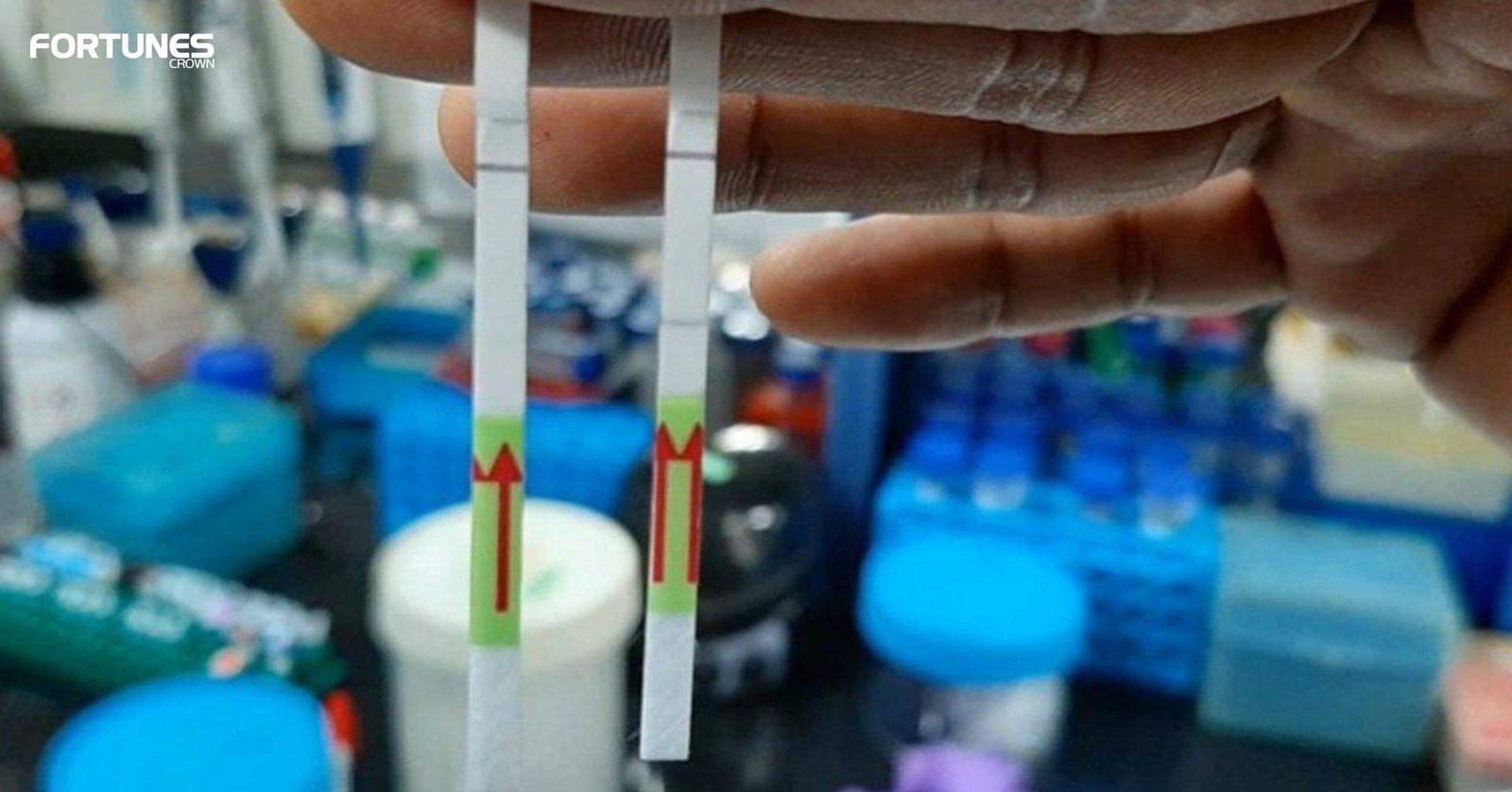
    Now, two small but incredibly thorough studies are shedding light on the biology underlying long-term COVID and, if replicated, could point to potential biomarkers for the chronic condition, which, according to the most recent statistics from the US Centers for Disease Control and Prevention, affects an estimated 6% of all American adults, or more than 15 million people.

    “This is some validation for the community that this isn’t just a bunch of people who are complaining a lot. There are biological differences between people who have persistent fatigue, cognitive issues, and POTS, and I think that is important,” said Dr. Daniel Griffin, an infectious disease expert at Columbia University who treats patients with long Covid but was not involved in the new studies.

    Testing Blood Samples

    The first study, conducted by Yale and Mount Sinai researchers and published in Nature, compared blood samples from 273 individuals who were divided into three main groups: those who met strict criteria for a diagnosis of long Covid, those who had Covid-19 but recovered completely, and individuals with no signs of infection.

    People who participated in the study and tested positive for COVID-19, according to the researchers, had typically mild initial illnesses, and blood samples were typically taken more than a year after they became ill. Participants in the study also provided thorough responses to questions regarding their symptoms. Fatigue, brain fog, memory loss, and postural orthostatic tachycardia syndrome were the three most frequent complaints among participants in the long Covid group.

    They adopted an exploratory strategy, which meant they examined a wide range of variables across the patient groups, including hormones, immunological activity, and other infections, rather than conducting specific tests. To organize the enormous volumes of data they produced, they used a form of artificial intelligence.

    Further Questions on Long COVID

    Immune dysregulation was also present in the extended Covid group. In deep immunological profiling, those with long COVID had reduced amounts of conventional type 1 dendritic cells and larger levels of non-conventional monocytes, which are immune cells. Many additional differences were discovered throughout testing, which further suggested an immunological imbalance.

    Additionally, the long Covid group exhibited immunological alterations that could have been caused by viruses like the Epstein-Barr virus, which causes mononucleosis and is well recognized for its crippling lethargy, reawakening in their bodies. Up to 95% of adults are carriers of the latent Epstein-Barr virus.

    “When you have low levels of cortisol, you will get tiredness, nausea, vomiting, weight loss, weakness, and pain,” said senior study author Dr. Akiko Iwasaki, an immunobiologist at Yale School of Medicine, “noting that those are some of the same features of long Covid. “So lower levels of cortisol could be contributing to the symptoms.”

  • FDA For The Baby Blues: First Pill for Postpartum Depression

    FDA For The Baby Blues: First Pill for Postpartum Depression

    The first postpartum depression medication was approved by the Food and Drug Administration on Friday. This significant development is thought to have the potential to improve postpartum depression therapy and detection.

    According to evidence from clinical trials, the medication works far more quickly than traditional antidepressants, which typically take two weeks or longer to take action. It can start to lessen depression in as little as three days. According to experts in maternal mental health, this may persuade more patients to seek treatment because it lasts only two weeks rather than months.

    The Approval

    The fact that the medicine is specifically approved for postpartum depression may be more important than any of the drug’s other qualities. The existence of an antidepressant that has been specifically demonstrated to treat postpartum depression, according to a number of medical professionals and other experts, may help lessen the stigma associated with the condition by highlighting the fact that it has biological roots and is not something women should blame themselves for.

    More obstetricians and family doctors will be prompted to screen for symptoms and recommend counseling or therapy in the hopes that it will motivate more women to seek care.

    “This is a patient population that just so often falls through the cracks,” said Dr. Ruta Nonacs, a psychiatrist with the Center for Women’s Mental Health at Massachusetts General Hospital. “When women are told, ‘You have postpartum depression,’ it’s embarrassing, it is demeaning, it makes them feel like a bad mom.”

    The Pill

    The truth is that our healthcare system is not designed to support new mothers, which means that for some parents, the time following childbirth may be among the most challenging times of their lives. In order to prepare for delivery, expectant moms are seen at least once a month and perhaps even more frequently. The suggested meeting with a doctor, however, isn’t until six weeks after the kid is born.

    The Massachusetts-based Sage Therapeutics firm created the zuranolone tablet, which will be sold under the trade name Zurzuvae. Sage Therapeutics collaborates with Biogen to make Zurzuvae. After the Drug Enforcement Administration completes a 90-day review necessary for medications affecting the central nervous system, Sage said, it is anticipated to be made available. The cost of the pill has not yet been disclosed by the firms.

    Postpartum Depression in the US

    In the United States, depression affects 10 to 15 percent of new mothers during their pregnancies or the first year after giving birth. Intense anxiety, guilt, embarrassment, trouble sleeping, panic attacks, and suicide thoughts or attempts can all be symptoms of the illness. Additionally, it may be challenging for moms to give their children the attention, bonding, and caring that are essential for a child’s healthy growth.

    For some parents, those six weeks can seem like an eternity. One in seven women are thought to have postpartum depression, despite the fact that 70% of women may experience the “baby blues,” a brief period of feeling more depressed or worried than usual. Sadly, up to 50% of postpartum depressed women go untreated.

  • Thousands of Penguins Die Due To Ice Break Up in Summer

    Thousands of Penguins Die Due To Ice Break Up in Summer

    Around 10,000 young birds are said to have perished in the Antarctic due to a catastrophic die-off of emperor penguin chicks. By this point, it is December, and Antarctica is entering its summer season. The season’s ice soon breaks up, allowing the colony’s newest members to accompany the adults into the ocean in safety to hunt.

    Before the chicks could grow the water-resistant feathers required to swim in the ocean, the sea-ice beneath them melted and disintegrated. The birds most likely perished by freezing or drowning. The incident took place in the west of the continent, close to the Bellingshausen Sea, in late 2022.

    Satellites captured it for analysis. The wipeout, according to Dr. Peter Fretwell of the British Antarctic Survey (BAS), was a sign of things to come. The existence of ice beneath those little feet is essential to the survival of every new generation of emperor penguins. The uncharacteristically early melting of Antarctica’s winter sea ice last year was terrible for the species, as many biologists had anticipated.

    The Penguins

    After finishing that investigation, the British Antarctic Survey’s Peter Fretwell, the study’s primary author, claimed he looked at satellite photographs of the remaining 66 colonies of emperor penguins on the continent.

    He claimed that in 19 of them, or over 30%, it is thought that the majority, if not all, of the chicks perished by freezing to death or drowning as the ice that had supported them melted into the sea.

    Although isolated seasons of unsuccessful breeding can occasionally occur in particular colonies, “this is the first time we’ve really seen a whole area be lost because of the sea ice,” said Fretwell, a mapping specialist.

    As the Southern Hemisphere winter nears in March, adult birds leap onto the sea ice. They engage in courtship, copulate, lay eggs, and raise the young from those eggs for several months until it is time for them to venture out into the world on their own.

    Research Team

    Before thousands of chicks had a chance to fledge the slick feathers needed for swimming, the sea ice beneath emperor rookeries began to disintegrate in November, as seen by the research team. As a result, four of the colonies completely failed to reproduce. Only the site at Rothschild Island, which is the farthest north, had some success.

    Moreover, since 2016, the amount of sea ice that forms during the summer months in Antarctica has been rapidly declining, reaching new lows. The Bellingshausen had essentially no ice cover in either of the two most recent summer seasons, 2021/22 and 2022/23, which were the two lowest years ever recorded.

  • Mosquito-Borne Virus Detected in New York and Alabama

    Mosquito-Borne Virus Detected in New York and Alabama

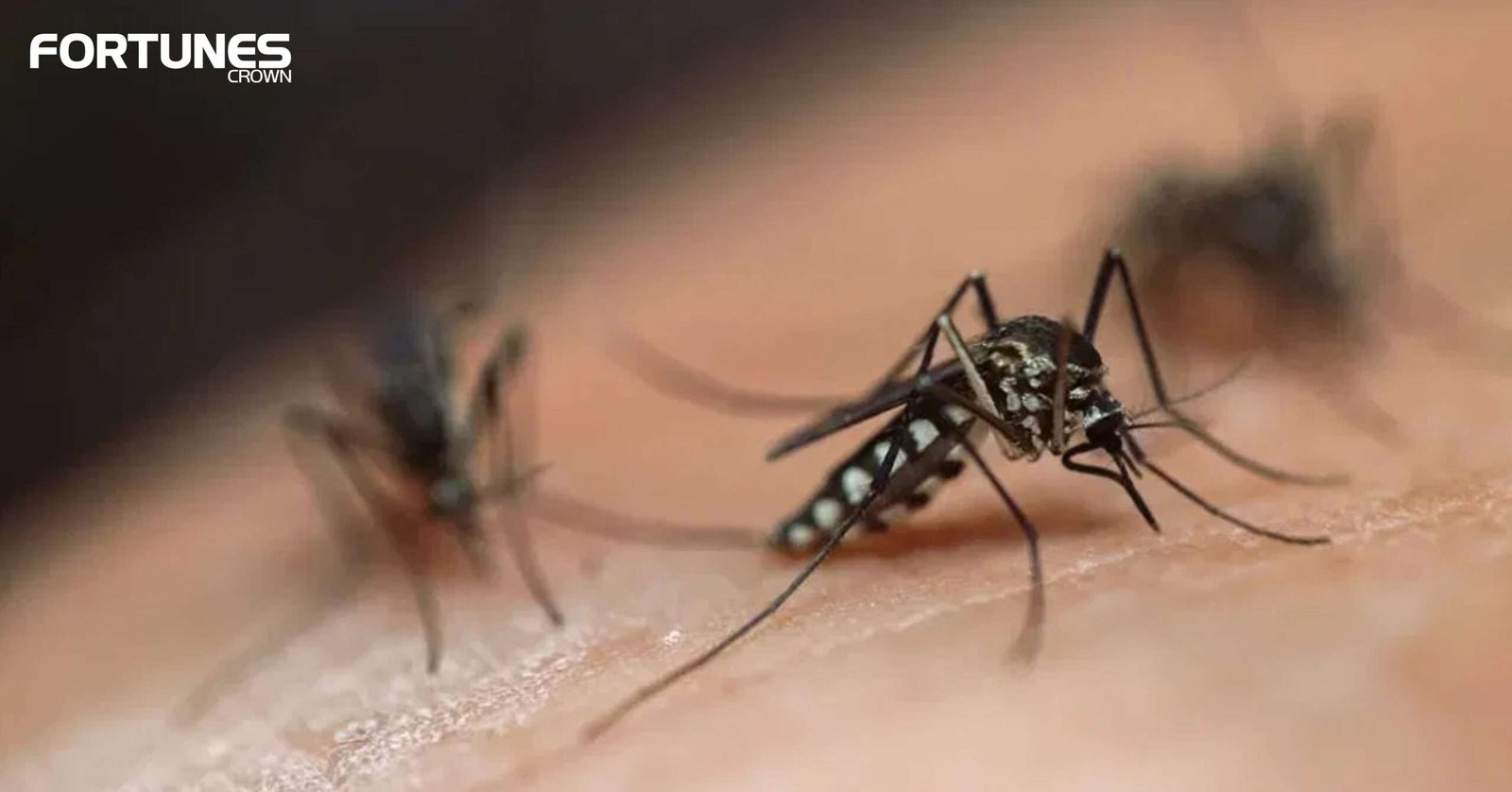
    Officials said that one fatality and two instances of a rare mosquito-borne virus have been documented in Alabama. Spanish Fort, Alabama, which is nine miles east of Mobile, reported cases of Eastern Equine Encephalitis (EEE) on Facebook.

    The names, ages, and sexes of the patients were not disclosed by the Alabama Department of Public Health. The cases are the first to be recorded in the state this year, according to Dr. Wes Stubblefield, a district medical officer with the ADPH, who spoke to ABC News. Only eight cases were reported in Alabama between 2003 and 2022, he claimed.

    Symptoms of Eastern Equine Encephalitis

    It can proceed from a high temperature, headache, chills, and nausea to seizures, confusion, and coma. The survivors could experience neurological problems. According to some, those under 15 and over 50 are more in danger.

    Not everyone who contracts the virus experiences symptoms, and many eastern equine encephalitis (EEE) virus infections result in silent infection. For individuals who experience symptoms, the incubation period lasts between 4 and 10 days.

    Alabama Cases

    The instances in Alabama were recorded in Baldwin County “in the past few weeks,” the state’s Department of Public Health stated in a news release on Monday.

    The virus has been identified in New York in horses in the counties of St. Lawrence and Franklin as well as in mosquitoes in the county of Onondaga, according to an announcement from the State Department of Health on Tuesday.

    According to the US Centers for Disease Control and Prevention, only a small number of human cases of Eastern equine encephalitis are documented in the US each year, mostly in Eastern or Gulf Coast states. It can, however, result in very serious illness. According to the CDC, “about 30% of people with EEE die, and many survivors have ongoing neurologic problems.”

    “People of all ages are susceptible to infection, but people over 50 and younger than 15 are at greatest risk of acquiring the virus,” the New York Health Department says. “While most people bitten by an infected mosquito will not develop any symptoms, severe cases begin with the sudden onset of headache, high fever, chills, and vomiting. The illness may then progress into disorientation, seizures, encephalitis, and coma.”

    Avoiding mosquito bites is the most effective strategy to prevent infection. The CDC advises using insect repellents that contain DEET, picaridin, or oil of lemon eucalyptus, among other substances. Wear long sleeves and long pants when outside. To kill or deter mosquitoes, clothing may also be coated with 0.5% permethrin. Look for any standing water in your yard where mosquitoes might lay their eggs.

  • YouTube Pulls Down Fake Cancer Treatment Videos

    YouTube Pulls Down Fake Cancer Treatment Videos

    The world’s most popular video-sharing website, YouTube, has stated that it would be strictly implementing its revised medical misinformation policy, which will include a crackdown on misleading claims regarding cancer treatments. This is a significant step in the fight against the spread of medical misinformation. This decision is a result of the platform’s ongoing efforts to guarantee the accuracy and authenticity of health and wellbeing-related material.

    Strengthened Medical Misinformation Policy

    YouTube will be more aggressive in finding and eliminating content that supports false or unproven claims about cancer treatments under the recently updated policy. In response to the rising worry about the spread of false information that can threaten people’s lives, this has been done. The platform seeks to give consumers access to reliable and trustworthy material by outlining precise principles and criteria to discern between genuine information and unfounded claims.

    Crackdown on False Cancer Treatment Claims

    As part of a larger effort to fight medical misinformation, YouTube is taking action against incorrect claims made about cancer treatments. This dedication is demonstrated by the platform’s use of cutting-edge algorithms and user input to find and eliminate content that breaks its guidelines. YouTube is protecting its viewers and advancing the worldwide effort to ensure correct health information spread by exposing false claims relating to cancer treatments.

    YouTube is going to use strong keyword-monitoring algorithms to find and filter videos that could be promoting fake cancer treatments. Identify false content, this requires an in-depth review of the tags, descriptions, and titles of videos. Additionally, the platform will be improving its algorithms to identify patterns linked to medical misinformation with greater efficiency, allowing for the quicker identification and removal of offensive films.

    Collaboration with Medical Experts

    YouTube has made it clear that it plans to work with medical organizations and specialists in recognition of the complexity of medical knowledge. The purpose of this collaboration is to give consumers trustworthy information and validate the accuracy of health-related content. In order to ensure that users can make knowledgeable decisions about their health, the platform aims to close the knowledge gap between user-generated material and expert-approved knowledge by including specialists.

    User Reporting Mechanism

    YouTube honours the community’s contribution to maintaining the integrity of the platform’s content. In order to accomplish this, it invites viewers to submit films that spread false information about cancer treatments or other types of medical rumours. User reports are a vital part of the platform’s automatic detection systems, giving an in-depth review of potentially dangerous information.

    The move by YouTube to forbid misleading statements on treatments for cancer under its policy against medical misinformation is a big step in the right direction for guaranteeing the accuracy of health-related material on the site. Through tightening its policies, working with medical professionals, and utilizing modern algorithms, YouTube hopes to make it a safer place for those looking for accurate data on cancer therapies. With the growing fight against false information about medicine, this action is a great model for other websites to copy.

  • EG.5: New COVID Variant. Hospitalizations Go Up in U.S.

    EG.5: New COVID Variant. Hospitalizations Go Up in U.S.

    In the US, the novel coronavirus variant EG.5 is currently in the lead. Eris, as people are calling it, has symptoms quite similar to COVID-19.

    According to the most recent estimates from the US Centres for Disease Control and Prevention, EG.5 is responsible for roughly 17% of new Covid-19 cases nationwide, compared to 16% for the next most prevalent lineage, XBB.1.16.

    EG may sound like a completely other strain of the virus, but it is actually an offshoot of the Omicron family’s XBB recombinant strain. Furthermore, unlike the original Omicron strain, it indicates another minor modification to the virus rather than a significant evolutionary leap.

    Recurring Patterns

    The omicron variant which resulted in an enormous outbreak in late 2021 and early 2022, gave rise to the EG.5 variant. However, the World Health Organisation (WHO) notes that “Eris” EG.5 is a variety that is “under monitoring” and not one that should raise any “interest” or “concern.” As of right now, according to Ruth McDermott-Levy, a professor at Villanova University’s Louise Fitzpatrick College of Nursing, if people follow up with prevention activities, they ought to be able to stay safe.

    Scientists are unsure of the specific additional abilities it gives the virus, but because many of the new XBB offspring have adapted it, variant hunters are paying close attention.

    The 465 mutation is found in around 35% of coronavirus sequences published globally, including FL.1.5.1, a coronavirus whose prevalence is increasing in the Northeast, indicating that it may have some sort of evolutionary benefit over earlier iterations.

    Is EG.5 Severe?

    The signs of EG.5 don’t seem to be all that different from those of other omicron sub variants. Cough, fever, chills, shortness of breath, exhaustion, body aches, loss of taste or smell, headaches, and other symptoms are reported by infected people.

    “Both are only slightly more resistant to neutralizing antibodies in serum of infected and vaccinated persons,” Ho, a professor of microbiology and immunology, said

    According to the WHO, EG.5 is not causing any more cases or fatalities than the XBB strain of omicron.

  • Japan Faces Shocking Population Drop. Birthrate Steeps Down.

    Japan Faces Shocking Population Drop. Birthrate Steeps Down.

    Population control is an agenda for most countries today. But looks like Japan is taking the lead naturally. According to official figures released on Wednesday, Japan’s population dropped by a record amount in 2022 as the nation works to overcome its historically low birthrates.

    After tiny Monaco, Japan has the second-oldest population in the world, and the prime minister of the country, Fumio Kishida, warned in January that the country was “on the verge of whether we can continue to function as a society.”

    According to a report by the internal affairs ministry, the number of Japanese decreased by 800,523, or 0.65 percent, to 122,423,038 last year from the previous year. Besides, there was a 10.7% increase in the number of foreign residents with addresses registered in Japan. The country’s overall population being 125.41 million, decreased by just over 500,000 from the previous year.

    Population Peaks And Falls

    Since the ministry began compiling figures in 2013, the growth in Japan’s immigrant population was the largest year-over-year increase. According to the ministry, foreigners today make up around 2.4% of Japan’s population.

    Due to a lowering birth rate, Japan’s population has been progressively declining since 2008, when it reached its peak. In 2017, there were just 771,801 births nationwide, a record low.

    In order to combat the declining birthrate, Prime Minister Fumio Kishida has made it one of his top policy objectives. Furthermore, He has also committed to securing annual funding of about 3.5 trillion yen ($25.2 billion) over the following three years for a new childcare package. The package includes increased higher education subsidies, childbirth, and rearing allowances.

    What Caused A Low Birthrate?

    Japan is one of the most costly countries to raise a child. Particularly high housing and education costs might make it challenging for families to finance raising a kid. Fewer couples have children in Japan as a consequence of the country’s high cost of living, constrained space, and dearth of city-based childcare facilities that make raising children difficult. Other factors affecting Japan’s dropping birth rate particularly include the declining marriage rate, financial stress, childcare demands, delayed childbirth, and infertility.

    Nevertheless, schools are closing as a result of population loss. With fewer kids, there are fewer people to fill the classes, and some schools can no longer support themselves financially.

    The rising cost of caring for the elderly, who make up a higher share of the population, is draining the country’s budget. According to World Bank data, Japan now has the second-highest percentage of individuals over 65 worldwide.

  • Man’s Best Friend! Research: Dogs Have Genes To Cure Cancer!

    Man’s Best Friend! Research: Dogs Have Genes To Cure Cancer!

    The latest study identifies particular genes in dogs that hold the potential to cure cancer. The largest-ever genome sequencing research of canine tumors was carried out by a group from the Broad Institute at Massachusetts Institute of Technology (MIT), Harvard University, and the University of Georgia.

    To uncover the genetic abnormalities causing canine malignancies, the study, which was published in the journal Scientific Reports, analyzed tumor samples and real-world clinical genomic data from 671 domestic dogs diagnosed with cancer throughout the US.

    Analyzing Genetic Data

    Small molecule medications that have previously been licensed for use on cancer patients in humans can also target several of these hotspots. As a result, patients with canine cancer will have easier access to highly efficient precision therapies that can supplement or replace more conventional, one-size-fits-all treatment modalities like chemotherapy, radiation, or surgery.

    Furthermore, the genetic information from canine tumors can also hasten the creation of precise cancer treatments for people. Additionally, the results revealed several previously unknown mutation hotspots in canine malignancies. Proving their capacity to accurately determine whether a tumor is somatic or germline based only on tumor tissue.

    “This study provides the most comprehensive genomic sequencing data on canine cancers, including several previously unsequenced types, and serves as a much-needed resource for comparative oncology,” said Shaying Zhao, a professor at the University of Georgia and a co-author of the study.

    More than 42,000 genetic alterations from 671 dogs of 96 different breeds were analyzed by the researchers among 23 major tumor forms.

    Targeted Tumors

    The study’s researchers also found that canine malignancies and human tumors have eight mutational hotspots in oncogenes such as PIK3CA, KRAS, NRAS, BRAF, KIT, and EGFR. The majority of the genetic hotspots in dogs may be treated with small-molecule therapies that are licensed for use in humans, and information on canine cancer can be utilized to expedite the development of novel cancer medications for humans.

  • Scientists Initially Test “Synthetic” Human Embryos Made With Stem Cells

    Scientists Initially Test “Synthetic” Human Embryos Made With Stem Cells

    According to news sources, scientists have used stem cells to make Synthetic Human Embryos. Surprisingly, these embryos apparently originated from embryonic stem cells, therefore sperm and ova are not necessary for their development.

    A novel method for simulating the early stages of life has been developed by scientists at the University of Cambridge using mouse stem cells. These model embryos feature a brain, a beating heart, and the building blocks for all the other bodily parts.

    These model embryos, which mirror those in the earliest stages of human development, may offer an important insight into the effects of genetic abnormalities and the molecular factors that contribute to recurrent miscarriage, according to scientists.

    Since lab-grown entities are illegal in the UK and most other nations, the development also poses significant ethical and legal concerns.

    The structures contain cells that would ordinarily develop into the placenta, yolk sac, and embryo itself but lack a beating heart and the beginnings of a brain.

    Mimicking Nature

    By directing the three varieties of stem cells that are present in early mammalian development to the stage when they begin interacting, the researchers were able to reproduce natural processes in the laboratory. The scientists were able to persuade the stem cells to “talk” to one another by triggering the expression of a certain set of genes and creating a special environment for their interactions.

    According to Robin Lovell-Badge, director of developmental genetics and stem cell biology at the Francis Crick Institute in London:

    “The idea is that if you really model normal human embryonic development using stem cells, you can gain an awful lot of information about how we begin development, what can go wrong, without having to use early embryos for research.”

    “Constructing” Embryos

    The model constructions, which were each developed from a single embryonic stem cell, have begun to undergo gastrulation, a developmental stage in which the embryo changes from being a continuous sheet of cells to generating discrete cell lines and establishing the basic axis of the body.

    The model demonstrated the presence of primordial cells, which are the precursor cells of egg and sperm, albeit the embryo at this stage does not yet have a beating heart, a functioning stomach, or the beginnings of a brain.