Category: Article

  • Top Tips for Maximising Office Efficiency

    Top Tips for Maximising Office Efficiency

    Maximising office efficiency is essential for achieving productivity and maintaining a positive, stress-free atmosphere. Whether you are working from a traditional office or managing a remote team, optimising your work processes, environment, and mindset can make a significant difference in your overall performance. Here are some top tips to enhance office efficiency and keep things running smoothly.

    Stay Organised with Effective Systems

    One of the key components of an efficient office is organisation. When employees know where everything is and have a streamlined process to follow, tasks are completed more quickly and with fewer mistakes. Implementing a digital filing system for documents and emails can prevent unnecessary clutter and reduce time spent searching for files. Physical files and supplies should also be categorised and stored in clearly labeled bins, drawers, or cabinets. Having an organised space to work in helps reduce distractions and fosters a sense of order, ultimately making it easier to focus.

    Always Be Stocked Up with Supplies

    An often-overlooked but crucial element of an efficient office is ensuring that essential supplies are always available. Running out of office supplies like paper, pens, or printer ink cartridges can derail the entire workflow. Regularly monitor inventory and set up a system to automatically reorder items before they run out. Keeping a small backup stash of everyday essentials like notepads, markers, and sticky notes can make a big difference during busy periods. Among handy writing tools, options such as the PILOT erasable pen, highlighters, and fine-tip markers can help keep notes neat and adaptable for quick edits or brainstorming sessions. This proactive approach not onlysaves time but also minimises interruptions, allowing employees to focus on their tasks without worrying about missing materials. Whether it’s office stationery, ergonomic accessories, or computer peripherals, ensuring your office is consistently well-stocked supports uninterrupted productivity.

    Automate Repetitive Tasks

    Another powerful way to boost efficiency in the office is by automating repetitive tasks. Many administrative duties, such as scheduling meetings, managing emails, and generating reports, can be automated using the right tools and software. Tools like calendar apps, email filters, and project management platforms can save valuable time and reduce the need for manual input. By minimising routine work, employees can focus on more strategic tasks that require creativity and critical thinking.

    Foster Collaboration with Technology

    Collaborative tools like Slack, Microsoft Teams, or Google Workspace can facilitate seamless communication between team members, even in a hybrid or remote work environment. These platforms allow for easy file sharing, real-time messaging, and virtual meetings, making it easier for teams to work together regardless of location. By embracing the right technology, employees can collaborate more effectively, reduce miscommunications, and complete tasks faster. The key is to use the tools that best fit your team’s needs, making sure everyone is on the same page.

    Create a Distraction-Free Environment

    Distractions are one of the biggest obstacles to productivity in any office. To maximise efficiency, it is important to minimise interruptions and create a work environment where employees can focus. Noise-cancelling headphones, private meeting spaces, and clear guidelines for breaks can all help to reduce distractions. In addition, try to establish designated areas for specific activities—such as a quiet zone for focused work and a break room for informal conversations—to ensure that employees can concentrate when needed while still maintaining a healthy work-life balance.

    Prioritise Health and Well-Being

    An often-overlooked element of office efficiency is employee well-being. Providing a healthy workspace, access to ergonomic furniture, and encouraging regular breaks can help maintain energy levels and mental clarity. Encourage employees to take short breaks throughout the day to stretch, walk around, or meditate. A healthy and well-rested team is more likely to remain engaged and productive throughout the day.

  • Understanding the HMPV Virus: A Comprehensive Guide

    Understanding the HMPV Virus: A Comprehensive Guide

    Human Metapneumovirus (HMPV) is a significant pathogen responsible for respiratory tract infections, affecting people across all age groups. Since its discovery in 2001, it has been recognized as one of the primary causes of respiratory illness, second only to respiratory syncytial virus (RSV) in its impact on young children, older adults, and individuals with compromised immune systems. This article delves into the history, characteristics, transmission, clinical manifestations, diagnosis, treatment, and prevention of the HMPV virus, offering an in-depth understanding of its role in public health.

    History and Discovery

    HMPV was first identified in the Netherlands in 2001, though retrospective studies suggest its presence in human populations for several decades prior. The virus was isolated from children with acute respiratory tract infections, marking a pivotal moment in respiratory virology. Genomic analysis revealed that HMPV belongs to the Paramyxoviridae family, sharing similarities with RSV and avian metapneumovirus (AMPV), indicating a probable zoonotic origin.

    Structure and Characteristics

    HMPV is an enveloped, single-stranded RNA virus with a negative-sense genome. Its genome encodes nine proteins, including the fusion (F) and attachment (G) glycoproteins, which play critical roles in viral entry and immune response evasion. The virus is classified into two main genetic lineages, A and B, each further divided into sub-lineages. These variations influence its epidemiological patterns and immune response.

    Transmission and Epidemiology

    HMPV is highly contagious and spreads primarily through respiratory droplets, direct contact with infected individuals, or contact with contaminated surfaces. It exhibits seasonal patterns, with infections peaking during late winter and early spring, similar to other respiratory viruses.

    Epidemiological studies show that HMPV infects individuals of all ages, but certain populations are more vulnerable, including:

    • Infants and young children: HMPV is a leading cause of bronchiolitis and pneumonia in this group.
    • Older adults: Age-related decline in immunity increases susceptibility.
    • Immunocompromised individuals: Those with weakened immune systems are at higher risk of severe disease.
    • Individuals with underlying health conditions: Chronic illnesses like asthma, COPD, or cardiovascular diseases exacerbate the impact of HMPV.

    Clinical Manifestations

    The symptoms of HMPV infection range from mild upper respiratory tract illness to severe lower respiratory tract disease. Common symptoms include:

    • Fever
    • Cough
    • Nasal congestion
    • Shortness of breath
    • Wheezing
    • Sore throat

    In severe cases, particularly among high-risk groups, HMPV can lead to complications such as bronchiolitis, pneumonia, or exacerbation of chronic respiratory conditions. Hospitalization rates are significant in infants, older adults, and those with underlying health issues.

    Diagnosis

    Diagnosing HMPV infection requires a combination of clinical evaluation and laboratory testing. Common diagnostic methods include:

    1. Reverse Transcription-Polymerase Chain Reaction (RT-PCR): The most sensitive and specific method for detecting HMPV RNA in respiratory specimens.
    2. Immunofluorescence Assays: Used to detect viral antigens in respiratory samples.
    3. Serology: Measures antibody responses, useful in retrospective studies or epidemiological surveys.

    Treatment

    Currently, there is no specific antiviral treatment for HMPV. Management focuses on supportive care to alleviate symptoms and prevent complications. Key interventions include:

    • Hydration and rest: Essential for recovery.
    • Oxygen therapy: For individuals with significant respiratory distress.
    • Bronchodilators: May be used to relieve wheezing in some patients.
    • Hospitalization: Required for severe cases, especially in high-risk groups.

    Experimental therapies, including monoclonal antibodies and antiviral agents targeting the F protein, are under investigation and hold promise for future treatment options.

    Prevention

    Preventing HMPV infection involves a combination of public health measures and personal hygiene practices:

    1. Hand Hygiene: Regular handwashing with soap and water is effective in reducing transmission.
    2. Respiratory Etiquette: Covering the mouth and nose during coughing or sneezing helps prevent droplet spread.
    3. Environmental Cleaning: Disinfecting frequently touched surfaces reduces the risk of indirect transmission.
    4. Avoiding Crowded Places: Especially during peak seasons, minimizes exposure.

    Vaccination development is an active area of research. While no vaccine is currently available, promising candidates targeting the F protein are in preclinical and clinical stages of development.

    Global Impact and Public Health Significance

    HMPV contributes significantly to the global burden of respiratory illnesses, with substantial healthcare costs and societal impact. Hospitalizations, medical visits, and lost productivity highlight the economic burden of the virus. Enhanced surveillance, research, and public awareness are essential to mitigate its effects.

    Challenges and Future Directions

    Understanding and managing HMPV faces several challenges:

    • Lack of Specific Treatments: The absence of targeted antivirals limits therapeutic options.
    • Vaccine Development: Creating a safe and effective vaccine remains a scientific priority.
    • Limited Public Awareness: Increasing recognition of HMPV as a significant respiratory pathogen is crucial for early diagnosis and prevention.

    Future research should focus on:

    • Identifying novel therapeutic targets.
    • Developing effective vaccines.
    • Enhancing diagnostic tools for rapid and accurate detection.

    HMPV is a pervasive respiratory virus with a profound impact on public health. Its ability to cause severe illness in vulnerable populations underscores the need for continued research, improved diagnostic capabilities, and preventive strategies. By addressing these challenges, the global community can reduce the burden of HMPV and protect those most at risk. Increased awareness and collaborative efforts will be key to combating this silent yet significant threat to respiratory health.

  • How To Make Your Next Event Out Of This World

    How To Make Your Next Event Out Of This World

    Planning an event can be both thrilling and challenging. Whether it’s a corporate conference, a product launch, or a community gathering, the goal is to leave attendees wowed and wanting more. But how do you create an event that truly stands out and feels out of this world? With the right strategies and tools, you can elevate every aspect of your event, from planning to execution. Here’s how to make it happen.

    Prioritize the Attendee Experience

    The foundation of an unforgettable event is a stellar attendee experience. Think about what would delight and engage your audience at every touchpoint:

    • Immersive Themes: Choose a theme that resonates with your audience and aligns with your goals. From futuristic designs to interactive spaces, a cohesive theme can transform a regular event into an extraordinary one.
    • Engaging Content: Offer a variety of content, such as keynote speeches, breakout sessions, live demos, and panel discussions. Ensure the content is relevant and tailored to your attendees’ interests.
    • Interactive Elements: Incorporate elements like live polls, Q&A sessions, and gamification to keep attendees actively engaged.

    Leverage Cutting-Edge Technology

    Incorporating advanced technology can set your event apart and create a seamless experience for your attendees. Virtual reality (VR), augmented reality (AR), and holographic displays are innovative ways to captivate your audience. Additionally, tools like event apps or wearable tech can streamline the logistics and enhance communication during the event.

    While technology can elevate your event, it also requires skilled hands to ensure everything runs smoothly. Having an experienced Lighting Stagehand on-site can make a significant difference, assisting with setup, adjustments, and real-time troubleshooting of lighting systems. Their expertise allows the event’s technical elements to function seamlessly, letting you focus on engaging your audience and maximizing the impact of your innovative tech.

    Use Software to Elevate Your Event

    To truly take your event to the next level, consider utilizing software for event management. As an example, Expo Logic offers a suite of tools designed to simplify event planning and maximize impact. It makes it easy to manage every aspect of your event, from scheduling to budgeting. You can centralize all your planning tasks in one platform, ensuring nothing falls through the cracks.

    You can even create personalized registration forms that capture all the necessary details while providing a smooth user experience. Automated email confirmations and reminders ensure that attendees are always informed. Plus, whether you are live streaming or doing virtual exhibitor booths and interactive features, it can help you keep your remote audience engaged and connected.

    Focus on Networking Opportunities

    Networking is a cornerstone of any successful event, and creating meaningful opportunities for connection can significantly enhance the value for attendees. You foster organic conversations and build lasting relationships by designing dedicated spaces where participants can relax and interact.

    Incorporating activities that encourage engagement from the outset, such as interactive icebreakers, helps attendees feel comfortable and open to connecting. Digital tools also play a pivotal role, enabling attendees to schedule one-on-one meetings or participate in group chats that extend the networking possibilities beyond the physical space of the event.

    Build Anticipation and Follow Through

    The excitement of an out-of-this-world event begins long before the attendees arrive. Creative marketing campaigns that tease highlights or offer behind-the-scenes glimpses help build intrigue and generate buzz. Counting down to the event with engaging social media posts or offering exclusive giveaways can amplify anticipation. After the event, sustaining momentum is crucial. Sharing recaps, photo albums, and video highlights keeps the conversation alive and ensures that attendees remember the experience long after it ends.

    Making your next event extraordinary requires a combination of creativity, technology, and meticulous planning. Start planning today, and prepare to wow your audience!

  • The Best VPNs to Use in 2025: A Comprehensive Guide

    The Best VPNs to Use in 2025: A Comprehensive Guide

    In 2025, the digital landscape will have evolved dramatically, bringing both exciting opportunities and complex challenges for online users. The internet is projected to be more immersive, interconnected, and, unfortunately, more prone to cyber threats. As such, Virtual Private Networks (VPNs) will remain a cornerstone of online security and privacy. With advancements in quantum computing, AI-driven surveillance, and decentralized internet protocols, the demand for robust VPN solutions will be at an all-time high.

    This guide provides a deep dive into the best VPNs of 2025, highlighting their features, advantages, and why they stand out in the ever-changing cyber realm. Whether you’re a casual browser, a gamer, or a corporate professional, these VPNs will cater to your needs.


    What to Look for in a VPN in 2025

    Before exploring the top VPNs, it’s crucial to understand the key features that define the best VPNs in 2025:

    1. Quantum Encryption: Traditional encryption methods are no longer sufficient. Quantum-resistant algorithms are a must to safeguard data against quantum computing threats.
    2. AI-Driven Threat Detection: Advanced AI capabilities allow VPNs to detect and neutralize threats in real-time.
    3. Seamless Multi-Device Connectivity: With the rise of IoT devices, VPNs must support seamless connections across multiple devices, including wearables, smart appliances, and autonomous vehicles.
    4. Decentralized Architecture: Decentralized VPNs (dVPNs) eliminate reliance on central servers, enhancing privacy and resilience.
    5. High-Speed Connectivity: As 10G networks and beyond become standard, VPNs must ensure zero-lag performance for users.

    Top VPNs to Use in 2025

    1. QuantumShield VPN

    Best for: Ultimate security and privacy enthusiasts.

    QuantumShield VPN is a trailblazer in integrating quantum encryption technology. Its AI-driven threat detection ensures that any attempt at data breaches or surveillance is thwarted in real time. The VPN’s decentralized architecture guarantees anonymity, as no central server stores user data.

    Key Features:

    • Quantum-resistant encryption.
    • AI-powered real-time threat analysis.
    • Unlimited bandwidth with high-speed servers.
    • Multi-device support for up to 50 devices.

    Why It Stands Out: QuantumShield’s ability to adapt to quantum computing advancements makes it the ideal choice for users seeking top-notch security in 2025.

    2. EtherealVPN

    Best for: Decentralized internet advocates.

    EtherealVPN harnesses blockchain technology to provide a fully decentralized experience. Unlike traditional VPNs, it operates through a network of user-contributed nodes, ensuring complete anonymity and zero data logging.

    Key Features:

    • Blockchain-based decentralized servers.
    • Community-driven node network.
    • Transparent and auditable security protocols.
    • Support for smart devices and IoT gadgets.

    Why It Stands Out: By leveraging blockchain technology, EtherealVPN offers unparalleled privacy, making it a favorite among tech-savvy users.

    3. NeoStream VPN

    Best for: Gamers and streamers.

    NeoStream VPN is optimized for ultra-low latency and high-speed connections, making it a top choice for gamers and content streamers. Its adaptive routing technology ensures smooth gameplay and uninterrupted streaming, even on 16K resolutions.

    Key Features:

    • High-speed servers optimized for gaming and streaming.
    • Real-time adaptive routing for low latency.
    • Dedicated servers for popular streaming platforms.
    • Support for AR/VR applications.

    Why It Stands Out: NeoStream’s commitment to speed and reliability ensures that users enjoy an immersive experience without compromising on security.

    4. OmniSecure VPN

    Best for: Business professionals and enterprises.

    OmniSecure VPN caters to the corporate world with enterprise-grade security and productivity tools. Its integration with AI-driven workflows and cloud-based services makes it an essential tool for modern businesses.

    Key Features:

    • Enterprise-level security protocols.
    • AI-driven workflow integration.
    • Secure cloud service access.
    • Multi-layered authentication mechanisms.

    Why It Stands Out: OmniSecure VPN’s robust features make it indispensable for businesses aiming to protect sensitive data while enhancing productivity.

    5. GalaxyConnect VPN

    Best for: Space enthusiasts and interplanetary connectivity.

    With humanity’s ventures into space becoming routine, GalaxyConnect VPN is designed to provide secure internet access across planets. Its satellite-based servers and quantum encryption ensure seamless connectivity and security in extraterrestrial environments.

    Key Features:

    • Satellite-based server network.
    • Optimized for interplanetary communication.
    • Quantum encryption for ultimate security.
    • Real-time AI threat analysis.

    Why It Stands Out: GalaxyConnect VPN pioneers secure connectivity in outer space, making it the go-to choice for space travelers and researchers.


    Honorable Mentions

    1. ZenithVPN: Known for its affordability and user-friendly interface.
    2. CrypTunnel VPN: Excels in anonymizing user traffic through onion routing.
    3. SkyShield VPN: Specialized in aerial and drone-based communications.

    Why VPNs Are Essential in 2025

    1. Evolving Cyber Threats: Cybercriminals are leveraging advanced AI and quantum computing, making robust VPNs a necessity.
    2. Increased Surveillance: Governments and corporations continue to expand surveillance programs, making privacy tools indispensable.
    3. Global Connectivity: As the internet becomes more globalized, VPNs play a crucial role in bypassing regional restrictions and censorship.
    4. IoT Proliferation: With billions of connected devices, VPNs ensure that every interaction is secure.

    Tips for Choosing the Right VPN (Virtual Private Networks)

    1. Identify Your Needs: Are you looking for privacy, speed, or accessibility? Choose a VPN that aligns with your primary objectives.
    2. Check Compatibility: Ensure the VPN supports all your devices, including IoT gadgets and wearables.
    3. Research Security Protocols: Look for VPNs with quantum-resistant encryption and decentralized architecture.
    4. Test the Speed: Opt for VPNs with high-speed servers to avoid lags.
    5. Read Reviews: Check user reviews and third-party audits to verify the VPN’s credibility.
    best vpn

    The future of the internet in 2025 is as thrilling as it is unpredictable. VPNs will remain a cornerstone of online privacy and security, evolving to meet the demands of a hyper-connected world. Whether you’re safeguarding your data against quantum threats, enjoying seamless gaming, or communicating across planets, the VPNs listed above are equipped to handle the challenges of the future.

    Investing in a reliable VPN is not just a choice but a necessity in the digital age. Stay secure, stay private, and embrace the future with confidence by choosing one of these top-tier VPNs for 2025.

    Are Free VPNs Worth It? Pros, Cons, and What You Need to Know

    Free VPNs are a cost-effective solution for users seeking online privacy without financial investment. They provide essential features like encryption and anonymous browsing, but often come with trade-offs such as limited speeds, restricted server options, and data usage caps. Additionally, some free VPN providers may compromise user privacy by collecting and selling data or displaying ads. While free VPNs can be suitable for light internet use, they may not meet the demands of activities like streaming, gaming, or securing sensitive information. For enhanced security and performance, premium VPNs are generally a better choice.

  • 10 Visionary Business Leaders Set to Dominate the World in 2025

    10 Visionary Business Leaders Set to Dominate the World in 2025

    The world of Visionary Business Leaders Shaping the Future in this dynamic arena, ever-evolving with innovation, resilience, and vision. As we head into 2025, certain leaders stand out, shaping industries and inspiring change globally. These individuals are not just running companies; they are driving transformation across economies, society, and technology. Here’s a look at 10 remarkable business leaders who are set to make waves in 2025.

    1. Elon Musk – CEO, Tesla and SpaceX

    Elon Musk remains an undeniable force in Innovative Industry Pioneers. As the head of Tesla, Musk has pushed the boundaries of electric vehicles (EVs), aiming for complete sustainability. Tesla’s upcoming models promise breakthroughs in affordability and efficiency, targeting mass-market adoption. Meanwhile, SpaceX’s Starship program has laid the groundwork for Mars colonization, with plans to accelerate interplanetary exploration. Musk’s ventures in artificial intelligence and robotics further cement his status as a global visionary.

    2. Sundar Pichai – CEO, Alphabet Inc.

    Leading one of the most influential technology companies in the world, Sundar Pichai’s Game-Changing Leadership for Google’s parent company, Alphabet, revolves around AI, sustainability, and accessibility. Google’s advancements in AI through tools like Bard and DeepMind are setting new standards for tech innovation. Additionally, Pichai’s focus on reducing the company’s carbon footprint aligns with global environmental goals, ensuring Alphabet remains a leader in ethical and sustainable practices.

    3. Satya Nadella – CEO, Microsoft

    Satya Nadella’s leadership has revitalized Microsoft, positioning it as a powerhouse in cloud computing and AI. Azure continues to dominate the enterprise cloud market, while Microsoft’s commitment to AI integration in products like Office 365 is reshaping how businesses operate. Nadella’s inclusive and forward-thinking approach has also spurred significant investments in quantum computing and gaming, making Microsoft a multifaceted technology leader.

    4. Mary Barra – CEO, General Motors

    As the first female CEO of a major global automaker, Mary Barra is steering General Motors (GM) toward an all-electric future. GM’s ambitious goal of selling only zero-emission vehicles by 2035 underscores Barra’s commitment to sustainability. The Ultium battery platform, designed for flexibility and efficiency, places GM at the forefront of the EV revolution. Barra’s emphasis on innovation and collaboration continues to redefine the automotive industry.

    5. Tim Cook – CEO, Apple

    Tim Cook has maintained Apple’s legacy as a leader in consumer technology while introducing bold new initiatives. Under his guidance, Apple has ventured into augmented reality (AR) and wearable technology, with the Vision Pro headset poised to revolutionize how we interact with digital content. Cook’s focus on privacy and sustainability has also strengthened Apple’s reputation as a socially responsible tech giant. Tim Cook was Trailblazing Entrepreneurs and ideal for all.

    6. Jane Fraser – CEO, Citigroup

    Jane Fraser’s leadership at Citigroup marks a transformative era for one of the world’s largest financial institutions. As the first woman to head a major Wall Street bank, Fraser is focusing on digital transformation and environmental, social, and governance (ESG) initiatives. Her efforts to streamline operations and enhance customer experience through innovative digital solutions are reshaping the banking industry.

    7. Jensen Huang – CEO, NVIDIA

    Jensen Huang has positioned NVIDIA as a pioneer in graphics processing and AI technology. The company’s GPUs are driving advancements in gaming, autonomous vehicles, and data centers. NVIDIA’s role in enabling AI breakthroughs, particularly in deep learning and generative AI, has made it indispensable to tech innovation. Huang’s strategic foresight ensures NVIDIA’s continued dominance in a rapidly evolving market.

    8. Mukesh Ambani – Chairman, Reliance Industries

    Mukesh Ambani is reshaping India’s economic landscape with bold investments in technology and green energy. Reliance Jio’s 5G rollout is set to revolutionize connectivity, while the company’s push into solar energy and hydrogen fuels aligns with global sustainability goals. Ambani’s Forward-Thinking vision of a self-reliant India through technological and industrial development is setting new benchmarks for emerging markets.

    9. Adena Friedman – CEO, Nasdaq

    Adena Friedman’s leadership at Nasdaq has modernized financial markets with cutting-edge technology and data analytics. She champions blockchain solutions for secure and efficient trading, fostering transparency in capital markets. Her initiatives to diversify the financial sector and support small businesses through access to capital reflect a forward-thinking approach to global finance.

    10. Patrick Collison – CEO, Stripe

    Patrick Collison, along with his brother John, co-founded Stripe to simplify online payments, and it has since become a cornerstone of e-commerce. In 2025, Stripe’s expansion into cryptocurrency and financial infrastructure solutions positions it as a key player in the digital economy. Collison’s commitment to innovation and user-centric design has made Stripe a trusted partner for businesses worldwide.

    Visionary Business Leaders of 2025

    What Sets These Visionary Business Leaders Driving Global Change Apart?

    These leaders share several traits that set them apart:

    1. Visionary Thinking: They anticipate future trends and position their companies to lead in emerging markets.
    2. Adaptability: They embrace change and turn challenges into opportunities.
    3. Commitment to Sustainability: Many are pioneering initiatives that balance growth with environmental responsibility.
    4. Technological Prowess: Their focus on innovation ensures their companies remain ahead of the curve.
    5. Inclusive Leadership: They prioritize diversity and collaboration, fostering cultures of inclusion within their organizations.

    The Road Ahead – Visionary Business Leaders

    As we approach 2025, these leaders exemplify what it means to be trailblazers in their respective fields. Their decisions will not only shape their industries but also impact global economies and societies. The convergence of technology, sustainability, and innovation under their leadership promises an exciting future for businesses and consumers alike. These 10 leaders are proof that vision and resilience can transform challenges into opportunities, propelling the world toward a brighter tomorrow.

    Qualities of Visionary Business Leaders

    Visionary business leaders possess a unique set of qualities that set them apart from others. They are defined by their ability to anticipate future trends and create strategies that ensure long-term success. Their creativity and innovative thinking drive them to explore uncharted territories, turning challenges into opportunities. Strong decision-making skills, coupled with a forward-thinking mindset, allow them to steer their organizations through complex landscapes. These Visionary Business Leaders inspire and motivate others with their passion, clear communication, and commitment to a shared vision. Moreover, their adaptability and resilience enable them to thrive in a rapidly changing world, ensuring their businesses stay ahead of the curve while fostering sustainability and growth.

  • 2025: A Glimpse into the Future of Science and Technology a Innovation

    2025: A Glimpse into the Future of Science and Technology a Innovation

    Future of Science and Technology into 2025, the rapid advancements in science and technology promise to redefine the boundaries of human potential. From transformative medical breakthroughs to revolutionary advancements in artificial intelligence (AI), the year 2025 is poised to be a watershed moment in the history of innovation. Below, we explore some of the most exciting scientific and technological trends to watch in the coming year.

    1. Artificial Intelligence: A New Era of Sophistication

    AI continues to evolve, moving beyond automation to become a vital partner in creative, strategic, and analytical tasks. In 2025, generative AI tools are expected to become more sophisticated, capable of producing content indistinguishable from human creation. Advances in natural language processing (NLP) and machine learning will enhance conversational AI, making digital assistants more intuitive and human-like.

    Moreover, AI’s integration into industries such as healthcare, finance, and education will reach new heights. Predictive analytics powered by AI will allow businesses to forecast trends with unprecedented accuracy, while personalized learning platforms will cater to individual student needs, transforming education.

    2. Quantum Computing: On the Brink of Revolution

    Quantum computing is set to transition from experimental labs to real-world applications in 2025. With tech giants like IBM, Google, and Microsoft making significant strides, quantum computers will begin tackling problems previously deemed unsolvable.

    Fields such as cryptography, drug discovery, and climate modeling stand to benefit immensely. For instance, quantum algorithms could revolutionize material science, leading to the discovery of new superconductors and energy-efficient materials. Meanwhile, advancements in quantum encryption will set new standards for cybersecurity.

    3. Space Exploration: Beyond the Final Frontier

    The space industry is gearing up for a landmark year. NASA’s Artemis program aims to return humans to the Moon, laying the groundwork for a sustainable lunar base. Private companies like SpaceX and Blue Origin are also pushing boundaries, with plans for interplanetary travel and the establishment of Mars colonies.

    Furthermore, 2025 could see a surge in satellite-based technologies. From high-speed internet delivered via satellite constellations to Earth observation systems monitoring climate change, space technology will play a pivotal role in addressing global challenges.

    4. Renewable Energy: Powering a Sustainable Future

    The global push for sustainability will drive innovation in renewable energy technologies. Solar and wind energy systems are expected to become more efficient and affordable, thanks to advancements in materials science and energy storage solutions.

    Energy grids powered by AI will optimize resource distribution, reducing waste and ensuring reliability. Additionally, breakthroughs in hydrogen fuel technology and carbon capture systems will further accelerate the transition to a greener future.

    5. Biotechnology and Healthcare: A Paradigm Shift

    The convergence of biology and technology is reshaping healthcare. In 2025, personalized medicine will become mainstream, with treatments tailored to an individual’s genetic makeup. The rise of CRISPR and other gene-editing technologies will pave the way for cures to genetic disorders and advancements in cancer therapy.

    Wearable and implantable medical devices will offer real-time health monitoring, empowering individuals to take charge of their well-being. AI-driven diagnostic tools will enhance early detection of diseases, while telemedicine platforms will ensure healthcare accessibility, even in remote areas.

    As medical devices become smaller and more integrated, practical concerns about labeling — legibility in tight spaces, adhesive performance on difficult substrates like silicone, and resistance to repeated sterilization — are increasingly important for manufacturers and clinicians. Practical guidance on compliant, durable solutions can be found in resources covering FDA medical device labeling, which outline material choices, adhesives, and design tweaks for constrained surfaces. 

    Choosing the right film, ink and adhesive combination helps ensure barcodes and unique device identifiers remain readable after autoclaving or frequent cleaning. Bringing these considerations into early device design supports traceability and reliability in clinical settings.

    6. Autonomous Systems: Redefining Mobility

    Autonomous vehicles are set to revolutionize transportation. By 2025, self-driving cars, drones, and delivery robots will become more prevalent, supported by advancements in sensors, AI, and connectivity.

    In addition to improving safety and reducing traffic congestion, autonomous systems will transform industries such as logistics and agriculture. For example, autonomous farming equipment will optimize crop production, addressing food security challenges globally.

    7. Extended Reality (XR): Bridging Virtual and Physical Worlds

    Extended reality technologies, encompassing virtual reality (VR), augmented reality (AR), and mixed reality (MR), are expected to redefine how we interact with digital content. In 2025, XR will see widespread adoption across sectors such as gaming, education, and retail.

    Businesses will leverage AR for immersive marketing campaigns, while VR training simulations will become integral to workforce development. Additionally, XR platforms will foster collaboration in remote work environments, creating virtual spaces where teams can interact seamlessly.

    8. Robotics: Enhancing Human Capabilities

    The robotics industry is entering a new phase of innovation. In 2025, humanoid robots equipped with advanced AI will be capable of performing complex tasks, from caregiving to disaster response.

    Collaborative robots, or cobots, will work alongside humans in manufacturing and other industries, enhancing productivity and safety. Advances in soft robotics will also lead to the development of robots that can mimic human dexterity, opening up possibilities in surgery and other delicate tasks.

    9. The Internet of Things (IoT): Building Smarter Ecosystems

    IoT is expanding its reach, connecting billions of devices in an intelligent network. By 2025, smart homes, cities, and industries will become the norm, driven by the integration of IoT with AI and 5G technologies.

    Smart cities will leverage IoT to optimize traffic management, energy usage, and waste collection. Meanwhile, industrial IoT will enable predictive maintenance, reducing downtime and improving operational efficiency.

    10. Ethical and Regulatory Challenges

    While technological progress is exciting, it also raises important ethical and regulatory questions. In 2025, there will be increased scrutiny on issues such as data privacy, AI ethics, and the societal impact of automation.

    Governments and organizations will need to strike a balance between fostering innovation and protecting public interests. Collaborative frameworks and international agreements will play a crucial role in addressing these challenges.

    Science and Technology

    Embracing the Future of Science and Technology

    The year 2025 is set to be a pivotal moment in the trajectory of science and technology. As we stand on the cusp of these transformative changes, it is crucial to embrace innovation responsibly. By addressing ethical concerns and ensuring equitable access to technological advancements, we can harness the power of science and technology to build a better future for all.

    Embracing the future of science and technology is a pivotal journey toward innovation and progress. As we stand on the cusp of new advancements, the integration of cutting-edge research and technological breakthroughs promises to reshape industries, enhance our daily lives, and solve pressing global challenges.

    From artificial intelligence to space exploration, the possibilities are endless. By embracing this future, we open doors to unprecedented opportunities for growth, learning, and improvement in every facet of society. The potential to revolutionize medicine, energy, communication, and more is not just a distant dream, but a tangible reality within our reach.

  • Corruption in India 2025: A Persistent Challenge and Ways to Prevent It

    Corruption in India 2025: A Persistent Challenge and Ways to Prevent It

    India, the world’s largest democracy, boasts a rich cultural heritage and rapid economic growth. However, one of the most persistent challenges hindering its progress is corruption. A deep-rooted issue that affects all levels of governance, corruption erodes public trust, stifles economic development, and undermines democratic institutions. To combat this menace effectively, understanding its causes, consequences, and potential solutions is imperative.

    The Roots of Corruption in India

    Corruption in India stems from multiple factors that intertwine to create a complex web of unethical practices. These factors include:

    1. Bureaucratic Red Tape: The labyrinthine processes in government institutions often necessitate multiple approvals, creating opportunities for bribery.
    2. Lack of Transparency: The absence of clear and open systems in public administration leads to opacity, enabling corrupt practices.
    3. Weak Enforcement of Laws: Although India has stringent anti-corruption laws, their enforcement remains inconsistent, allowing offenders to escape accountability.
    4. Economic Disparities: Widening income gaps create a fertile ground for corruption as individuals seek shortcuts to gain financial advantages.
    5. Cultural Tolerance: In some cases, societal norms inadvertently condone corrupt practices, treating them as inevitable or harmless.

    The Consequences of Corruption

    Corruption’s impact on India is profound and multifaceted, affecting various aspects of society and governance:

    1. Economic Stagnation: Corruption distorts markets, reduces investments, and increases the cost of doing business, impeding economic growth.
    2. Erosion of Public Trust: When people perceive government institutions as corrupt, their trust diminishes, leading to civic disengagement.
    3. Social Inequality: Corruption exacerbates social disparities, as resources meant for public welfare are often siphoned off by unscrupulous individuals.
    4. Weakened Institutions: Persistent corruption undermines the integrity and efficiency of public institutions, affecting service delivery.
    5. Environmental Degradation: In sectors like mining and real estate, corruption often leads to illegal activities that harm the environment.

    Measures to Prevent Corruption

    Tackling corruption in India requires a holistic approach encompassing legislative reforms, technological interventions, and societal change. Below are some effective strategies:

    1. Strengthening Legal Frameworks:
      • Amend and enforce anti-corruption laws to ensure swift and decisive action against offenders.
      • Empower institutions like the Central Vigilance Commission (CVC) and the Lokpal to function independently and effectively.
    2. Promoting Transparency:
      • Implement e-governance to reduce human intervention and increase accountability.
      • Make public procurement processes transparent by using digital platforms.
      • Ensure the Right to Information (RTI) Act is used effectively by citizens to hold authorities accountable.
    3. Leveraging Technology:
      • Use blockchain technology for secure and transparent record-keeping in public transactions.
      • Develop mobile apps and online portals for citizens to report instances of corruption anonymously.
    4. Simplifying Bureaucratic Processes:
      • Streamline administrative procedures to minimize the need for multiple approvals and interactions.
      • Introduce single-window clearance systems for businesses and public services.
    5. Encouraging Civic Participation:
      • Foster a culture of civic responsibility by educating citizens about their rights and duties.
      • Strengthen grassroots movements and NGOs that work against corruption.
    6. Enhancing Ethical Practices:
      • Introduce ethics training for public officials to instill a sense of integrity and accountability.
      • Recognize and reward whistleblowers who expose corrupt practices.
    7. Addressing Socio-Economic Disparities:
      • Implement policies that promote equitable economic growth to reduce the temptation for corrupt practices.
      • Ensure effective delivery of welfare schemes to the intended beneficiaries.

    The Role of Citizens in Combating Corruption

    While the government plays a pivotal role, citizens must also actively participate in the fight against corruption. Here are ways individuals can contribute:

    • Be Vigilant: Report instances of corruption to appropriate authorities.
    • Use Digital Tools: Leverage online platforms to file grievances and monitor government schemes.
    • Support Ethical Leadership: Elect leaders with a proven track record of integrity and transparency.
    • Foster a Culture of Accountability: Encourage open discussions on corruption and its impact on society.
    • Promote Awareness: Educate others about their rights and the importance of standing against corrupt practices.

    The Road Ahead

    Eliminating corruption in India is undoubtedly a daunting task, but it is not insurmountable. With concerted efforts from the government, civil society, and citizens, significant progress can be made. Strengthening institutions, leveraging technology, and fostering a culture of transparency and accountability are vital steps toward creating a corruption-free India.

    Corruption thrives in darkness, and bringing it to light through transparency and vigilance can pave the way for a brighter future. As citizens of this great nation, it is our collective responsibility to ensure that ethical practices become the norm and not the exception. Together, we can build an India that truly reflects its potential—a nation where honesty and integrity reign supreme.

    India continues to face significant challenges in the fight against corruption, despite efforts to combat it through legislation and reforms. The country consistently ranks poorly in global corruption perception indices, indicating that corruption remains deeply embedded in both public and private sectors. Issues such as bribery, political corruption, and inefficient governance persist, affecting economic growth and social development. While initiatives like the Right to Information Act and digitization of services aim to increase transparency, more comprehensive systemic changes are needed to effectively reduce corruption and improve public trust in institutions.

    India ranks poorly in global corruption indices, placed 85th with a score of 40 in Transparency International’s 2023 Corruption Perceptions Index. In comparison, countries like Denmark and New Zealand lead with scores of 90 and 87, reflecting strong transparency and low corruption. Singapore (84) is also a leader, thanks to its strict anti-corruption policies. On the other hand, South Africa (70th, score 44) and Brazil (94th, score 38) face similar challenges to India, with corruption prevalent in politics and business. While India has implemented reforms like the Digital India campaign and GST, corruption remains a persistent issue, requiring further systemic change.

  • Understanding the Norovirus Outbreak: Causes, Symptoms, and Prevention

    Understanding the Norovirus Outbreak: Causes, Symptoms, and Prevention

    The recent norovirus outbreak has brought the spotlight back on one of the most contagious viruses affecting humans. Known for causing gastroenteritis, or the inflammation of the stomach and intestines, norovirus is infamous for spreading rapidly, particularly in close-contact settings like schools, cruise ships, and healthcare facilities. This article delves deep into the nature of norovirus, the reasons behind its rapid spread, symptoms, treatment options, and preventive measures.

    What is Norovirus?

    Norovirus is a group of viruses that are the leading cause of acute gastroenteritis worldwide. It is often referred to as the “winter vomiting bug,” although outbreaks can occur year-round. The virus is highly contagious and can spread through contaminated food, water, surfaces, and direct contact with infected individuals.

    Unlike bacterial infections, antibiotics are ineffective against norovirus. The virus is resilient, able to withstand extreme temperatures, and can persist on surfaces for days. This makes it a particularly challenging pathogen to control, especially in densely populated or poorly sanitized environments.

    How Does Norovirus Spread?

    Norovirus spreads primarily through the fecal-oral route. This means that the virus can be transmitted when contaminated material is ingested. Common modes of transmission include:

    1. Contaminated Food and Water:
      • Consumption of raw or undercooked shellfish, particularly oysters.
      • Eating fruits and vegetables that have been irrigated with contaminated water or handled by infected individuals.
    2. Person-to-Person Contact:
      • Direct contact with an infected individual, such as shaking hands or sharing utensils.
      • Caring for someone who is ill with norovirus.
    3. Contaminated Surfaces:
      • Touching surfaces or objects contaminated with the virus and then touching your mouth, nose, or eyes.

    The virus’s ability to spread quickly makes it a common cause of outbreaks in places where people are in close proximity, such as nursing homes, schools, and cruise ships.

    Symptoms of Norovirus Infection

    Symptoms of norovirus typically appear 12 to 48 hours after exposure and can last for one to three days. While most people recover without complications, the infection can be severe in young children, the elderly, and those with weakened immune systems. Common symptoms include:

    • Nausea and Vomiting: Sudden onset is a hallmark of norovirus.
    • Diarrhea: Watery and frequent stools.
    • Stomach Cramps: Often accompanied by bloating.
    • Fever and Chills: Mild fever and a general sense of discomfort.
    • Muscle Aches and Fatigue: Feeling drained and weak.

    Severe dehydration is a significant risk, especially in vulnerable populations, and may require medical attention.

    Diagnosing Norovirus

    Diagnosis of norovirus is usually clinical, based on symptoms and the history of exposure, particularly during an outbreak. Laboratory testing of stool samples can confirm the presence of the virus, though this is often unnecessary unless the case is part of a public health investigation.

    Treatment and Management

    There is no specific treatment for norovirus. Management focuses on relieving symptoms and preventing complications. Key steps include:

    1. Hydration:
      • Drink plenty of fluids to replace lost electrolytes.
      • Oral rehydration solutions (ORS) can be particularly effective.
    2. Rest:
      • Allow the body to recover by avoiding strenuous activities.
    3. Over-the-Counter Medications:
      • Anti-diarrheal medications may be used sparingly but are generally not recommended for young children.
    4. Dietary Adjustments:
      • Stick to bland, easy-to-digest foods like bananas, rice, applesauce, and toast (the BRAT diet).

    Preventing Norovirus Outbreaks

    Prevention is the best defense against norovirus. Since the virus is highly contagious, even small lapses in hygiene can lead to outbreaks. Here are some effective preventive measures:

    1. Hand Hygiene:
      • Wash hands thoroughly with soap and water for at least 20 seconds, especially after using the restroom, changing diapers, and before eating or preparing food. Alcohol-based hand sanitizers are less effective against norovirus.
    2. Food Safety:
      • Cook shellfish thoroughly.
      • Wash fruits and vegetables under running water.
      • Avoid preparing food for others when you are sick and for at least two days after symptoms stop.
    3. Surface Disinfection:
      • Clean and disinfect surfaces with a bleach-based solution, especially in areas where someone has been sick.
    4. Isolation:
      • Avoid contact with infected individuals.
      • Stay home from work or school if you are experiencing symptoms.
    5. Proper Laundry Practices:
      • Wash contaminated clothing and linens with hot water and detergent.
      • Handle soiled items carefully to avoid spreading the virus.

    Why Are Norovirus Outbreaks So Common?

    Several factors contribute to the frequent occurrence of norovirus outbreaks:

    • Low Infectious Dose: As few as 18 virus particles can cause infection.
    • Rapid Mutation: Norovirus evolves quickly, which makes long-term immunity unlikely.
    • Environmental Stability: The virus can survive on surfaces for weeks and resist many common disinfectants.
    • High Shedding Rates: Infected individuals shed billions of virus particles in their stool and vomit, even after symptoms resolve.

    Global Impact of Norovirus

    Norovirus affects millions of people worldwide each year, leading to significant healthcare and economic burdens. In developing countries, the virus’s impact is more severe due to limited access to clean water and sanitation facilities. Even in developed nations, outbreaks can overwhelm healthcare systems and disrupt daily life.

    Current Research and Vaccination Efforts

    Efforts to develop a vaccine for norovirus are ongoing. Researchers are exploring ways to enhance immunity and reduce the severity of symptoms. However, the rapid mutation of the virus poses a significant challenge to vaccine development.

    The norovirus outbreak serves as a stark reminder of the importance of public health measures and personal hygiene in preventing the spread of infectious diseases. While the virus is highly contagious and challenging to control, proactive measures such as proper handwashing, food safety practices, and surface disinfection can significantly reduce the risk of infection.

    By understanding the nature of norovirus and adopting preventive strategies, individuals and communities can play a vital role in mitigating the impact of this common yet disruptive virus. Awareness, vigilance, and adherence to hygiene protocols remain our best defense against norovirus and similar outbreaks.

  • 7 Key Differences Between Google Gemini and Google Assistant

    7 Key Differences Between Google Gemini and Google Assistant

    The world of artificial intelligence (AI) is advancing at an unprecedented pace, with tech giants like Google leading the charge. Google Gemini and Google Assistant represent two significant AI offerings from the company, each catering to different aspects of user interaction and functionality. While both are rooted in Google’s AI ecosystem, they differ greatly in their purposes, capabilities, and impact. In this article, we explore seven key differences between Google Gemini and Google Assistant, helping you understand what sets them apart.

    1. Purpose and Core Functionality

    Google Assistant:

    Google Assistant is a virtual assistant designed to perform tasks, answer questions, and manage smart devices. Its primary focus is on providing personalized assistance through voice or text interactions. Whether you’re setting reminders, playing music, or checking the weather, Google Assistant is optimized for everyday tasks.

    Google Gemini:

    On the other hand, Google Gemini is Google’s next-generation AI model, designed to compete with OpenAI’s GPT series. Unlike Google Assistant, Gemini is a large-scale generative AI system capable of understanding and creating complex content. It focuses on natural language processing (NLP), content generation, and advanced problem-solving, making it suitable for developers, content creators, and businesses seeking AI-driven insights.

    Key Difference: Google Assistant is task-oriented and user-focused, while Google Gemini is a generative AI model designed for complex language processing and content creation.

    2. User Interaction Style

    Google Assistant:

    Google Assistant interacts with users primarily through voice and simple text commands. Its conversational capabilities are designed to be intuitive and straightforward, ideal for quick queries or commands.

    Google Gemini:

    Gemini offers a more advanced interaction style. It can handle detailed prompts and engage in deep, context-rich conversations. This makes it better suited for professional use cases, such as drafting documents, writing code, or providing detailed explanations.

    Key Difference: Google Assistant thrives on simplicity, while Gemini excels in handling nuanced, complex interactions.

    3. Integration and Accessibility

    Google Assistant:

    Google Assistant is deeply integrated into Google’s ecosystem, including Android devices, smart home products, and Google services like Gmail and Calendar. It’s designed for universal accessibility and ease of use across various platforms.

    Google Gemini:

    Gemini is more focused on specific applications like Google Workspace, developer tools, and third-party integrations. While it’s accessible via APIs for developers, it’s not as ubiquitously integrated into consumer devices as Google Assistant.

    Key Difference: Google Assistant is universally accessible for general users, whereas Gemini targets niche professional and business applications.

    4. Capabilities and Use Cases

    Google Assistant:

    • Managing daily tasks: reminders, alarms, and to-do lists.
    • Providing information: weather updates, trivia, and local news.
    • Controlling smart devices: lights, thermostats, and security systems.
    • Entertainment: playing music, podcasts, or videos.

    Google Gemini:

    • Generating detailed content: articles, reports, and creative writing.
    • Coding and debugging: helping developers with programming tasks.
    • Conducting research: summarizing data and providing in-depth insights.
    • Engaging in strategic planning: offering business solutions and advanced problem-solving.

    Key Difference: Google Assistant is built for convenience and daily tasks, while Gemini is engineered for advanced, professional-grade applications.

    5. Technology Behind the Scenes

    Google Assistant:

    Google Assistant is powered by traditional AI models optimized for real-time responsiveness. While it leverages NLP and machine learning, its focus remains on delivering accurate and fast results for everyday queries.

    Google Gemini:

    Gemini represents Google’s cutting-edge advancements in large language models (LLMs). It combines NLP, deep learning, and multimodal capabilities, allowing it to process text, images, and other data formats. This makes it far more versatile and powerful than Google Assistant.

    Key Difference: Google Gemini is built on advanced LLM technology, offering capabilities far beyond the scope of Google Assistant.

    6. Customization and Developer Support

    Google Assistant:

    Google Assistant provides limited customization options for users and developers. It’s designed to be a plug-and-play solution with minimal setup required, making it user-friendly but less flexible for developers.

    Google Gemini:

    Gemini offers extensive customization for developers through APIs and SDKs. Businesses can tailor Gemini’s functionalities to suit their specific needs, such as creating custom chatbots, automating workflows, or integrating AI-driven solutions into their products.

    Key Difference: Google Gemini offers greater customization and flexibility for developers compared to the standardized approach of Google Assistant.

    7. Pricing and Accessibility

    Google Assistant:

    Google Assistant is free to use and available on a wide range of devices. Its accessibility is a key factor in its widespread adoption.

    Google Gemini:

    Gemini is expected to be offered as a subscription-based service, particularly for businesses and developers. Pricing may vary based on usage, with options for enterprise-level support and premium features.

    Key Difference: Google Assistant is universally free, while Gemini targets premium users and enterprise clients with subscription-based pricing.

    Google Gemini and Google Assistant are distinct products catering to different audiences and use cases. While Google Assistant excels in delivering fast, user-friendly support for daily tasks, Google Gemini is a powerhouse for advanced content creation, professional problem-solving, and business applications. Understanding these differences can help you choose the right tool for your needs, whether you’re a casual user or a developer seeking cutting-edge AI capabilities.

    As Google continues to innovate, the potential for synergy between Gemini and Assistant is enormous. The combination of user-friendly virtual assistance with the power of generative AI could redefine how we interact with technology in the years to come.

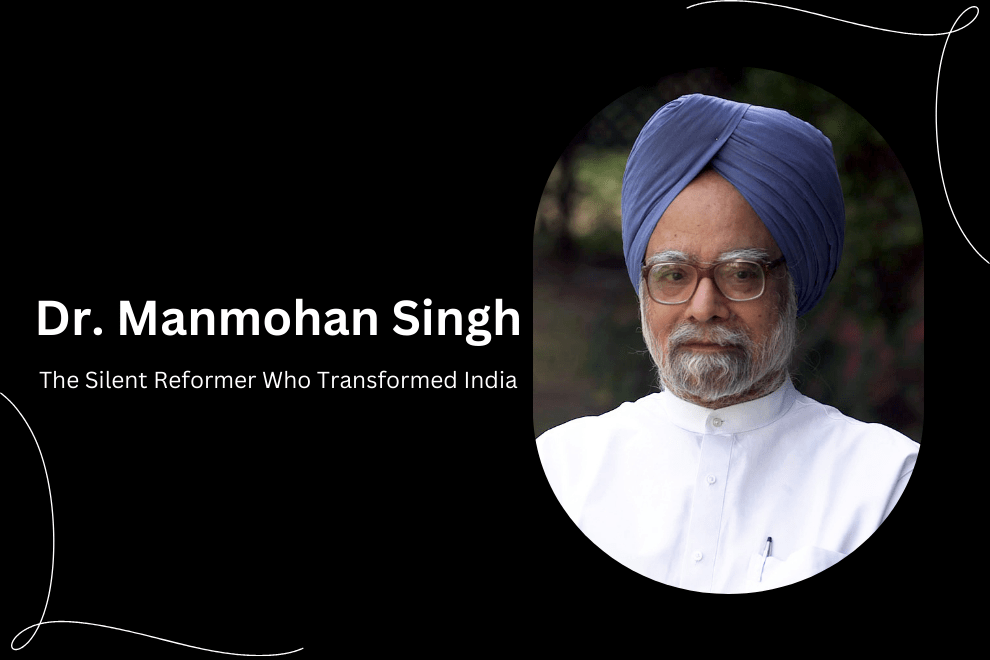
  • Dr. Manmohan Singh: The Silent Reformer Who Transformed India

    Dr. Manmohan Singh: The Silent Reformer Who Transformed India

    Dr. Manmohan Singh – the Silent Reformer, often referred to as the “architect of India’s economic reforms,” is one of the most distinguished leaders in Indian history. His contributions as an economist, policymaker, and Prime Minister have left an indelible mark on India’s development journey. Known for his humility, intellect, and steadfast dedication, Dr. Singh remains an epitome of silent leadership that delivered impactful results.

    A Scholar Turned Leader

    Born on September 26, 1932, in Gah (now in Pakistan), Dr. Singh’s journey from a humble village to the corridors of power is inspiring. A brilliant academician, he pursued higher education at Cambridge and Oxford, earning accolades for his work in economics. His scholarly insights laid the foundation for his illustrious career as an economist and later as a policymaker.

    The Economic ArchitectDr. Manmohan Singh

    Dr. Manmohan Singh’s most notable contribution came during his tenure as India’s Finance Minister from 1991 to 1996 under the leadership of Prime Minister P.V. Narasimha Rao. At a time when India was grappling with a severe economic crisis, he spearheaded a series of transformative reforms that opened up the Indian economy to the world.

    His policies included:

    1. Liberalization: Reducing government control over industries and encouraging private participation.
    2. Globalization: Opening Indian markets to international trade and investment.
    3. Privatization: Divesting government stakes in public enterprises.
    4. Fiscal Discipline: Tightening monetary policies to curb inflation and stabilize the economy.

    These reforms not only averted a financial disaster but also set India on a path of robust economic growth, earning him global recognition.

    The Prime Ministerial Legacy

    In 2004, Dr. Singh became India’s 14th Prime Minister, heading the United Progressive Alliance (UPA) government. He served two consecutive terms, making him the only Prime Minister after Jawaharlal Nehru to return to office after a full five-year term.

    During his tenure, Dr. Singh focused on inclusive growth, launching landmark initiatives such as:

    • MGNREGA: Providing guaranteed rural employment to millions.
    • Right to Education Act: Ensuring free and compulsory education for children.
    • India-U.S. Nuclear Deal: Strengthening India’s global position in nuclear energy.

    Despite facing challenges, including global economic downturns and political opposition, his leadership ensured steady growth and social welfare.

    The Silent Statesman

    Dr. Singh’s leadership style was characterized by quiet resilience and a commitment to consensus-building. He often let his work speak louder than his words, earning respect from allies and opponents alike. His integrity, coupled with a vision for a modern India, made him a role model for aspiring leaders.

    Challenges and Criticism

    Like any public figure, Dr. Singh faced criticism during his tenure as Prime Minister. Allegations of corruption within his government and the perception of being overly reticent dented his reputation. However, his personal integrity remained unblemished, and he is widely regarded as a leader who prioritized the nation’s interests above all else.

    A Lasting Legacy

    Even after retiring from active politics, Dr. Singh’s contributions continue to inspire. His vision for a self-reliant and globally integrated India remains relevant in today’s rapidly changing world. As a scholar, economist, and statesman, he has left a legacy of transformative leadership.

    
Dr. Manmohan Singh: The Silent Reformer Who Transformed India

    Dr. Manmohan Singh exemplifies the power of humility and intellect in leadership. His life and career remind us that even in the world of loud political rhetoric, silent and steadfast dedication can bring about monumental change. Through his economic reforms and progressive policies, he has etched his name in history as one of the most impactful leaders India has ever had.

    Despite facing criticism and political challenges, Dr. Singh remained a figure of integrity and respect. His quiet demeanor often masked the strength of his convictions, proving that leadership does not always require loud rhetoric but steadfast commitment to principles and action.