Tag: artificial intelligence

  • 2025: A Glimpse into the Future of Science and Technology a Innovation

    2025: A Glimpse into the Future of Science and Technology a Innovation

    Future of Science and Technology into 2025, the rapid advancements in science and technology promise to redefine the boundaries of human potential. From transformative medical breakthroughs to revolutionary advancements in artificial intelligence (AI), the year 2025 is poised to be a watershed moment in the history of innovation. Below, we explore some of the most exciting scientific and technological trends to watch in the coming year.

    1. Artificial Intelligence: A New Era of Sophistication

    AI continues to evolve, moving beyond automation to become a vital partner in creative, strategic, and analytical tasks. In 2025, generative AI tools are expected to become more sophisticated, capable of producing content indistinguishable from human creation. Advances in natural language processing (NLP) and machine learning will enhance conversational AI, making digital assistants more intuitive and human-like.

    Moreover, AI’s integration into industries such as healthcare, finance, and education will reach new heights. Predictive analytics powered by AI will allow businesses to forecast trends with unprecedented accuracy, while personalized learning platforms will cater to individual student needs, transforming education.

    2. Quantum Computing: On the Brink of Revolution

    Quantum computing is set to transition from experimental labs to real-world applications in 2025. With tech giants like IBM, Google, and Microsoft making significant strides, quantum computers will begin tackling problems previously deemed unsolvable.

    Fields such as cryptography, drug discovery, and climate modeling stand to benefit immensely. For instance, quantum algorithms could revolutionize material science, leading to the discovery of new superconductors and energy-efficient materials. Meanwhile, advancements in quantum encryption will set new standards for cybersecurity.

    3. Space Exploration: Beyond the Final Frontier

    The space industry is gearing up for a landmark year. NASA’s Artemis program aims to return humans to the Moon, laying the groundwork for a sustainable lunar base. Private companies like SpaceX and Blue Origin are also pushing boundaries, with plans for interplanetary travel and the establishment of Mars colonies.

    Furthermore, 2025 could see a surge in satellite-based technologies. From high-speed internet delivered via satellite constellations to Earth observation systems monitoring climate change, space technology will play a pivotal role in addressing global challenges.

    4. Renewable Energy: Powering a Sustainable Future

    The global push for sustainability will drive innovation in renewable energy technologies. Solar and wind energy systems are expected to become more efficient and affordable, thanks to advancements in materials science and energy storage solutions.

    Energy grids powered by AI will optimize resource distribution, reducing waste and ensuring reliability. Additionally, breakthroughs in hydrogen fuel technology and carbon capture systems will further accelerate the transition to a greener future.

    5. Biotechnology and Healthcare: A Paradigm Shift

    The convergence of biology and technology is reshaping healthcare. In 2025, personalized medicine will become mainstream, with treatments tailored to an individual’s genetic makeup. The rise of CRISPR and other gene-editing technologies will pave the way for cures to genetic disorders and advancements in cancer therapy.

    Wearable and implantable medical devices will offer real-time health monitoring, empowering individuals to take charge of their well-being. AI-driven diagnostic tools will enhance early detection of diseases, while telemedicine platforms will ensure healthcare accessibility, even in remote areas.

    As medical devices become smaller and more integrated, practical concerns about labeling — legibility in tight spaces, adhesive performance on difficult substrates like silicone, and resistance to repeated sterilization — are increasingly important for manufacturers and clinicians. Practical guidance on compliant, durable solutions can be found in resources covering FDA medical device labeling, which outline material choices, adhesives, and design tweaks for constrained surfaces. 

    Choosing the right film, ink and adhesive combination helps ensure barcodes and unique device identifiers remain readable after autoclaving or frequent cleaning. Bringing these considerations into early device design supports traceability and reliability in clinical settings.

    6. Autonomous Systems: Redefining Mobility

    Autonomous vehicles are set to revolutionize transportation. By 2025, self-driving cars, drones, and delivery robots will become more prevalent, supported by advancements in sensors, AI, and connectivity.

    In addition to improving safety and reducing traffic congestion, autonomous systems will transform industries such as logistics and agriculture. For example, autonomous farming equipment will optimize crop production, addressing food security challenges globally.

    7. Extended Reality (XR): Bridging Virtual and Physical Worlds

    Extended reality technologies, encompassing virtual reality (VR), augmented reality (AR), and mixed reality (MR), are expected to redefine how we interact with digital content. In 2025, XR will see widespread adoption across sectors such as gaming, education, and retail.

    Businesses will leverage AR for immersive marketing campaigns, while VR training simulations will become integral to workforce development. Additionally, XR platforms will foster collaboration in remote work environments, creating virtual spaces where teams can interact seamlessly.

    8. Robotics: Enhancing Human Capabilities

    The robotics industry is entering a new phase of innovation. In 2025, humanoid robots equipped with advanced AI will be capable of performing complex tasks, from caregiving to disaster response.

    Collaborative robots, or cobots, will work alongside humans in manufacturing and other industries, enhancing productivity and safety. Advances in soft robotics will also lead to the development of robots that can mimic human dexterity, opening up possibilities in surgery and other delicate tasks.

    9. The Internet of Things (IoT): Building Smarter Ecosystems

    IoT is expanding its reach, connecting billions of devices in an intelligent network. By 2025, smart homes, cities, and industries will become the norm, driven by the integration of IoT with AI and 5G technologies.

    Smart cities will leverage IoT to optimize traffic management, energy usage, and waste collection. Meanwhile, industrial IoT will enable predictive maintenance, reducing downtime and improving operational efficiency.

    10. Ethical and Regulatory Challenges

    While technological progress is exciting, it also raises important ethical and regulatory questions. In 2025, there will be increased scrutiny on issues such as data privacy, AI ethics, and the societal impact of automation.

    Governments and organizations will need to strike a balance between fostering innovation and protecting public interests. Collaborative frameworks and international agreements will play a crucial role in addressing these challenges.

    Science and Technology

    Embracing the Future of Science and Technology

    The year 2025 is set to be a pivotal moment in the trajectory of science and technology. As we stand on the cusp of these transformative changes, it is crucial to embrace innovation responsibly. By addressing ethical concerns and ensuring equitable access to technological advancements, we can harness the power of science and technology to build a better future for all.

    Embracing the future of science and technology is a pivotal journey toward innovation and progress. As we stand on the cusp of new advancements, the integration of cutting-edge research and technological breakthroughs promises to reshape industries, enhance our daily lives, and solve pressing global challenges.

    From artificial intelligence to space exploration, the possibilities are endless. By embracing this future, we open doors to unprecedented opportunities for growth, learning, and improvement in every facet of society. The potential to revolutionize medicine, energy, communication, and more is not just a distant dream, but a tangible reality within our reach.
  • 7 Key Differences Between Google Gemini and Google Assistant

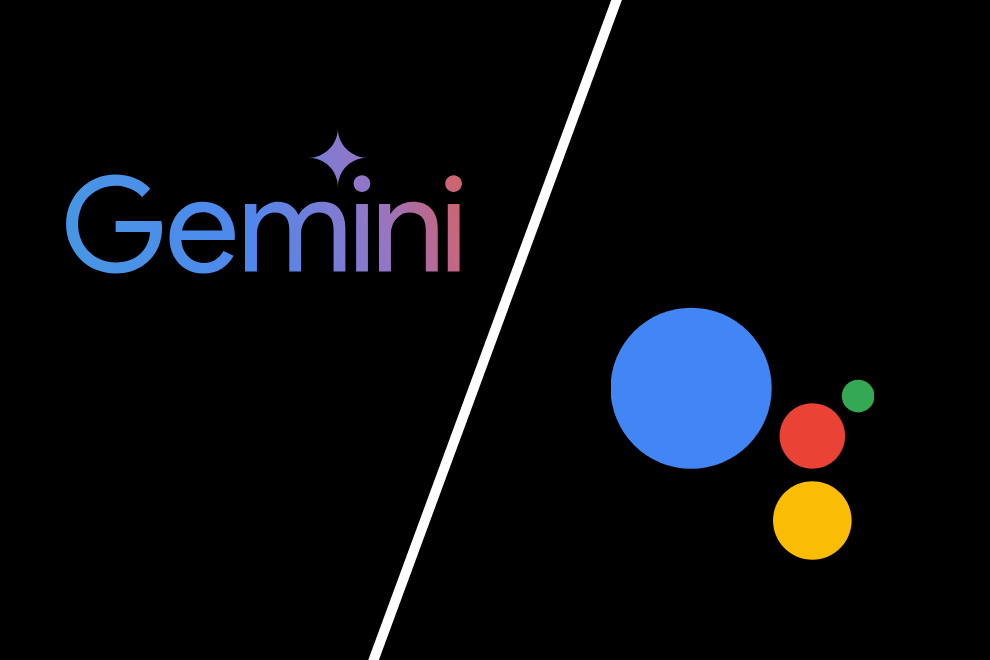
    7 Key Differences Between Google Gemini and Google Assistant

    The world of artificial intelligence (AI) is advancing at an unprecedented pace, with tech giants like Google leading the charge. Google Gemini and Google Assistant represent two significant AI offerings from the company, each catering to different aspects of user interaction and functionality. While both are rooted in Google’s AI ecosystem, they differ greatly in their purposes, capabilities, and impact. In this article, we explore seven key differences between Google Gemini and Google Assistant, helping you understand what sets them apart.

    1. Purpose and Core Functionality

    Google Assistant:

    Google Assistant is a virtual assistant designed to perform tasks, answer questions, and manage smart devices. Its primary focus is on providing personalized assistance through voice or text interactions. Whether you’re setting reminders, playing music, or checking the weather, Google Assistant is optimized for everyday tasks.

    Google Gemini:

    On the other hand, Google Gemini is Google’s next-generation AI model, designed to compete with OpenAI’s GPT series. Unlike Google Assistant, Gemini is a large-scale generative AI system capable of understanding and creating complex content. It focuses on natural language processing (NLP), content generation, and advanced problem-solving, making it suitable for developers, content creators, and businesses seeking AI-driven insights.

    Key Difference: Google Assistant is task-oriented and user-focused, while Google Gemini is a generative AI model designed for complex language processing and content creation.

    2. User Interaction Style

    Google Assistant:

    Google Assistant interacts with users primarily through voice and simple text commands. Its conversational capabilities are designed to be intuitive and straightforward, ideal for quick queries or commands.

    Google Gemini:

    Gemini offers a more advanced interaction style. It can handle detailed prompts and engage in deep, context-rich conversations. This makes it better suited for professional use cases, such as drafting documents, writing code, or providing detailed explanations.

    Key Difference: Google Assistant thrives on simplicity, while Gemini excels in handling nuanced, complex interactions.

    3. Integration and Accessibility

    Google Assistant:

    Google Assistant is deeply integrated into Google’s ecosystem, including Android devices, smart home products, and Google services like Gmail and Calendar. It’s designed for universal accessibility and ease of use across various platforms.

    Google Gemini:

    Gemini is more focused on specific applications like Google Workspace, developer tools, and third-party integrations. While it’s accessible via APIs for developers, it’s not as ubiquitously integrated into consumer devices as Google Assistant.

    Key Difference: Google Assistant is universally accessible for general users, whereas Gemini targets niche professional and business applications.

    4. Capabilities and Use Cases

    Google Assistant:

    • Managing daily tasks: reminders, alarms, and to-do lists.
    • Providing information: weather updates, trivia, and local news.
    • Controlling smart devices: lights, thermostats, and security systems.
    • Entertainment: playing music, podcasts, or videos.

    Google Gemini:

    • Generating detailed content: articles, reports, and creative writing.
    • Coding and debugging: helping developers with programming tasks.
    • Conducting research: summarizing data and providing in-depth insights.
    • Engaging in strategic planning: offering business solutions and advanced problem-solving.

    Key Difference: Google Assistant is built for convenience and daily tasks, while Gemini is engineered for advanced, professional-grade applications.

    5. Technology Behind the Scenes

    Google Assistant:

    Google Assistant is powered by traditional AI models optimized for real-time responsiveness. While it leverages NLP and machine learning, its focus remains on delivering accurate and fast results for everyday queries.

    Google Gemini:

    Gemini represents Google’s cutting-edge advancements in large language models (LLMs). It combines NLP, deep learning, and multimodal capabilities, allowing it to process text, images, and other data formats. This makes it far more versatile and powerful than Google Assistant.

    Key Difference: Google Gemini is built on advanced LLM technology, offering capabilities far beyond the scope of Google Assistant.

    6. Customization and Developer Support

    Google Assistant:

    Google Assistant provides limited customization options for users and developers. It’s designed to be a plug-and-play solution with minimal setup required, making it user-friendly but less flexible for developers.

    Google Gemini:

    Gemini offers extensive customization for developers through APIs and SDKs. Businesses can tailor Gemini’s functionalities to suit their specific needs, such as creating custom chatbots, automating workflows, or integrating AI-driven solutions into their products.

    Key Difference: Google Gemini offers greater customization and flexibility for developers compared to the standardized approach of Google Assistant.

    7. Pricing and Accessibility

    Google Assistant:

    Google Assistant is free to use and available on a wide range of devices. Its accessibility is a key factor in its widespread adoption.

    Google Gemini:

    Gemini is expected to be offered as a subscription-based service, particularly for businesses and developers. Pricing may vary based on usage, with options for enterprise-level support and premium features.

    Key Difference: Google Assistant is universally free, while Gemini targets premium users and enterprise clients with subscription-based pricing.

    Google Gemini and Google Assistant are distinct products catering to different audiences and use cases. While Google Assistant excels in delivering fast, user-friendly support for daily tasks, Google Gemini is a powerhouse for advanced content creation, professional problem-solving, and business applications. Understanding these differences can help you choose the right tool for your needs, whether you’re a casual user or a developer seeking cutting-edge AI capabilities.

    As Google continues to innovate, the potential for synergy between Gemini and Assistant is enormous. The combination of user-friendly virtual assistance with the power of generative AI could redefine how we interact with technology in the years to come.

  • 10 Highest Paying AI Jobs & Careers in 2024

    10 Highest Paying AI Jobs & Careers in 2024

    Artificial intelligence is the most promising career path today fueled by the Highest Paying AI Jobs. It is set by a heavy job growth of 32% in the last couple of years and a large talent gap, it signals strong demand for professionals with the right skill sets. Careers in 2024 include AI engineers, researchers, and specialists in natural language processing have average earnings of over $100,000. AI Jobs & Careers have shown the importance of the sector and related earning potential.

    It is a field that gives growth flexibility to professionals working in freelancing, consulting, or even product development. Furthermore, AI skills are easily transferable across industries, making this specialty highly versatile and suitable as a career choice. Software for AI applications has also entered the market, proving beneficial for related fields, including Reddit and medical fields. Careers in 2024 have changed drastically from the job industry that was prevalent a couple of years ago.

    Here are the 10 highest paying AI Jobs that’ll spark your interest.

    1. Machine Learning Engineer

    A machine learning engineer designs and deploys self-running software to automate predictive models. Basically, with the fast growth of the industry and more than 69,000 US job openings, this field has huge scope for careers amidst the ever-growing demand for AI expertise. The average annual salary for a Machine learning Engineer in the US is $109,143.

    2. AI Data Scientist 

    It is highly trained professionals proficient in extracting valuable insights from large datasets, and this helps the organization in its decision-making process. The outlook is very promising in this career field, with a 35% increase in jobs projected from 2022 to 2032. As of May 2023, the median annual wage is $108,020, and growing demand across industries for data-driven decision-making.

    3. Computer Vision Engineers

    Computer vision engineers are therefore tasked with designing solutions for real-world problems using computer vision and machine learning research. This means developing models and algorithms in a way that will eventually enable machines to read and understand visual data from images and videos. The average annual salary for a Computer vision engineer in the US is $140,731. With the requirements and skill set, It remains the  Highest Paying AI Job.

    4. Big Data Engineer/Architect

    The Big Data Engineer/Architect is crucial in designing, building, and maintaining infrastructure for processing and analyzing large-scale data, requiring technical proficiency, business acumen, and strong communication skills.

    Salaries range from $120,000 to $180,000 annually on average, with senior roles up to $250,000 and manager positions potentially reaching $350,000 per year. The field shows strong growth prospects, with a 21% job growth rate and projected salary increases of 10-15% shortly, making it a competitive and financially rewarding career path.

    5. NLP Engineer

    A NLP engineer designs and constructs computer systems that can process, understand, and generate languages like English, French, and Spanish. They develop algorithms, models, and applications that enable machines to understand and engage with human language more naturally and instinctively. 

    The average salary range of NLP professionals varies but pegs at $118,000 annually in the US, a clear indication of strong growth prospects in the realms of natural language processing and machine learning.

    6. Robotics Engineer

    The robotics engineer has to deal with the design, development, and maintenance of mechanical hardware and software for creating robots and automated systems that humans find difficult to do or hazardous. The field is also rapidly expanding—advances in automation and AI have called for projected job growth of 9% from 2020 to 2030, according to the Bureau of Labor Statistics, much faster than the average for all occupations. 

    7. Business Intelligence Developer

    A Business Intelligence Developer is a software engineer who combines data analytics with technical acumen in the preparation of Business Intelligence solutions. The solution encapsulates technical query tools, business analysis, and data visualization tools that help make an analyst’s work easier. 

    BI Developers try to deliver ease of access to, and ease of understanding of the business data and related tools of analysis to other colleagues, thereby saving time. The average annual salary for a Business Intelligence Developer in the US is $123,087.

    8. Business Development Manager

    A Business Development Manager would be an AI-focused professional entrusted with the mandate to identify and pursue new business opportunities for reception into an organization, to increase its financial receipts. This requires many skills at a go; among them is the execution of effective communication and multi-project management. The average annual salary for A Business Development Manager in the US is $131,802.

    9. AI Security Specialist

    An AI Security Specialist is responsible for developing and implementing security measures for AI-based technologies and systems. This includes conducting risk assessments, designing and deploying security measures, monitoring data networks for potential threats, and creating strategies to respond to and mitigate security incidents. The average annual salary for An AI Security Specialist in the US is $131,802.

    10. Blockchain Engineer with AI Specialization

    A Blockchain Engineer with AI Specialization overlaps the role of the blockchain developer with that of the artificial intelligence engineer. This specialization enables designing blockchain solutions using AI and ML to automate operations and enhance efficiency. The average annual salary for A Blockchain Engineer with AI Specialization in the US is $129,741.

    Conclusion

    Only five years ago, AI was very often associated with fears of huge job losses and machines taking over from human resources. Today, ChatGPT and AI advancements create numerous business benefits and new opportunities for job seekers.

    The Highest Paying AI Jobs revolve around computers, data analytics, and everything related to that. So it’s a nice option for the computer science majors and it increases work opportunities for everyone. AI is transforming our lifestyle and workplace, creating numerous high-paying careers such as AI engineers, big data analysts, data scientists, and business intelligence developers. There has never been a better time for one to pursue AI Jobs & Careers.  Even though there are controversies that oppose the usage of AI, one can hope for it to be beneficial as well.

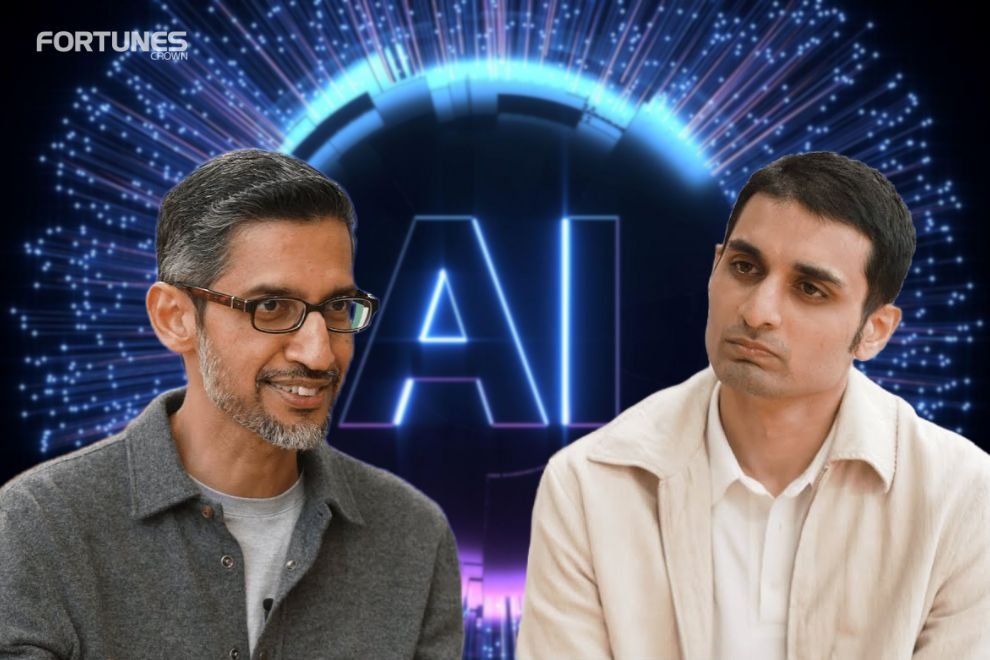
  • Sundar Pichai Discusses AI in India, Insights from Varun Mayya’s Interview

    Sundar Pichai Discusses AI in India, Insights from Varun Mayya’s Interview

    Sundar Pichai, Google’s CEO, recently sat down for an insightful interview with Varun Mayya, a prominent content creator known for his engaging discussions on tech and innovation. The conversation unfolded at Google headquarters in Silicon Valley, right after the conclusion of the company’s highly anticipated annual I/O developer event. This event, playfully dubbed “AI Coachella” by Mayya, gathered tech enthusiasts and industry leaders to explore the latest advancements in artificial intelligence and other cutting-edge technologies.

    Excitement and Insight on YouTube

    Mayya promptly uploaded the insightful 10-minute interview with Sundar Pichai on his YouTube channel. He eagerly anticipated the audience’s response to their in-depth discussion on AI advancements. 

    In his enthusiastic upload, Mayya expressed his profound excitement about the opportunity to explore the future of artificial intelligence with Pichai, a global tech leader. He emphasized India’s burgeoning potential to take the lead in this era of technological innovation. 

    Reflecting on their conversation held at Google I/O, he humorously analogized it to an exclusive podcast experience. “Wow, what an honor! I got to sit down with Sundar Pichai at Google I/O for an exclusive podcast!” Mayya exclaimed. His words captured the substance and depth of their dialogue about AI’s transformative influence on society and business.

    Pichai’s Wisdom on Deep Understanding

    During their engaging dialogue, Mayya highlighted a pressing concern within India’s competitive software engineering industry. He noted the prevalent focus on cracking prestigious FAANG interviews over mastering essential foundational skills. Recognizing this trend, Mayya sought Pichai’s seasoned advice on redirecting priorities toward cultivating a deeper understanding and readiness for future challenges.

    Pichai drew from his extensive experience and insight, emphasizing the critical importance of profound comprehension for achieving sustained success in tech careers. Channeling wisdom akin to the film “3 Idiots,” he elucidated the distinction between mere knowledge and genuine understanding. “Real success comes from understanding things more extremely,” Pichai asserted, urging engineers to adopt a transformative mindset that values deep understanding and innovation over surface-level achievements

    AI’s Influence on India’s Tech Ecosystem

    Their conversation expanded to explore the profound impact of AI on India’s dynamic market landscape. They highlighted the emergence of wrapper startups and the transformative potential of innovative AI applications set to reshape various industries. Delving into these topics, Pichai and Mayya discussed how AI-driven advancements are poised to drive significant economic and societal changes in India and beyond.

    Following its recent sharing, the interview quickly resonated with a broad audience, amassing over 60,000 views on YouTube. Enthusiastic viewers flooded the comments section with praise for Mayya’s insightful questions and Pichai’s valuable insights. “Varun, this is a fanboy moment for us as well,” one viewer commented, echoing the community’s excitement and appreciation for the interview’s depth and relevance. Another viewer lauded Mayya’s dedication and highlighted the interview’s significance at Google I/O. Profound discussions on AI’s future direction captivated attendees and online audiences alike.

    Beyond merely showcasing Sundar Pichai’s visionary outlook on AI’s potential in India, the interview underscored the profound impact of thoughtful and forward-looking discussions in shaping the future of technological landscapes. As worldwide interest in artificial intelligence continues to escalate, dialogues such as this one serve as pivotal catalysts for fostering innovation and driving transformative change across industries.

    The conversation between Pichai and Varun Mayya resonated beyond their immediate audience, sparking inspiration and provoking critical thinking among tech enthusiasts and industry leaders globally. By delving into the implications of AI advancements, they not only highlighted opportunities for growth and development but also addressed challenges and ethical considerations that accompany rapid technological progress.

  • Future of Education: Khan Academy’s Khanmigo AI!

    Future of Education: Khan Academy’s Khanmigo AI!

    There have been countless discussions about incorporating artificial intelligence (AI) into the classroom among educators and subject matter specialists. While others are suspicious of how it can encourage cheating and produce false results, Khan Academy sees the benefits. Khan Academy introduces Khanmigo, an AI instructor.

    The AI will be tested by more than 8,000 teachers and students. This AI-powered tool attempts to provide kids with tailored coaching and keep them interested with interactive elements. Khanmigo, which was first introduced in March to just 800 educators and students.

    Khanmigo enables students to chat with a growing number of AI-powered historical figures, including Martin Luther King Jr., and Cleopatra, as well as fictional characters like Hamlet and Winnie the Pooh.

    The Technical Benefits

    According to Kristen DiCerbo, chief learning officer at Khan Academy, who spoke to CNN, Khanmigo helps with a problem she has personally observed while observing a classroom in Arizona: when children learn something new, they frequently need specialized attention —more aid than one teacher can offer all at once.

    During a Khanmigo technology presentation for CNN, DiCerbo spoke with an AI-powered Dorothy from “The Wonderful Wizard of Oz” and described how users can assess Khanmigo’s responses in real-time and provide feedback if and when Khanmigo makes mistakes.

    Students can message the chatbot with questions or prompts like “I’d love to meet Christopher Columbus and the Khanmigo will talk as the personality, in turn giving history lessons.

    More on Khanmigo

    Khanmigo is equipped with knowledge going from history to current affairs. Khan Academy used OpenAI’s GPT-4 to create Khanmigo.

    In order to maintain Khanmigo’s positive tone and avoid providing students with the solution to their problems, the firm also put in place guardrails.

    A writing coach to help students build narratives is one of Khanmigo’s features, along with individualized assistance for resolving math, science, and humanities difficulties, a debate tool covering subjects like student debt cancellation and AI’s effect on the job market, and a tool for generating arguments. Additionally, it gives pupils the extraordinary chance to communicate with AI-powered historical and literary personalities.

    Concerns

    However, worries have been expressed over the potential for the chatbot tutor to be used as a means of cheating in the classroom. According to detractors, the AI’s speedy production of original replies can encourage pupils to plagiarize or provide false information.

    Additionally, despite the chatbot tutor’s occasionally comically erroneous responses, it offers students the chance to examine information critically and distinguish between correct and incorrect answers. To enhance analytical abilities and build a deeper comprehension of the subject matter, critical thinking is crucial.

  • Machine Learning in Finance: Is AI Going to Take Your Money Too?

    Machine Learning in Finance: Is AI Going to Take Your Money Too?

    It is like a weird and continuous knock-knock jokes the way artificial intelligence is making its way and knocking on the doors of every field and industry. The Artificial Intelligence and Machine Learning train’s new destination is the Finance industry. The keys to corporate success are sophisticated, intelligent security systems and efficient client services. In particular, financial institutions must use cutting-edge technology to keep ahead of the curve to optimize their IT and satisfy the most recent market demands. Machine learning in finance makes these services more accurate in drawing insights and making predictions.

    When enormous amounts of data are introduced into the system, machine learning tends to be more accurate when deriving insights and generating predictions. When it comes to everyday transactions, invoices, payments, vendors, and clients, for instance, the financial services sector frequently encounters vast amounts of data that are ideal for machine learning. Advanced machine learning in finance smoothens multiple transactions and processes.

    Machine learning is an application of artificial intelligence that focuses on creating systems that can access data sources and change their settings on their own to enhance user experiences. Computer systems do tasks in the background and provide results based on their programming. There have been multiple machine learning applications in finance that will help professionals and customers.

    Machine Learning in Finance is Here to Stay!

    While this might be a newer concept individually, Machine learning in finance has been around for a while. So the question isn’t “Can machines learn finance”, but how does advanced machine learning in finance work?

    Recently, machine learning has gained popularity in the banking industry as a result of the accessibility of enormous amounts of data and more accessible processing power. All facets of finance are using data science and machine learning significantly more.

    Building effective infrastructure, utilizing the appropriate toolbox, and employing the appropriate algorithms are all essential for machine learning to be successful in the banking industry. This book makes use of and illustrates the ideas associated with these machine learning in finance building elements.

    The cost of operating in the financial sector has decreased dramatically as a result of applications based on machine learning and AI. According to a survey, chatbots alone have reduced customer service expenses by 30%. Banks and financial institutions have used AI to conduct millions of online KYC verifications. The usage of these technologies has reduced the amount of paper used for record-keeping significantly because the majority of these processes are now digital.

    Algorithmic Trading

    The employment of algorithms to carry out deals automatically is known as algorithmic trading (or simply algo trading). Algorithmic trading, which dates back to the 1970s, is the use of automated preprogrammed trading instructions to make incredibly quick, objective trading judgments. This practice is also often referred to as automated trading systems, which is perhaps a more appropriate term.

    Algorithmic trading might go to new heights thanks to machine learning in finance. In addition to increasingly sophisticated methods being used and modified in real-time, machine learning-based techniques may also provide additional ways to get a unique insight into market movements.

    For good reason, the majority of hedge funds and financial institutions do not publicly discuss their machine learning-based trading strategies, yet machine learning is becoming more and more crucial to calibrating trading choices in real time.

    Flagging Cheaters

    For banks and other financial services providers, fraud is a big issue that results in annual losses of billions of dollars. Finance businesses typically store a lot of their data online, which raises the possibility of a security breach. With the development of technology, fraud in the financial sector is increasingly seen as a danger to sensitive data.

    As a result, the majority of businesses nowadays use machine learning to detect and stop illegal financial activities. Machine learning identifies unusual actions or abnormalities in huge data sets and flags them for further analysis by security experts.

    It determines if a flagged transaction is similar to the account holder’s behavior by comparing it to other data points, such as the customer’s account history, IP address, location, etc. The system may then automatically reject a withdrawal or purchase until a person decides, depending on the specifics of the transaction.

    Machine Learning Application in Finance

    By 2026, it is expected that the value of the worldwide market for machine learning solutions in finance would surpass USD 90.1 billion. The financial industry is always working on effective solutions and comprehensive features to increase the benefits it receives from the financial sector.

    Current machine learning applications in finance are now receiving a terrific ROI and more prospective customers thanks to the present apps.

    1. Automation In Finance

    Financial organizations gain from business process automation and streamlining in a variety of ways. For instance, businesses might utilize these technologies to automate repetitive operations like data entry and financial monitoring. Employees may now concentrate on tasks that genuinely call for human involvement thanks to this.

    2. Improve Customer Relations

    Customer interactions are one of the most realistic uses of machine learning in banking. Through on-demand assistance and real-time advice, finance businesses use ML technologies like chatbots to enhance the client experience. To speed up and simplify the process, insurance companies frequently automate customer onboarding and acquisition.

    3. Security Analysis and Portfolio

    Financial organizations gain from business process automation and streamlining in a variety of ways. For instance, businesses might utilize these technologies to automate repetitive operations like data entry and financial monitoring. Employees may now concentrate on tasks that genuinely call for human involvement thanks to this.

    Customer interactions are one of the most realistic uses of machine learning in banking. Through on-demand assistance and real-time advice, finance businesses use ML technologies like chatbots to enhance the client experience. To speed up and simplify the process, insurance companies frequently automate customer onboarding and acquisition.

    4. Trade Settlement Process Automation

    The trade settlement procedure can be laborious and prone to mistakes. Trades can occasionally even go wrong. Before machine learning was used in finance, office employees at financial institutions had to process trade failures, pinpoint the cause, and fix the problems. The use of machine learning (ML) systems that automatically identify problems and provide suggestions for their solutions has reduced this labor-intensive procedure.