Category: Technology

  • Meta AI’s “Imagine Me” Revolutionizes Custom Image Generation

    Meta AI’s “Imagine Me” Revolutionizes Custom Image Generation

    A month ago, Meta introduced its Gen AI feature, Meta AI, on WhatsApp, Instagram, Facebook, and Messenger in various parts of the world, including India. Recently, the Meta Store website shared that Meta AI has received an update on its AI-powered visualization feature.

    On July 24, 2024, the website highlighted that Meta AI, Meta’s AI-powered assistant across various platforms, now lets users generate custom images. 

    Just type ‘imagine’ before your prompts to create unique visuals. The most intriguing feature is ‘imagine me’.

    Create Custom Images Using Prompts

    According to the post, users can type prompts like “Imagine a tiger wearing a vest drinking tea at a cafe.” Consequently, the AI will generate a customized image based on this prompt.

    Specifically, it creates four images in response to each prompt, which must begin with ‘imagine’. Moreover, users have the option to edit, download, or regenerate these images with new or the same prompts, depending on their needs.

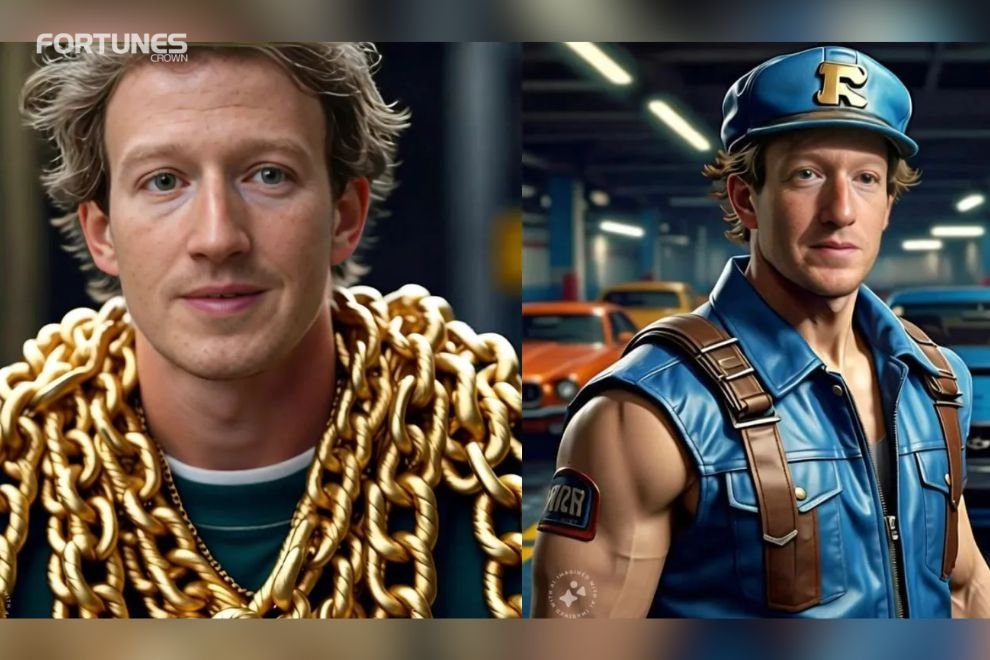
    Now, for the fun part: If users upload images to Meta AI through Facebook, Instagram, or WhatsApp, they can type “imagine me” to generate related visuals. For example, they might use prompts such as “Imagine me at the beach” or “Imagine me riding a horse.”

    “Imagine Me”

    Meta’s latest “Imagine Me” tool is powered by the Emu image synthesis model. The tool is currently available as a beta in the US. However, the company has announced that it will soon be expanded to the wider world, including India.

    Moreover, the editing options enhance the feature’s appeal. Users are enjoying the new photography tool by creating funny stickers, experimenting with brush effects, and exploring comic-style art. Additionally, it’s interesting to note that the company claims these pictures can also be used as display pictures.

    Powered By Llama 3

    It’s important to note that Meta AI is powered by the Llama 3 (Large Language Model Meta AI 3). Recently, the new generation Llama 3.1 launched with enhanced capabilities, comparable to OpenAI’s latest GPT-4. 

    The Llama 3.1 model features multi-modal capabilities, allowing it to understand queries in text, images, and audio, and respond in the same format. Consequently, it can handle complex user queries and provide clear, real-time information. Additionally, Meta revealed that Meta AI now supports Hindi in India, enabling Indian users to request tasks as complex as coding in their native language.

    “Imagine Me” Is a Part of a Bigger Plan

    Zuckerberg’s multinational technology conglomerate, Meta Platforms Inc., formerly known as Facebook Inc and TheFacebook Inc, was founded 20 years ago in 2004. Back then, when Facebook’s initial public offering occurred in 2012, features like “Imagine Me” were unimaginable. However, today we’re writing prompts for Meta AI to generate custom images.

    This feature is part of a broader update to Meta AI. Currently, Meta AI supports seven languages, including French, German, Hindi, Hindi-Romanized script, Italian, Portuguese, and Spanish. It’s available in 22 countries such as Argentina, Chile, Colombia, Ecuador, Mexico, Peru, and Cameroon. Meta aims to increase the number of languages that Meta AI supports and expand the service globally.

    As mentioned, the “imagine me” feature is in beta mode. However, the company plans to provide bi-weekly updates to its AI. Next month, Meta will introduce an “Edit with AI” button, further simplifying photo editing.
  • Elon Musk To Start Deploying Optimus Robots In Tesla Factories

    Elon Musk To Start Deploying Optimus Robots In Tesla Factories

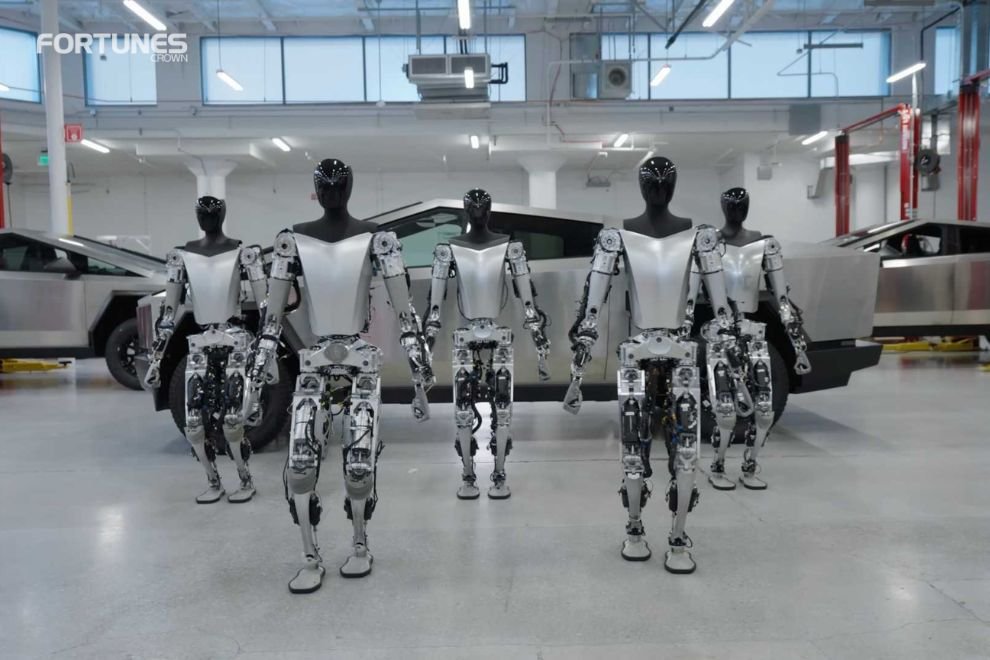
    Elon Musk is set to make history in the business world once again. After launching Starlink in Indonesia, He shared on X (formerly Twitter) on Monday, July 22nd, that Tesla plans to start “low production” of humanoid robots next year for internal use. Moreover, he mentioned that the Tesla robot, Optimus, will soon handle factory tasks and could be available for purchase by the end of 2025.

    A year ago, Elon Musk stated that “Tesla was never about cars.” He emphasized that cars are just a stepping stone. Musk further revealed that his real ambition for Tesla is a humanoid robot called Optimus. A robot powered by AI to walk and move like a human. Musk believes Optimus will become Tesla’s biggest money-maker in the future.

    Tesla’s Optimus: Costumes To Humanoid Robot

    Optimus robot is named after Optimus Prime from “Transformers,” a science fiction film series. Tesla first introduced the humanoid in 2021 at Tesla AI Day, where a person in a robot costume broke into a dance. The following year, the company showcased a real robot that walked on stage and waved to the audience. Moreover, the company says the 5’8″ robot is built to handle “boring, repetitive, and dangerous” tasks. The company aims to price it at around $20,000 per unit.

    Additionally, Musk tweeted, “Tesla will have genuinely useful humanoid robots in low production for Tesla internal use next year and, hopefully, high production for other companies in 2026.”

    Towards A Robotic Era 

    Companies like Honda and Boston Dynamics have developed humanoid robots for years to address labor shortages and repetitive tasks. While these robots have been helpful in logistics and manufacturing, they face challenges with movement and understanding, potentially impacting their functionality.

    Although robotics experts find the technology basic, they appreciate the affordable and accessible hardware. According to these experts, these robots are best used in settings where they don’t interact with people. In these settings, the failures will have minimal consequences, according to experts. 

    Optimus In The Factory 

    According to Musk’s tweet, Tesla will first use the Optimus robots in their factories. Ahead of the shareholder vote on Elon Musk’s pay package, Tesla shared on X that since 2018, they’ve deployed two Optimus robots, which are now working autonomously in the factory.

    Additionally, Musk frequently posts on X about the small tasks Optimus can perform, such as folding a shirt.

    Impact On Jobs 

    Robotics began in the auto industry with the Unimate arm at General Motors in the 1960s. Since then, robots have evolved greatly. Now robots are widely used, with millions deployed globally. In 2022, there were 151 robots per 10,000 workers worldwide, with even higher numbers in the U.S.

    As robotics advance, concerns about job displacement have grown. For instance, Bill Gates has predicted that AI-powered robots could soon be more cost-effective than human workers, potentially replacing many blue-collar jobs.

    However, despite being designed to mimic human tasks, robots lack human experiences and the quick adaptability of the human brain, which designs them.

  • Elon Musk and X Clash with EU Over Digital Regulations

    Elon Musk and X Clash with EU Over Digital Regulations

    Elon Musk and his social media platform, X, are embroiled in a contentious dispute with the European Commission regarding compliance with the Digital Services Act (DSA), marking a pivotal moment in tech regulation.

    Allegations of an “Illegal Secret Deal”

    Musk accused the European Commission of attempting to strike an “illegal secret deal” with X, suggesting that compliance could have been ensured through quiet censorship without public disclosure. Musk contended that X rejected this approach, unlike other platforms that allegedly accepted similar terms.

    The European Commission formally charged X under the DSA, citing violations related to transparency and misinformation. This legislation, enacted earlier this year, aims to hold major platforms accountable for safeguarding users and removing harmful content.

    In response to the charges, Musk vowed to challenge the Commission’s allegations in court, signaling a forthcoming legal battle over the interpretation and enforcement of EU digital regulations.

    Key Provisions of the DSA

    The DSA mandates platforms like X to ensure transparency in their operations, combat misinformation, and maintain accessible databases for digital advertisements. Non-compliance could result in substantial fines, potentially amounting to 6% of global revenue.

    Margrethe Vestager, European Commission Executive Vice President, criticized X for misleading users and failing to adequately manage its advertising repository. These preliminary findings underscore regulatory concerns about digital transparency and user protection.

    The charges against X set a precedent for other major platforms operating in the EU, including Facebook and YouTube, which are also under scrutiny for compliance with the DSA. The outcome of this case could influence future regulatory frameworks globally.

    Musk’s Defiance and Commissioner’s Rebuttal

    Musk’s public defiance was met with a rebuttal from the European Commissioner for Internal Market, Thierry Breton, who denied the existence of any secret deals. He clarified that regulatory procedures allow platforms to propose settlements but reiterated the Commission’s commitment to transparency and legal due process.

    As X prepares for legal proceedings, the dispute highlights broader debates about free speech, digital governance, and corporate responsibility in the digital age. The case is poised to attract significant public and media attention as it unfolds in European courts.

    The clash between Elon Musk’s X and the European Commission over DSA compliance underscores the complexities of regulating tech giants in an increasingly digital world. As both sides prepare for a legal showdown, the outcome will likely shape the future landscape of digital regulation and governance, influencing policies and practices across global tech industries.

  • Samsung Controversy Over Apple-Like Designs Sparks Debate

    Samsung Controversy Over Apple-Like Designs Sparks Debate

    Samsung’s ‘Galaxy Unpacked’ event on July 10 showcased a lineup of cutting-edge gadgets, from smartphones to wearables. However, the event sparked controversy as tech enthusiasts noticed a striking resemblance between Samsung’s latest offerings and Apple’s iconic designs.

    The Apple Influence

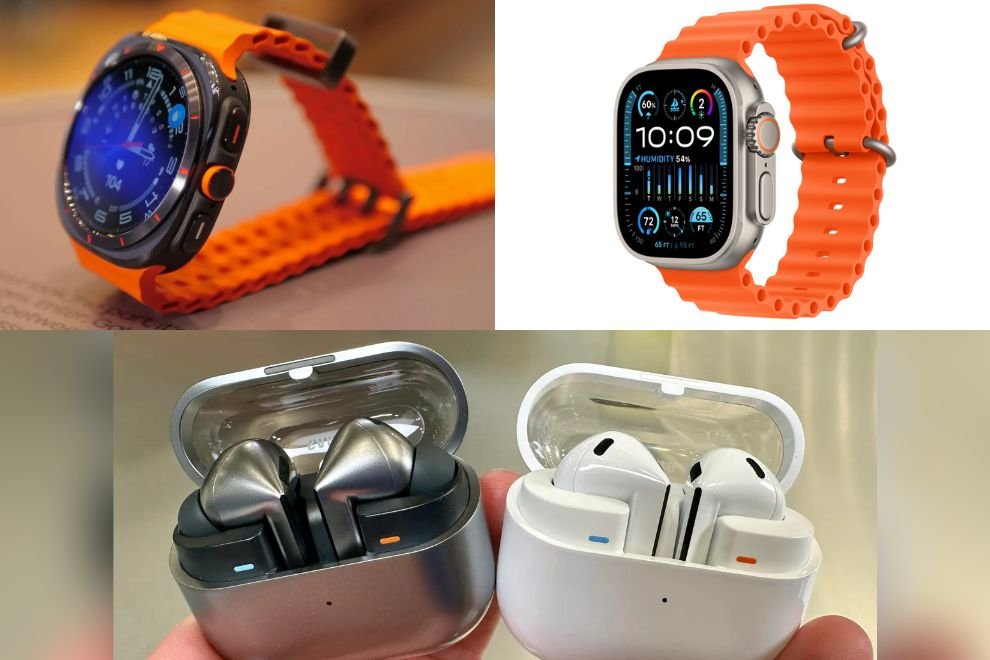
    Critics, including tech outlets and social media users, quickly pointed out that some of Samsung’s flagship products seemed to bear a significant resemblance to Apple’s offerings. This resemblance was particularly evident in the design of the new Galaxy Watch Ultra and Galaxy Buds 3 Pro.

    The Galaxy Watch Ultra, set for release on July 24, drew attention for its titanium build, orange “Quick Button,” and “marine” band option. Priced at $650, it’s clear Samsung is targeting consumers who appreciate Apple’s aesthetic but prefer Android functionality.

    Samsung’s Galaxy Buds 3 Pro also took cues from Apple, with a redesigned shape reminiscent of AirPods Pro. Priced similarly at around $250, these earbuds feature touch controls and were designed based on extensive user feedback to ensure comfort and functionality.

    Strategic Considerations

    While Samsung aims to appeal to Android users who admire Apple’s design prowess, critics argue that this strategy may blur brand distinctions. Observers fear that such close emulation could dilute Samsung’s unique identity in the marketplace.

    In response to criticisms, Samsung defended its design choices, emphasizing considerations of comfort, usability, and durability. The company stated that its products are tailored to meet diverse user needs, though it did not directly address allegations of imitation.

    Despite the controversy, Samsung continues to innovate in other areas, such as its foldable phones. At the Unpacked event, Samsung unveiled new Galaxy Z Fold and Z Flip models, showcasing its ongoing commitment to pushing technological boundaries.

    The Industry’s Copycat Culture

    In the tech industry, competition often sparks a cycle of innovation and imitation between major players like Samsung and Apple. Both companies have a history of drawing inspiration from each other’s designs and features, showcasing the dynamic and competitive nature of the consumer electronics market.

    Following Samsung’s recent Unpacked event, the discussion around innovation versus imitation has intensified. Samsung must navigate the aftermath by balancing meeting consumer preferences and preserving its brand integrity and unique identity in a saturated marketplace.

    This challenge is compounded by the rapid pace of technological advancement and the constant pressure to introduce novel features while staying relevant and competitive. As Samsung evaluates its next moves, it faces crucial decisions on innovating authentically while responding to market trends and competitive pressures.

  • South Korea’s First Robot “Suicide” Due To Excessive Workload

    South Korea’s First Robot “Suicide” Due To Excessive Workload

    In an unexpected turn of events, a civil servant robot working for the Gumi City Council in South Korea apparently “committed suicide,” leading many into confusion. This incident is being termed the country’s first “robot suicide.”

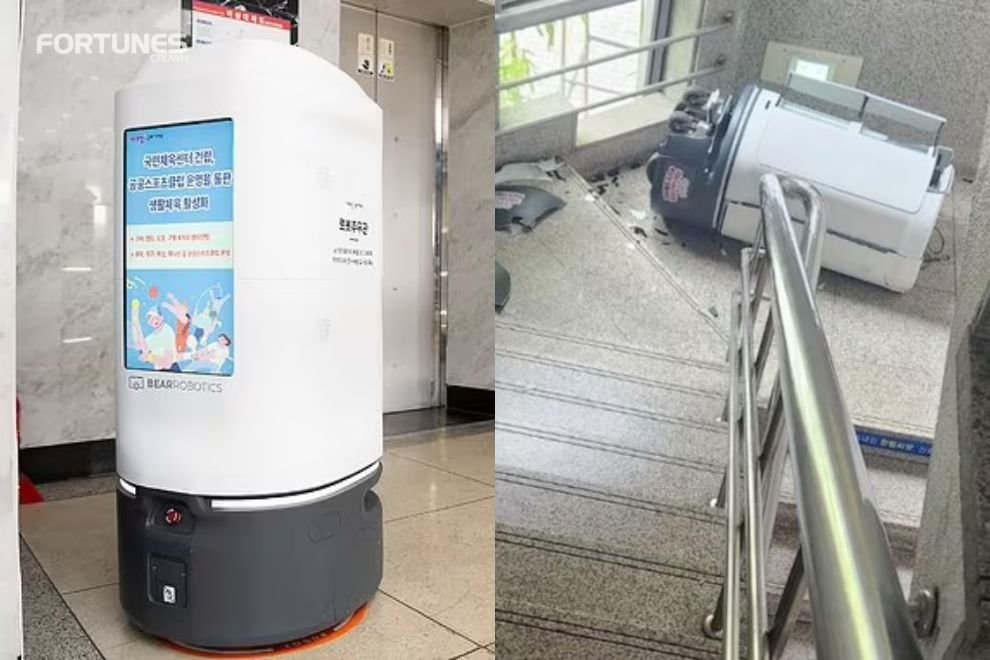
    It said that a robot threw itself down a flight of stairs for unknown reasons. Reports from the Gumi City Council said scattered parts of the robot, called Robot Supervisor, were found under the stairs on June 26. This was between the first and second floors of the council building.

    Daily Routine of the Robot Supervisor

    According to a report in the Daily Mail, this Robot Supervisor used to be one of the hardest-working employees of the Gumi City Council: working from 9 am to 6 pm, every day. It never was late, always diligently performing the tasks delegated to it. The robot did its job well, was efficient, and never late—a dependable cog in the council workforce.

    The robot seemingly suffered from an overload of labor, the Daily Mail reports. According to the eyewitnesses, and residents, before the fall, the robot continued circling in the same place for a very long period. After that, it suddenly jumped down. From such behavior, one could draw a picture that the robot was probably over-pressed by its working assignments. The culprits behind this incident remain under investigation.

    Investigation and Public Reaction

    A special investigation team has collected the pieces of the robot. This would be analyzed by the company. The people were very fond of the robot employee. It used to deliver various types of government papers to the residents. It also provided information to people. The Robot Supervisor had mingled with the people so well that its sudden “suicide” was even more shocking.

    In August 2023, the appointed Robot Supervisor became the first robot appointed as an officer. The California robot startup, Bear Robotics, developed it, and it had a card like any civil service officer. This robot presented a massive leap in AI and robotics integration into public service roles.

    The incident posed several questions about the implications of robot “suicides” and the potential impact of work pressure on artificial intelligence. If robots are only designed to act as assistants to humans, would they experience stress and burnout? This case tilts back to prefer another style of management and monitoring concerning AI systems at work in stressful environments.

    Future of Robots at Work

    With the investigations going on, members of the public remain fascinated and worried about how robots will contribute to the workplace in the future. This might trigger companies and institutions to adopt monitoring systems that are keen on AI. Making sure that robots do not break down in handling their work is very necessary. This incident also calls for ethical concerns while implementing robotics and AI.

    The Gumi City Council robot incident has Dundas dilated a bigger issue: the relationship between robots and work pressure. This goes on to prove that even the most advanced AI systems in the world could have problems similar to human beings. With the integration of robots into our lives, their well-being and functionality are important to ensure that such an incident does not occur again.

  • Microsoft Mandates China Staff to Use iPhones Instead of Androids

    Microsoft Mandates China Staff to Use iPhones Instead of Androids

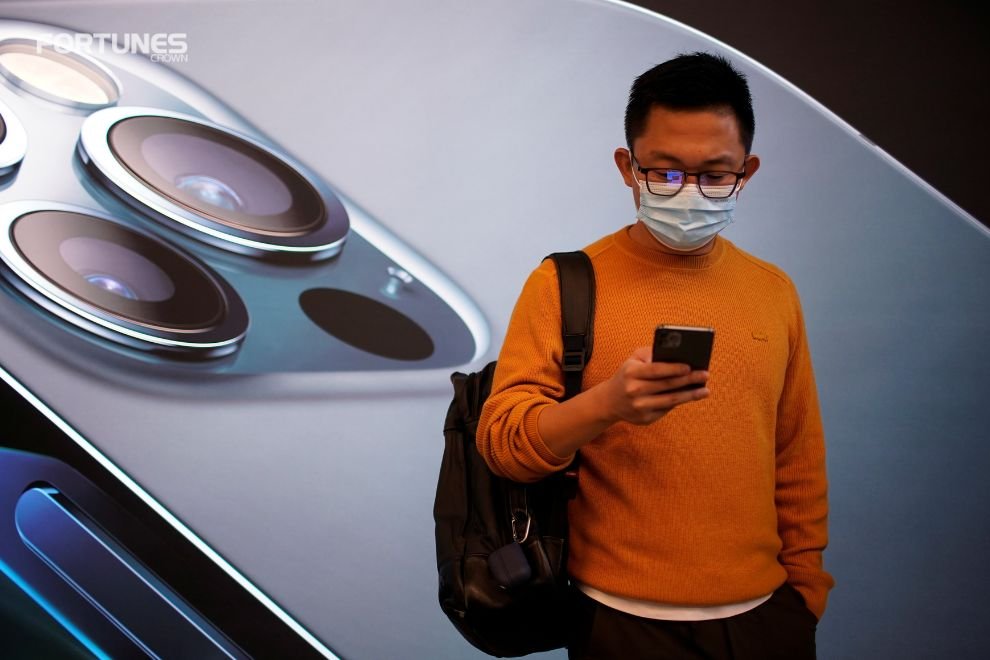
    Microsoft has mandatorily ordered all its employees based in China to use iPhones for work. The reason cited by the company for this abrupt change was cybersecurity concerns associated with Android devices.

    There has been quite a backlash following the news regarding the September policy. A lot of hostile comments have been received from Chinese social media users who use local Android brands. Because Google could not operate in China, companies like Microsoft had to make drastic changes in their strategies. Google pulled out from China in 2010 over censorship wrangles. That was at the time mobile services were taking off.

    Global Cyber Security Initiative

    The move of Microsoft is in line with the global cybersecurity effort. They want to prevent hackers from accessing the employee data. As per the South China Morning Post, staff now needs to authenticate their identity using the Microsoft Authenticator and Identity Pass apps. It mentioned that these two applications are necessary for secure sign-in experiences. Such applications are only available on the Apple App Store and Google Play Store.

    Since GMS is not available in China, Microsoft has agreed to use iPhones for its employees. This will ensure there are no struggles with the security apps. An iPhone 15 will be provided to those using Android. This one-time installation is to assist staff in smoothly transitioning to the devices. This is to ensure that all workers in the security tools given are accessible. 

    Distribution Nationwide in China

    The devices would be available for pickup at multiple hubs in China; this also includes Hong Kong. In Hong Kong, Google services are readily available, and it follows that distribution is easier.

    SCMP reports that the iPhone-only mandate has caused an uproar among Chinese social media users. One post relating to this new mandate by Microsoft got over 27,000 comments on Weibo. Most of these were angry reactions towards this move. They have told Microsoft to consider Huawei HarmonyOS.

    This mandate has come at such a time when geopolitical tensions between the US and China are high. In the past couple of years, the number of Chinese government-backed firms and agencies that have banned the use of foreign-made devices for work purposes, citing security reasons, has increased. In April, Apple’s iPhone sales plunged 19.1 percent while Huawei’s surged 69.7 percent after the recent launch of premium smartphone models.

    Secure Future Initiative

    It’s a new policy strictly for iPhones as part of its Secure Future Initiative, a broader program to Bloomberg. Informed sources explain that the initiative was launched in November 2023 and reflects Microsoft’s biggest security revamp in two decades. This aims at minimizing vulnerabilities in the cloud, better protection of employees’ credentials, and compulsory multifactor authentication.

    Response to Cyberattacks

    This is after successive cyberattacks; one of which was a major hit identified to be the work of Russian state-sponsored hackers that shook scores of United States government agencies. These increased risks and geopolitical pressures have made Microsoft offer to relocate 700 to 800 employees. These are employees who have been working on AI and may be relocated from China to other markets.

    Requiring China-based employees to use iPhones falls under strategic highlighting by Microsoft. It emphasizes the commitment being made in the company toward keeping cybersecurity concerns at a high point amid growing tensions between the nations.

  • How Can Radioactive Isotopes Stop Rhino Poaching?

    How Can Radioactive Isotopes Stop Rhino Poaching?

    South African biologists and other scientists have come up with a new way to prevent poaching while allowing rhinos to retain their horns but with greater protection.

    Earlier, it was thought that capturing a rhino and taking away its horns would deter the poachers. However, the removal of the horn changed the social structure drastically and led to alterations in the natural behavior of the animals, thus raising several concerns about their health and conservation.

    Introducing Radioactive Isotopes

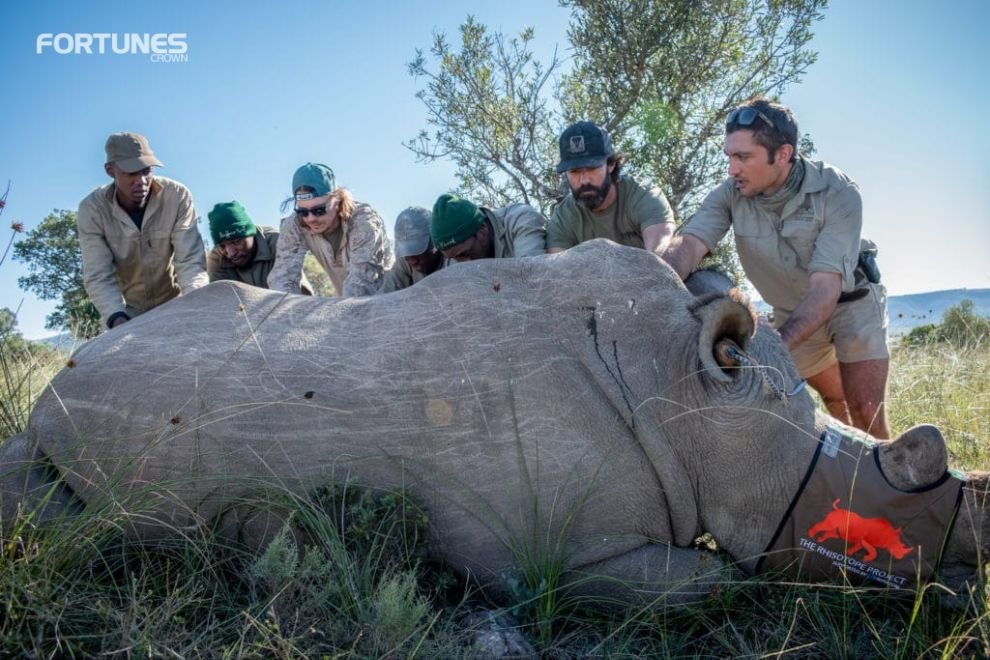
    In a move to try and restrain this, radioactive isotopes have been inserted into the horns of rhinos in a Limpopo northern province nursery. Radiation from the isotopes is meant to brand anyone handling a rhino horn at border crossings to enable the tracking and intercepting of trafficked horns.

    This technique of embedding radioactive isotopes provides a better way of tracking. Even if the tracker is removed, the radiation stays on the horn and everything it comes into contact with, thus making sure that the journey of the horn is traceable and can always be monitored.

    Implementation by Nuclear Researchers

    Researchers have injected the isotopes into 20 live rhinos at the Radiation and Health Physics Unit of the University of the Witwatersrand in South Africa. In an exclusive interview with Africa News, Professor James Larkin, who is leading this project, described the benefits that are accruable from this approach. 

    “Well, we avoid all of that because it makes it much easier to intercept these horns as they’re being trafficked across international borders,” Larkin said. “There is a global network set up to monitor nuclear terrorism material, and we’re piggybacking off that.”

     Urgent Need for Innovation

    He also added that they need new ways of preventing poaching as the current measures have their limits. Year after year, the country still loses hundreds of rhinos to poachers.

    According to Professor Nithaya Chetty, the science faculty dean at Witwatersrand, the dosage of the radioactivity used is very low. They had done extensive tests to ensure that it would have a very negligible impact on the animals—the health and safety of the animals remain on top priority.

    Combatting Myths and Demand

    While elephant ivory is sought after due to its exotically raw material, rhino horn is primarily trafficked to organized crime syndicates in Asia. They benefit from the mistaken belief that rhino horns have healing powers that condition illegal demand and put rhino populations in severe danger.

    The application of radioactive isotopes to rhino horns gives a new meaning to the conservation efforts for wildlife. With sophisticated technology and the existing global infrastructure at one’s beck and call, researchers working in unison in South Africa are doing several things right to protect these magnificent creatures from the menace of poaching and securing their longevity for posterity.

  • India’s Bajaj Launches World’s First CNG Motorcycle: Freedom 125

    India’s Bajaj Launches World’s First CNG Motorcycle: Freedom 125

    Bajaj Auto is back in the race of innovation with its world’s first CNG motorcycle, Freedom 125. On 5 July 2024, Bajaj displayed the bike that would be an amalgamation of performance and economy with eco-friendliness. With an attractive starting price of Rs. 95,000, the Freedom 125 will be a game-changing motorbike for city rides.

    Engine and Performance

    The Freedom 125 has a brawny 125cc engine that shells out 9.5 hp of power and 9.7 Nm of peak torque. This clearly states that the bike will not only give economical runs but also would not leave a dent in the performance arena. The dual fuel running capability of the Freedom 125 empowers riders to switch between petrol and CNG on the move without any hassle. Thus, making the overall ride experience flexible and convenient.

    Of the things that honestly mattered about Freedom 125, one is its combined range. It comes with a 2-liter petrol tank and a 2 kg CNG gas tank for an overall reach of 330 km. Give it an excellent ride for both everyday travel and long drives. It lets one reduce a lot of stress from frequent stops to refuel.

    Environment Interaction

    In an era when carbon footprints matter most, Freedom 125 comes a step ahead with its sterling emissions performance. This bike emits 26 percent less carbon dioxide and 43 percent fewer nitrogen oxides than other petrol-run motorcycles. This makes it, therefore, an eco-friendly option in pollution-ridden cities for cleaner air and a healthier environment.

    Variants

    Bajaj launches Freedom 125 in three variants to serve the varied requirements and pockets of the buyer. They are: 

    1. NGO4 Drum: This base variant, for Rs 95,000, serves basic features and comes for the price-conscious customer.
    2. NGO4 Drum LED: A step up from the base model, this variant includes additional LED lighting features for improved visibility and aesthetic appeal.
    3. NGO4 Disc LED: This top-spec variant gets disc brakes with advanced LED lighting and commands a price tag of Rs 1.10 lakh for enhanced safety and more premium features.

    Currently, Freedom 125 is open for booking in the states of Maharashtra and Gujarat. Deliveries of this vehicle are expected to start within a short while. Bajaj has planned to launch the bike in other parts of India in the early half of the next quarter, making it available nationwide. This is a staggered launch that the company has carefully planned to ensure they can meet the high demand likely to be attracted by their innovative motorcycle.

    Key Features

    One of the main features of the Freedom 125 would be the positioning of this CNG cylinder under the single seating arrangement; this will ensure that the bike’s aesthetic value is retained and the overall safety assurance. Extensive testing on this bike through a crash test has been done, and there has been no single case of damage or gas leakage, thus proving the safe riding criteria of Bajaj.

    Refueling in the Freedom 125 has been made convenient and can be easily accessed from the CNG and petrol refueling respectively, through the same fuel cap cover. This ensures that there are no hassles to confuse the refueling riders when they are using one fuel and then shifting to another. This type of thoughtful design should enhance the overall user experience.

    The introduction of the Freedom 125 by Bajaj Auto is a radical step ahead in developing motorcycles. In doing so, Bajaj has made the conventional two-wheeler more economical and environmentally friendly with CNG technology and set a new benchmark in the industry. With competitive pricing, an extensive range, and innovative features, Freedom 125 is sure to become one of the top choices for urban commuters seeking a sustainable and cost-effective mode of transportation.

    In a world heading green, Freedom 125 becomes a testament to Bajaj’s vision and the supremacy of its engineering. If successful, this bike can further aid in entering more CNG-run two-wheelers into the market and accelerate the shift towards green, sustainable transportation.

  • Deaf Fans Can now ‘Feel’ Stadium Atmosphere with Sensory Sound Shirts

    Deaf Fans Can now ‘Feel’ Stadium Atmosphere with Sensory Sound Shirts

    Now, deaf fans can ‘feel’ the electric atmosphere thanks to sensory ‘sound shirts’ that have been discovered. The roar of the crowd reacting to a match-clinching goal is unforgettable as the deaf fans grasp the sounds

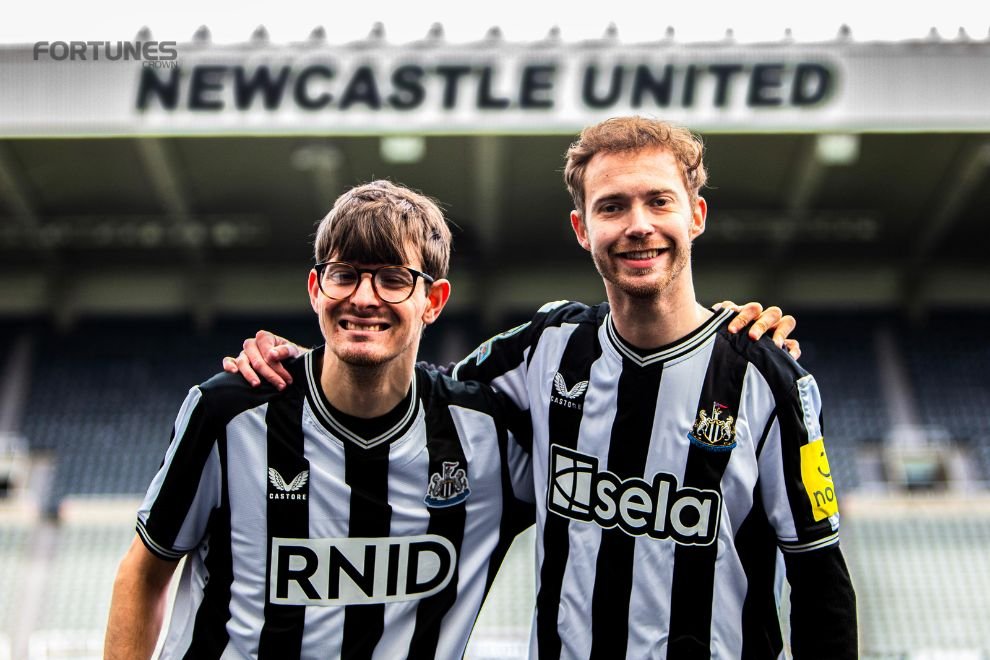
    Newcastle United’s kit sponsor, Sela, has now developed its world-first technology that helps deaf people understand the sound around them. They collaborated with the Royal National Institute for Deaf People (RNID) to make live football more accessible for people with hearing loss. 

    How It Works, Converting Sound into Touch

    Microphones placed around St James’ Park concert stadium noise into digital sound. The data is transmitted wirelessly to shirts equipped with haptic technology. This technology recreates stadium noise as a touch sensation, similar to the feedback from typing on a phone.

    This innovation is part of the Unsilence the Crowd campaign. The initiative aims to provide an inclusive football experience for deaf fans. Research by RNID found that almost three-quarters of people with hearing loss believe haptics can enhance their match-day experience.

    Real-Life Impact: Fans’ Reactions

    Lifelong Magpies fans David Wilson and Ryan Gregson were among the first to test the kit. They watched their team defeat Tottenham 4-0 in April and declared it a huge win. “For the first time, I felt included 100%,” said Gregson, through a sign language interpreter. “Experiencing the noise through vibration was just wonderful.” Wilson added, “I’ve never felt anything like it.”

    Haptics on different areas of the shirt signify specific crowd reactions. Vibrations in the shirt sleeves mean the home team is singing. Buzzing in the back of the shirt indicates an away goal. “It was very quiet round the back,” Gregson jokes.

    Sela, a Saudi Arabian events and marketing company, will now offer the technology at all Newcastle home games. They hope more clubs will follow their lead. 

    A Call to Action for the Football Community

    Sela VP Ibrahim Mohtaseb said, “We would welcome the whole football family to join us by adopting the technology. By acting now, we can collectively make watching live football matches an incredible experience for everyone who loves the game.”

    Teri Devine, director for inclusion at RNID, added, “One in five adults in the UK are deaf or have hearing loss. But people often face barriers in everyday life, including live sports events. It’s fantastic to see Sela and Newcastle United championing this technology. It has the potential to have a real and lasting impact on how people who are deaf and have hearing loss experience live sports.”

    The sensory ‘sound shirts’ are revolutionizing the football experience for deaf fans. With continued support and adoption, this technology can ensure that everyone feels the excitement of live football matches. The Unsilence the Crowd campaign is a significant step towards inclusive sporting events.

  • ChatGPT-4 in Apple’s Ecosystem, Elon Musk Expresses Open Opposition

    ChatGPT-4 in Apple’s Ecosystem, Elon Musk Expresses Open Opposition

    Much news about the advancement of ChatGPT through various popular platforms has surfaced recently. At Apple’s worldwide developers conference (WWDC) on Monday, Apple kept the onlookers in suspense as they revealed a major deal with open AI. Meanwhile, they speculated on the possible Apple ecosystem changes they were leaving us to consider.

    At its annual event, Apple announced its new AI initiative, Apple Intelligence. This project will include AI-powered updates to Siri and several native Apple apps.

    Siri Gets Smarter, Apple’s Collaboration with OpenAI Revealed

    As the keynote address drew close, Apple revealed a substantial partnership with OpenAI. In its upcoming systems in iOS 18, iPadOS 18, and macOS Sequoia, the company will incorporate ChatGPT-4.

    Craig Federighi, Apple’s Senior Vice President of Software Engineering, emphasized the company’s intent to provide users access to both its AI and “external models.” “We’re starting with the best of these, the pioneer and market leader ChatGPT from OpenAI,” Federighi said. He demonstrated that Siri would be able to “tap into ChatGPT’s expertise when it might be helpful,” with this feature available to users at no additional cost. Additionally, Users can disable access to the AI chatbot if they prefer.

    OpenAI CEO Sam Altman expressed his zeal on social media platform X. He stated that he’s “very happy to be partnering with Apple to integrate ChatGPT into their devices later this year!”

    This association had been widely anticipated following a Bloomberg report that revealed the news the previous week.

    Elon Musk Reveals His Dissatisfaction with the Integration

    However, after this new announcement, Elon Musk has stirred quite a controversy. Concerns have been raised over a potential privacy breach. This could be due to the data being handled by a 3rd party operator.

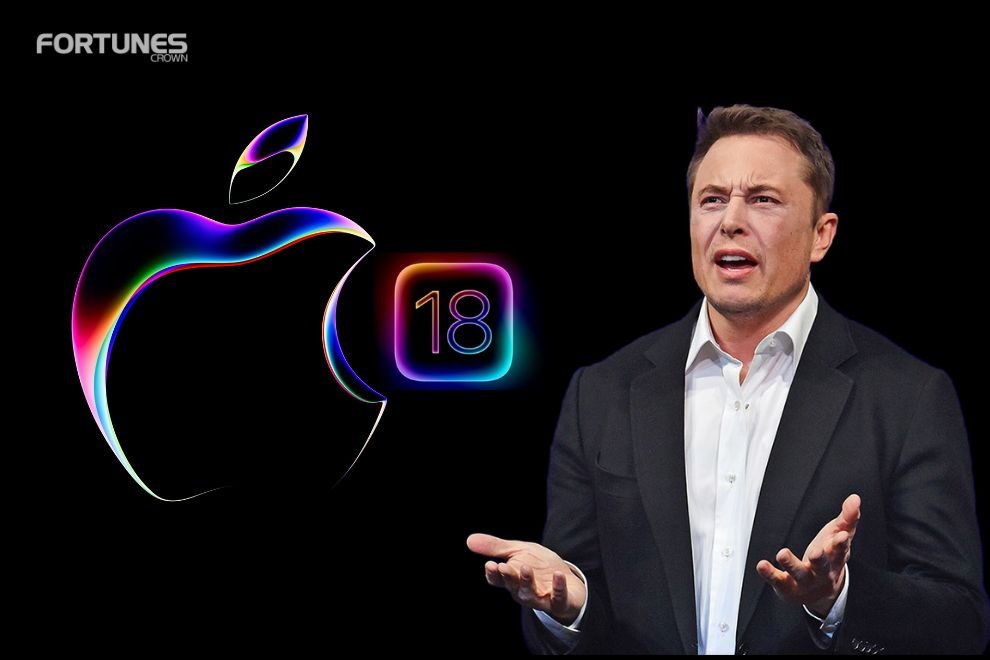
    He seemed visibly displeased with the new partnership. However, the announcement has not been without controversy. Elon Musk is visibly displeased with the new alliance between Apple and OpenAI. Moreover, he has threatened to ban Apple devices across his companies, including X, Tesla, SpaceX, and Neuralink.

    Musk asserted that incorporating OpenAI at the operating system level represents “an unacceptable security violation.” He further reported that visitors to his companies would be required to leave their Apple devices in a Faraday cage. Moreover, a compartment that blocks electromagnetic waves and prevents wireless communication will be placed.

    Musk was very vocal in voicing out his criticism, saying, “It’s patently absurd that Apple isn’t smart enough to make their own AI, yet is somehow capable of ensuring that OpenAI will protect your security and privacy!” He also questioned Apple’s capability to safeguard user data once it is shared with OpenAI.

    His comments and threats have sparked a diverged reaction on social media. Some users stated, how Apple is known for their unbreakable privacy system. Thus, sharing data with OpenAI could provoke a breach in the system. While others believe there will be a solid reason for a company like Apple to make this decision. So, they continue to trust the dedication to user security.