Category: Technology

  • From Brain Cells to Bytes, FinalSpark’s Journey in Wetware Computing

    From Brain Cells to Bytes, FinalSpark’s Journey in Wetware Computing

    Computer scientists have been seeking, over decades, a counterpart to the human brain’s neural networks to enhance the processing power of artificial intelligence (AI). As these artificial neural networks refine and grow in power, they consume increasingly more energy. In turn, it prompts a search for more efficient alternatives. A Swiss start-up called FinalSpark has introduced a “bio-computer” that interfaces with living brain cells in a phenomenal display of nature’s efficiency. It boasts of significantly lowering energy consumption compared to traditional computers.

    Bridging Biology and Computing

    FinalSpark’s ingenious platform uses methods of merely integrating biological concepts into computing. Thus, it taps into spherical clusters of lab-grown human brain cells known as organoids. These organoids are housed within arrays connected to electrodes and a microfluidics system. Also, it represents a cutting-edge approach known as wetware computing. FinalSpark’s system allows for insights into the functioning of miniature replicas of individual organs, leveraging researchers’ ability to culture organoids in the lab.

    ChatGPT and Beyond, FinalSpark’s Quest for Sustainable AI

    In the exponential growth of artificial neural networks, the innovation serves to be exemplified by large language models like ChatGPT. FinalSpark asserts that their bioprocessors, such as the brain-machine interface they’re developing, consume a fraction of the power required by traditional digital processors.

    The substantial data on their system’s energy usage and processing power is yet to be disclosed. However, the comparison with the minimal energy consumption of training large language models like GPT-3 is considered quite impressive. The contrast between the energy efficiency of the human brain—operating its 86 billion neurons with minimal energy—and contemporary computing methods emphasizes the urgency to optimize energy consumption in the AI industry.

    The AI industry is expected to cause a significant increase in global electricity consumption, according to the prognoses. Since this portion is considered to be significantly larger, it can cause aggravation to environmental concerns. Against this environment, the confluence of brain cell networks and computing circuits presents an optimistic pathway for energy-efficient computing solutions.

    Remote Access System for Brain Organoids

    FinalSpark carries its ambition further by building upon past efforts to link computer hardware with biological systems. The AI industry is expected to cause a significant increase in global electricity consumption, according to the prognoses. An American company, Neuroplatform, demonstrates this trend by enabling extensive data collection from brain organoids for years.

    Even though it was primarily aimed at studying purposes, FinalSpark’s system allows for remote access and supported electrical activity durations in mini-brains up to 100 days. The future could see more research groups adopting this as a platform for their experiments and hence the potential is expanding. These may also encompass wetware computing experimental protocols.

    Thus, whether improving computer efficiency or developing organoid models, ongoing innovation in this area could yield exciting advancements at the intersection of computational science and biology.
  • Breakthrough for Paralyzed Man, Spinal Cord Implants Restore Mobility

    Breakthrough for Paralyzed Man, Spinal Cord Implants Restore Mobility

    It has always been a serious issue when there is a notable injury to the spinal cord. The spinal cord needs to be intact for the body to control movements. Until now, no such solutions have been found for the unfortunate injuries that happen to the spinal cord.

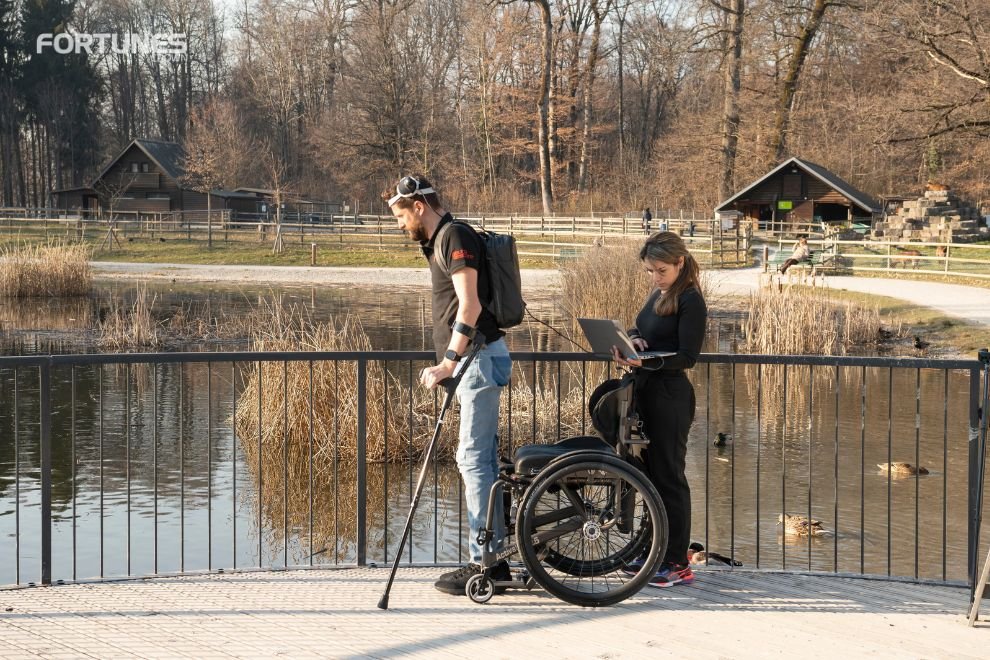
    Because of the new discovery, a man who was paralysed from 2011, has now been able to walk. This incredible feat was achieved with implants in his brain and spinal cord.

    The Patient’s Journey

    Gert-Jan Oskam, a 40-year-old from the Netherlands, had an unfortunate accident that changed his course of life. The accident severely damaged his spinal cord, leaving him paralyzed. Doctors also held no hope and told him the unfortunate news, that he’ll never be able to walk again.

    Until the discovery that could change his life for the better, researchers used implants that were situated at the spinal cord to help Oskam. The implants work on capturing his thoughts and implement them into spinal cord stimulation to establish connectivity. This re-stimulates voluntary movement.

    Achieving Natural Control

    The technology essentially allows him to have natural control over his leg movements. He can now stand, walk, climb stairs, and even traverse complex terrain. It can also be noted that He can walk more than 330 feet at once and stand for several minutes without support.

    He expresses his gratitude and a life-changing moment. “A few months ago, I stood up and had a beer with my friends. That was pretty cool,” he says. When one has lost all hope, this sure was a light in the darkness that made him look forward to the next day.

    Previous Research and New Techniques

    Researchers previously combined electrical stimulation and physical therapy to help paralyzed people walk. Oskam participated in this research but stopped progressing after three years.

    How the Implants Work

    The new technique involves two brain implants. These implants read his brain signals when he wants to move. The signals are sent to sensors on a helmet-like device on his head. A computer predicts his intended movements and converts them into commands. These commands are sent to another implant in the spinal cord. The spinal implant stimulates his muscles according to his intended movement.

    The Digital Bridge

    This “digital bridge” reopens communication between Oskam’s brain and spinal cord. He completed 40 sessions of neurorehabilitation with this technology. After a few weeks, he could stand and walk using a walker.

    Smoother Movements and Regained Control

    The earlier technology led to robotic movements. The new device allows smoother motions. Oskam has also regained some control over his legs even without the device. Researchers suggest the brain-spinal cord connection helped regenerate spinal nerves.

    Future Prospects and Challenges

    Technology still has a long way to go before it is available to the public. One risk is that the implants require invasive surgery. Researchers aim to make the device’s hardware more compact. They hope the technology can help people regain other movements and bodily functions.

    Harvey Sihota, CEO of Spinal Research, finds the results very encouraging. The devices are still experimental, but the progress offers hope for the future.

    Gert-Jan Oskam’s story is a testament to the power of innovative technology. With brain and spinal implants, he has achieved what was once deemed impossible. This breakthrough not only transforms his life but also offers hope to others with similar conditions. As research continues, the potential for restoring mobility and other functions looks promising.

  • China’s Probe Lands On The Undiscovered Side Of The Moon

    China’s Probe Lands On The Undiscovered Side Of The Moon

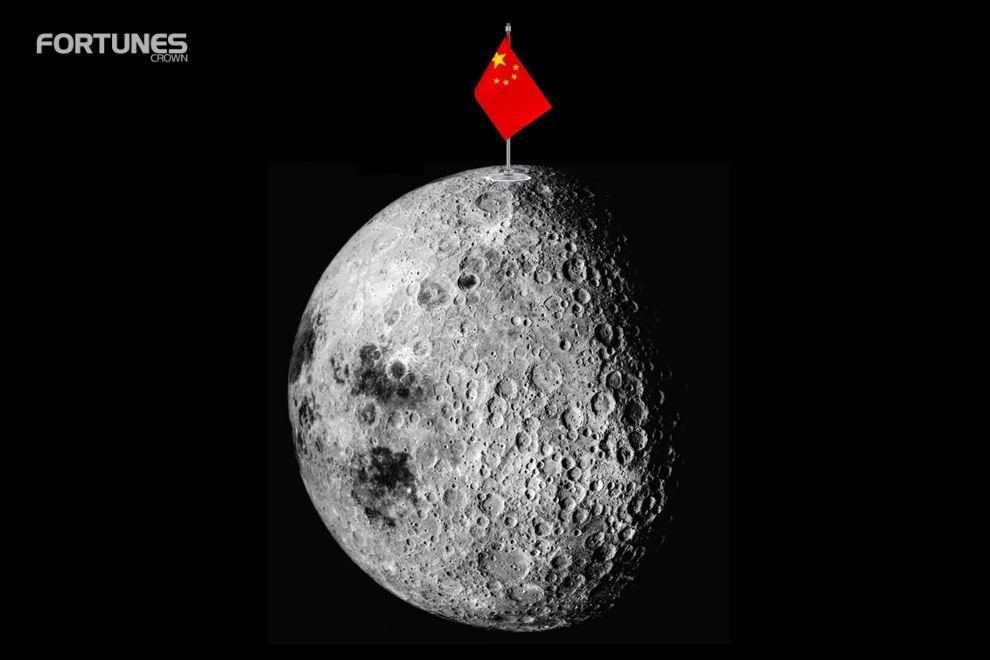
    Due to today’s technological advancement and the curiosity to dive into deeper depth, space programs such as the one in China have taken the initiative to explore unknown parts of space. It is to be noted that recently, a lunar probe has touched a very crucial part of the Moon’s surface. The probe, Chang’e-6,  landed on the Moon’s South Pole-Aitken Basin. It is said that the drilling of lunar soil will begin soon. The lunar soil can also be called a regolith.

    More About the Mission

    This mission follows five successful lunar missions, from Chang’e-1 through Chang’e-5. These missions included establishing a weather station on the Moon’s far side with Chang’e-4. This was the first time any craft had reached that area. Chang’e-5 conducted a sample return mission from the polar region. It brought back the first lunar samples since the Apollo missions.

    Following the discovery, Scientists believe that Apollo Crater could contain some of the Moon’s oldest regolith. This regolith dates back almost four billion years, to the Earth’s earliest formations. The mission is also said to consist of four main components: an orbiter, a lander, an ascent vehicle, and a re-entry module.

    The lander’s mechanical drill arm will gather and stow the lunar samples. These samples will then be blasted into space by the ascent vehicle. The orbiter will pick up the ascent vehicle and send the samples back to Earth in the re-entry module. Communication for this mission will be managed through the Queqiao-2 satellite. Normal communications are blocked on the Moon’s far side. If successful, China will be the first nation to land and sample on the Moon’s far side.

    The Significance of the Mission

    This mission is the last sample-return mission in the Chang’e series. Future missions, Chang’e-7 and Chang’e-8, will focus on in-situ experiments. These experiments aim to inform and assist the establishment of a permanent Chinese robotic base on the Moon. The Chinese space program has made significant progress in the past six years. Missions Chang’e-4 and Chang’e-5, including a sample return mission, were complete successes.

    Following Chang’e-5’s landing, but before the samples returned, the Chinese space agency achieved another milestone. It became the only space program to see its first orbiter, lander, and rover sent to Mars all succeed on the first attempt. The success of the Chang’e-6 mission will further solidify China’s position in space exploration. Their continued achievements highlight the potential for future lunar and interplanetary missions. 

    Future Endeavours 

    China’s commitment to space exploration is evident through its series of successful missions. Each mission builds on the previous one, showcasing technological advancements and increasing capabilities. The ongoing success of the Chinese space program inspires other nations and fosters international collaboration in space exploration. The Chang’e missions, especially the recent Chang’e-6, exemplify China’s dedication to exploring and understanding the Moon.

    As China continues its lunar exploration, the world watches closely. The discoveries made from these missions will expand our knowledge of the Moon and its history. The lunar samples collected by Chang’e-6 will provide valuable insights into the Moon’s formation and evolution. These findings could also have implications for understanding the early Earth. 

    China’s space program is set to make numerous contributions to space science and exploration. Their ambitious goals and consistent achievements highlight their growing role in the global space community. The Chang’e-6 mission is a demonstration of China’s expertise and determination in space exploration. The success of these missions paves the way for future endeavors and partnerships in exploring the final frontier.

  • Innovative E-Glove Revolutionizes Underwater Communication for Scuba Divers

    Innovative E-Glove Revolutionizes Underwater Communication for Scuba Divers

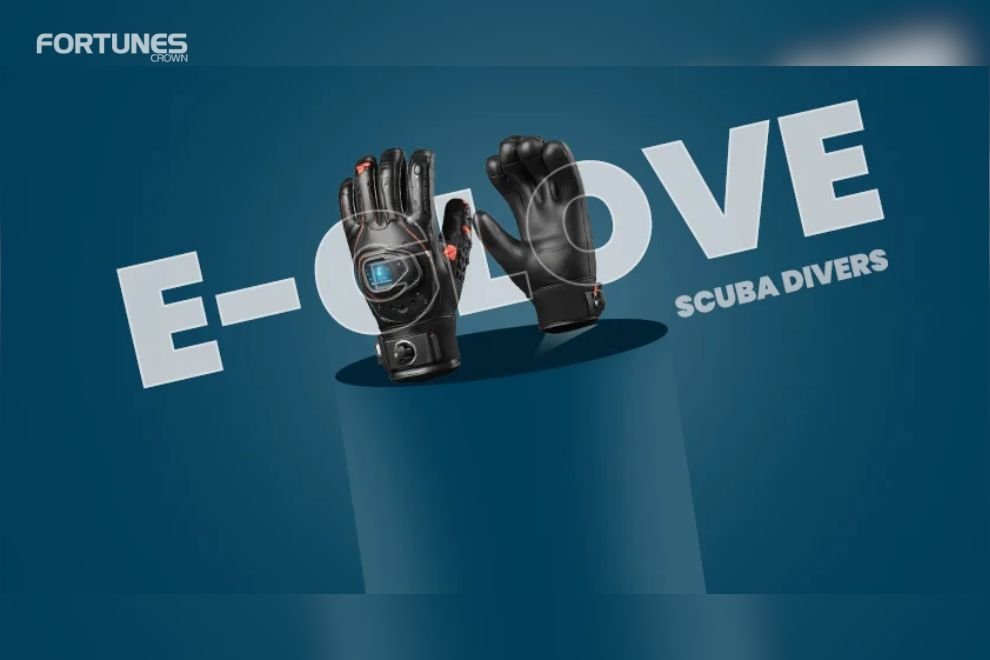
    Scuba divers rely on hand signals to communicate essential messages underwater. These hand signals include crucial safety information, status updates, and alerts about potential dangers like the presence of a shark. However, underwater visibility can often be compromised due to factors such as murky water, poor lighting, or physical obstructions.

    This limitation makes it difficult for divers to effectively see and interpret each other’s hand gestures, which can lead to misunderstandings and increased risk during dives. To address this significant communication challenge, a team of researchers has developed a groundbreaking solution: a waterproof “e-glove” that wirelessly translates hand gestures into text messages. This new technology, reported in ACS Nano, can transmit these messages to a computer or display, making it easier for divers to communicate not only with each other but also with boat crews on the surface.

    A New Frontier in Hand Motion Translation

    E-gloves are gloves equipped with electronic sensors. These sensors translate hand motions into information. Existing e-glove designs help users interact with virtual reality environments. They also aid stroke patients in regaining fine motor skills. However, making these gloves waterproof is challenging.

    Fuxing Chen, Lijun Qu, and Mingwei Tian led the research team. They aimed to develop a flexible, waterproof e-glove for underwater use. Their solution involved innovative sensor technology inspired by nature.

    Moreover, the researchers took inspiration from starfish tube feet. They used laser writing tools to create micropillars on a thin film of polydimethylsiloxane (PDMS). PDMS is a waterproof plastic commonly used in contact lenses. The micropillars were then coated with a conductive layer of silver. Two such films were sandwiched together, with the pillars facing inward. This design created a waterproof sensor.

    Sensor Capabilities

    The sensors are about the size of a USB-C port. They are responsive when flexed and can detect various pressures. These pressures range from the light touch of a dollar bill to the impact of water from a garden hose. Ten such sensors were packaged within self-adhesive bandages. These were then sewn over the knuckles and first finger joints of the e-glove prototype.

    To demonstrate the e-glove, a participant performed 16 different gestures. These included common signals like “OK” and “Exit.” The researchers recorded the electronic signals generated by each gesture. They used machine-learning techniques to translate these signals into messages.

    High Accuracy in Gesture Recognition

    The computer program developed for the e-glove translated gestures with 99.8% accuracy. It worked effectively both on land and underwater. This high accuracy could make the e-glove a reliable tool for divers.

    The research team envisions several future applications for the e-glove. It could help scuba divers communicate with visual hand signals. This would be useful even in low visibility conditions underwater. Additionally, it could enhance communication with boat crews on the surface.

    Funding and Support

    The research received funding from various sources. These included the Shiyanjia Lab and the National Key Research and Development Program. Additional support came from the Taishan Scholar Program and several provincial science foundations in China.

    The American Chemical Society (ACS) published the research in ACS Nano. ACS is a nonprofit organization promoting excellence in science education. They provide access to chemistry-related information through research solutions, journals, and conferences.

    Implications for Marine and Medical Fields

    The development of the waterproof e-glove has broader implications. It showcases the potential of electronic sensors in marine environments. Additionally, it could influence the design of wearable technology for medical rehabilitation.

    The waterproof e-glove represents a significant advancement in underwater communication. Translating hand gestures into messages addresses visibility issues faced by divers. This innovation has the potential to enhance safety and coordination during underwater activities. As technology progresses, the e-glove could become an essential tool for scuba divers worldwide.

  • Japan’s Electric Salt Spoon Enhances Flavor, Reduces Sodium

    Japan’s Electric Salt Spoon Enhances Flavor, Reduces Sodium

    In recent years, the quest for healthier lifestyles has seen a surge in interest, driven by increasing stress and exhaustion in daily life. With this shift, many have turned to advanced technologies to enhance their well-being. One such innovative product is a unique spoon from Japan, designed to promote better eating habits by enhancing the taste of food without adding extra sodium.

    The Birth of the Electric Salt Spoon

    The electric salt spoon, developed by Kirin Holdings, a Japanese drinks giant, claims to enhance salty tastes without additional salt. This invention aims to help people reduce their sodium intake while still enjoying flavorful meals. The spoon’s technology has even won the 2023 Ig Nobel Prize, an award that celebrates unusual and creative research.

    Kirin Holdings officially launched the electric salt spoon on May 20, 2024. Priced at 19,800 yen (approximately ₹ 10,536), the product’s initial run includes 200 units available for sale this month. The company plans to release the spoon in select Japanese retail stores in June, with announcements made on the official Electric Salt online store.

    Technology Behind the Spoon

    The electric salt spoon uses a weak electric current passed from the spoon’s tip to the food, enhancing salty and umami flavors. Weighing just 60 grams, it operates on a rechargeable lithium battery. This innovative technology allows users to enjoy enhanced flavors without the health risks associated with high sodium intake.

    Kirin Holdings has refined the technology to make the spoon easy to use and durable, making it a perfect addition to daily dining setups. Users simply need to turn on the power switch, select the desired intensity, and use the spoon as they would any regular utensil. The spoon is suitable for a variety of foods, including soups, curries, rice, and noodles.

    it could revolutionize how people manage their sodium intake. High sodium consumption is linked to numerous health issues, including hypertension and heart disease. By enhancing the taste of food without added salt, this spoon offers a way to enjoy flavorful meals while maintaining a healthier diet.

    User Experience

    Initial reviews from users have been positive, highlighting the spoon’s ability to enhance food flavors effectively. Many appreciate the convenience of the spoon and its potential health benefits. The spoon’s rechargeable battery and lightweight design add to its appeal, making it a practical tool for everyday use.

    Practical Tips for Using the Electric Salt Spoon

    Start with Familiar Dishes: Begin by using the spoon with dishes you regularly consume to notice the difference in flavor enhancement.

    Adjust Intensity Gradually: Experiment with the spoon’s intensity settings to find the level that best suits your taste preferences.

    Pair with Low-Sodium Foods: Use the spoon with low-sodium versions of your favorite foods to maximize its benefits.

    Regular Maintenance: Ensure the spoon is clean and the battery is charged for optimal performance.

    Share with Family: Introduce the spoon to family members to collectively reduce sodium intake and enjoy healthier meals together.

    The electric salt spoon is more than just a utensil; it’s a step towards healthier living. By integrating this innovative technology into daily life, individuals can make meaningful changes to their diet without sacrificing flavor. As this product gains popularity, it may inspire further advancements in health-focused culinary tools, ultimately contributing to a healthier society.

    Future Prospects

    The success of the electric salt spoon could pave the way for more innovations in the field of health-conscious dining tools. As technology continues to advance, we may see more products designed to enhance flavor without compromising health. Kirin Holdings’ electric salt spoon is just the beginning of a new era in culinary technology.

    The electric salt spoon represents a significant step forward in the quest for healthier eating habits. By leveraging advanced technology, Kirin Holdings has created a product that enhances food flavor without adding extra sodium. This innovation not only supports better health but also aligns with the growing trend of integrating technology into daily life. As more people adopt such tools, we can look forward to a future where healthier eating is both enjoyable and accessible.

  • Why Scientists Are Creating ‘Moon Dust’ for Lunar Exploration

    Why Scientists Are Creating ‘Moon Dust’ for Lunar Exploration

    The Moon has always fascinated humanity, serving as a symbol of mystery and exploration. With the renewed interest in lunar exploration, scientists are now focusing on creating ‘moon dust,’ also known as lunar regolith simulants. These artificial materials mimic the properties of natural moon dust and are essential for various scientific and engineering purposes. This article delves into why scientists are making ‘moon dust’ and its significance for future lunar missions and settlements.

    Lunar Roads and Infrastructure, Building a Stable Surface

    One primary reason for creating moon dust is to construct roads and infrastructure on the Moon. Lunar regolith, when melted and solidified, can form a stable surface. This is crucial for preventing dust disturbance caused by rovers and rocket thrusters. A stable surface will make operations on the lunar surface more manageable and efficient for future missions.

    Dust disturbance is a significant issue on the Moon. When rovers and rockets move, they kick up dust, which can interfere with equipment and reduce visibility. By creating solid surfaces using moon dust, scientists aim to minimize these disturbances. This will lead to safer and more reliable operations on the lunar surface.

    The Abrasive Nature of Moon Dust

    Moondust is highly abrasive. Its tiny, sharp particles can cause considerable damage to equipment and spacesuits. This abrasiveness poses a severe challenge for long-term lunar missions. By creating a stable and solid surface from moon dust, scientists can significantly reduce the risks associated with abrasive dust.

    Moreover, Reducing the presence of loose, abrasive dust on the Moon will help protect critical equipment and spacesuits. This protection is essential for the longevity and effectiveness of lunar missions. By mitigating the effects of moon dust, scientists can ensure that astronauts and their equipment remain safe and functional.

    Astronaut Safety

    Lunar regolith is not only abrasive but also highly charged. This high charge can generate static electricity, posing potential hazards to astronauts. Static electricity can cause equipment malfunctions and even pose health risks. Understanding and mitigating these effects is crucial for astronaut safety.

    By studying and manipulating moon dust, scientists aim to create safer environments for astronauts. This involves developing materials and techniques to neutralize the static charges in lunar regolith. Ensuring a safe environment is paramount for the success of future lunar missions and the well-being of astronauts.

    Moon Dust as a Resource

    Another significant reason for creating moon dust is its potential as a resource. Lunar regolith can be processed to extract essential materials. These materials include oxygen, metals, and other elements necessary for sustaining human life on the Moon. Utilizing moon dust as a resource is a key aspect of future lunar colonization efforts.

    In fact, Moon dust can be used to create bricks and other building materials. These materials are crucial for constructing habitats and infrastructure on the Moon. Additionally, extracting oxygen from lunar regolith can provide a vital supply of breathable air and fuel for rockets. This resource utilization is essential for establishing a sustainable human presence on the Moon.

    Future Lunar Settlements

    Humanity’s plans for future lunar settlements rely heavily on the ability to utilize lunar resources effectively. Creating a reliable source of lunar soil is crucial for building habitats and life support systems. Moondust will play a significant role in these efforts, providing the raw materials needed for construction and sustainability.

    To establish a long-term presence on the Moon, we need to build robust habitats and infrastructure. Moon dust can be processed to create the necessary materials for these structures. This includes everything from bricks for buildings to components for life support systems. By harnessing the potential of moon dust, scientists can pave the way for sustainable lunar living.

    The creation of ‘moon dust’ by scientists is a pivotal step towards advancing lunar exploration and establishing human settlements on the Moon. From building stable surfaces and mitigating dust to ensuring astronaut safety and utilizing resources, the applications of moon dust are vast and varied. As we look to the future, the importance of moon dust in supporting lunar missions and the establishment of a human presence on the Moon cannot be overstated. The ongoing efforts to create and study lunar regolith simulants highlight our commitment to exploring and inhabiting our nearest celestial neighbor.

  • Sundar Pichai Discusses AI in India, Insights from Varun Mayya’s Interview

    Sundar Pichai Discusses AI in India, Insights from Varun Mayya’s Interview

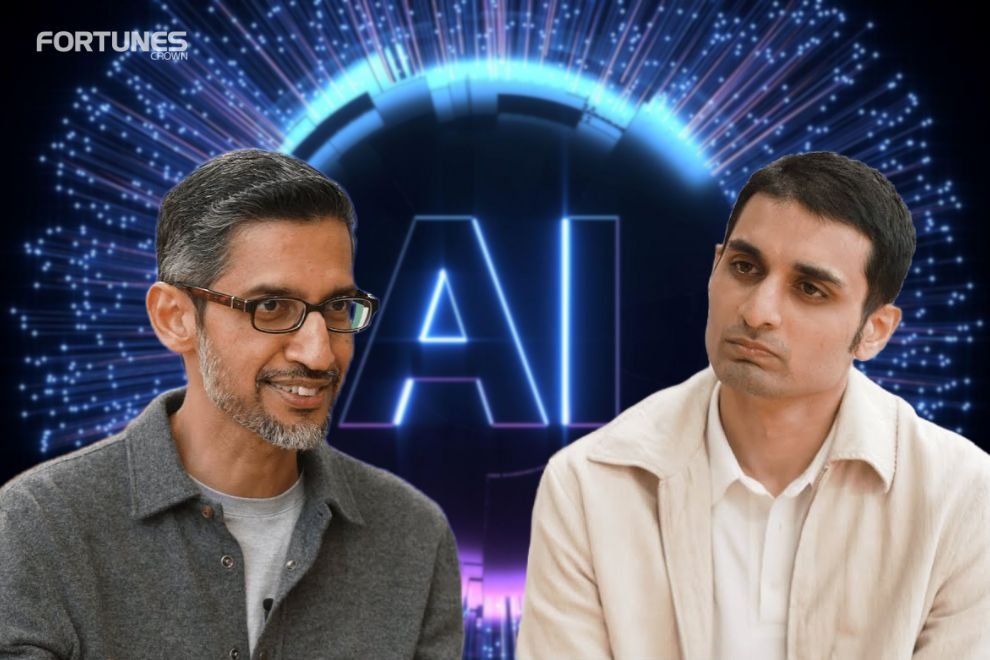
    Sundar Pichai, Google’s CEO, recently sat down for an insightful interview with Varun Mayya, a prominent content creator known for his engaging discussions on tech and innovation. The conversation unfolded at Google headquarters in Silicon Valley, right after the conclusion of the company’s highly anticipated annual I/O developer event. This event, playfully dubbed “AI Coachella” by Mayya, gathered tech enthusiasts and industry leaders to explore the latest advancements in artificial intelligence and other cutting-edge technologies.

    Excitement and Insight on YouTube

    Mayya promptly uploaded the insightful 10-minute interview with Sundar Pichai on his YouTube channel. He eagerly anticipated the audience’s response to their in-depth discussion on AI advancements. 

    In his enthusiastic upload, Mayya expressed his profound excitement about the opportunity to explore the future of artificial intelligence with Pichai, a global tech leader. He emphasized India’s burgeoning potential to take the lead in this era of technological innovation. 

    Reflecting on their conversation held at Google I/O, he humorously analogized it to an exclusive podcast experience. “Wow, what an honor! I got to sit down with Sundar Pichai at Google I/O for an exclusive podcast!” Mayya exclaimed. His words captured the substance and depth of their dialogue about AI’s transformative influence on society and business.

    Pichai’s Wisdom on Deep Understanding

    During their engaging dialogue, Mayya highlighted a pressing concern within India’s competitive software engineering industry. He noted the prevalent focus on cracking prestigious FAANG interviews over mastering essential foundational skills. Recognizing this trend, Mayya sought Pichai’s seasoned advice on redirecting priorities toward cultivating a deeper understanding and readiness for future challenges.

    Pichai drew from his extensive experience and insight, emphasizing the critical importance of profound comprehension for achieving sustained success in tech careers. Channeling wisdom akin to the film “3 Idiots,” he elucidated the distinction between mere knowledge and genuine understanding. “Real success comes from understanding things more extremely,” Pichai asserted, urging engineers to adopt a transformative mindset that values deep understanding and innovation over surface-level achievements

    AI’s Influence on India’s Tech Ecosystem

    Their conversation expanded to explore the profound impact of AI on India’s dynamic market landscape. They highlighted the emergence of wrapper startups and the transformative potential of innovative AI applications set to reshape various industries. Delving into these topics, Pichai and Mayya discussed how AI-driven advancements are poised to drive significant economic and societal changes in India and beyond.

    Following its recent sharing, the interview quickly resonated with a broad audience, amassing over 60,000 views on YouTube. Enthusiastic viewers flooded the comments section with praise for Mayya’s insightful questions and Pichai’s valuable insights. “Varun, this is a fanboy moment for us as well,” one viewer commented, echoing the community’s excitement and appreciation for the interview’s depth and relevance. Another viewer lauded Mayya’s dedication and highlighted the interview’s significance at Google I/O. Profound discussions on AI’s future direction captivated attendees and online audiences alike.

    Beyond merely showcasing Sundar Pichai’s visionary outlook on AI’s potential in India, the interview underscored the profound impact of thoughtful and forward-looking discussions in shaping the future of technological landscapes. As worldwide interest in artificial intelligence continues to escalate, dialogues such as this one serve as pivotal catalysts for fostering innovation and driving transformative change across industries.

    The conversation between Pichai and Varun Mayya resonated beyond their immediate audience, sparking inspiration and provoking critical thinking among tech enthusiasts and industry leaders globally. By delving into the implications of AI advancements, they not only highlighted opportunities for growth and development but also addressed challenges and ethical considerations that accompany rapid technological progress.

  • OpenAI Partners with Reddit to Integrate Community Content into ChatGPT

    OpenAI Partners with Reddit to Integrate Community Content into ChatGPT

    In a groundbreaking move that promises to reshape the landscape of online interactions, it has been decided for Reddit to Integrate Community Content into ChatGPT. This exciting development comes as a result of a strategic partnership between the AI pioneer OpenAI and the popular online community platform Reddit, heralding a new era of AI-driven community engagement.

    Expanding Access to Real-Time Community Content

    “Reddit content is now available on ChatGPT” was created and published by Verdict, a GlobalData-owned brand. The partnership between OpenAI and Reddit marks a significant leap forward. It makes real-time community-driven content accessible to ChatGPT users. OpenAI now has access to Reddit’s data API. This allows ChatGPT to tap into Reddit’s vast, dynamic discussions. These discussions span across Reddit’s numerous communities. This integration provides ChatGPT users with an enriched experience. They can explore a wider range of recent and relevant content. Topics covered include a multitude of subjects such as human responses to various interactions.

    Reddit is known for its rich repository of user-generated content. It covers a variety of subjects, from niche hobbies to global news. Expert advice and in-depth discussions are also included. With Reddit’s data API, ChatGPT can harness this treasure trove of information. Users gain insights that are current and diverse. The content reflects the latest trends and real-time conversations.

    Future Collaborations and AI Integration

    OpenAI’s role extends beyond content access to include becoming a Reddit advertising partner. Together, OpenAI and Reddit aim to integrate generative AI (GenAI) features into the Reddit platform. However, specific details and deployment timelines for these GenAI features have not been disclosed yet.

    Reddit has assured that they will utilize OpenAI’s advanced AI models. They plan to develop tools tailored for enhancing the experiences of both users and site moderators. This collaboration reflects a shared vision for leveraging AI technology to innovate and improve the functionality of the Reddit platform.

    Leadership Endorsement and Vision

    Reddit’s co-founder and CEO, Steve Huffman, lauded the partnership, highlighting Reddit’s role as a repository of genuine and dynamic human conversations. He stated, “Reddit has become one of the internet’s largest open archives of authentic, relevant, and always up-to-date human conversations about anything and everything. Including it in ChatGPT upholds our belief in a connected internet, helps people find more of what they are looking for, and helps new audiences find community on Reddit.”

    Huffman previously declined to discuss the specifics of the Google deal. However, he mentioned that typical terms might govern aspects such as the duration of a Reddit summary that can appear in a Google search. Additionally, these terms may determine whether a licensee must display Reddit branding in AI-generated results. The San Francisco-based social network has signed licensing deals totaling $203 million. These deals have terms ranging from two to three years. Furthermore, Reddit is in discussions to establish additional licensing agreements.

    Meanwhile, OpenAI is increasingly forming partnerships with media companies. These collaborations aim to enhance its AI systems and incorporate more real-time content into its chatbot. Recently, the ChatGPT maker secured deals with Dotdash Meredith earlier this month. In April, it also signed an agreement with the Financial Times. OpenAI’s strategy highlights its commitment to integrating up-to-date information and improving the overall performance of its AI technologies.

    Market Insights on AI Adoption

    Research and analysis firm GlobalData has identified GenAI as the most disruptive technology in its tech sentiment surveys since 2022. In its latest 2024 survey, over 54% of businesses expressed confidence that AI would fulfill its potential, with an additional 27% reporting high adoption rates of AI in their daily operations.

    GlobalData’s executive briefing on AI forecasts the total AI market to surpass $1.04 trillion by 2030, with a compound annual growth rate of 39% from 2023.

    This partnership between OpenAI and Reddit marks a significant step in integrating real-time community-driven content with advanced AI capabilities. As both companies continue to innovate, users can anticipate a more enriched and connected experience on both platforms.

  • The Future of AI and the Intensified Desire for Human Interaction

    The Future of AI and the Intensified Desire for Human Interaction

    When ChatGPT was launched in 2022, naturally, people quickly became worried about job security. The AI chatbot could do tasks that were once thought that only humans could do it. This sparked many discussions about the future of work and the desire for human interaction as time progresses. 

    As ChatGPT and other AI technologies improved, more people feared that AI would take over their jobs and leave them with very minimal things to do. However, experts have different opinions on this issue. 

    Some say that AI is a big threat to jobs. They believe it could replace workers in many fields, like customer service, content creation, and data analysis. This could lead to many job losses. 

    Other experts are more hopeful. They think AI will create new jobs and change existing ones. They believe it will take over simple, repetitive tasks, but humans will still be needed for creative and strategic roles. New jobs in AI development, maintenance, and oversight could also appear and provide more opportunities for growth and learning.

    Words of Sam Altman, CEO of OpenAI

    During a recent podcast, OpenAI CEO Sam Altman shared his thoughts on the influence of AI on future job markets, foreshadowing the intensified desire for human interaction in the future. Speaking on The Logan Bartlett Show, he addressed the question of the jobs that might hit the mainstream in the next five years as AI technology advances.

    Moreover, he explained that as AI continues to evolve, people will increasingly crave human interaction and unique, personal experiences that it cannot replicate. However, he highlighted that jobs centered around human connection, creativity, and the arts would see a considerable rise in demand. According to him, these roles would capitalize on the ingrained value of human touch and emotional engagement, which AI lacks. 

    “The broad category of new kinds of art and entertainment, focused more on human-to-human connection, will become increasingly important,” Altman said. “I don’t know what specific job titles will emerge, and I’m not sure if we will fully reach this shift within five years. However, I strongly believe there will be a premium on in-person, fantastic experiences that only humans can provide.”

    About the OpenAi’s Advanced GPT-4o AI model

    Recently, Altman praised the company’s latest AI model, GPT-4o, in a blog post. It was disclosed during OpenAI’s Spring Update event, that GPT-4o is an advanced version of ChatGPT, which currently runs on GPT-3.5 for non-paying users.

    He described GPT-4o as “smart, fast, fun, natural, and helpful.” He also mentioned the new voice and video modes, calling them “the best computer interface” he has ever used, comparing the experience to “AI from the movies.” He voiced amazement that such technology exists today, noting that achieving human-level response times and expressiveness is a notable breakthrough.

    He also acknowledged that speaking to computers had never felt natural to him before, but now it does. Looking to the future, he mentioned that with added personalization, access to user information, and the ability to take actions on behalf of users, computers could become even more capable and integral to our daily lives.

    AI And Humans

    Humans are inherently social beings, with a fundamental need for connection and interaction with others. From the earliest days of our existence, we have depended on social bonds for survival, cooperation, and emotional well-being. This deep-rooted aspect of our nature differentiates us from machines and emphasizes the limitations of artificial intelligence in fulfilling our social needs. 

    While AI has made remarkable advancements in simulating human-like behaviors and interchanges, it still falls short of replicating the complexity and depth of genuine human connection. It lacks the emotional intelligence, empathy, and intuition that characterize human relationships. It cannot fully comprehend the nuances of human emotions, understand context, or adapt its responses based on subtle cues and social dynamics. 

    Moreover, human communication is not only about conveying information; it is about sharing experiences, building trust, and forming meaningful connections. It involves nonverbal cues, such as facial expressions, tone of voice, and body language, which play a crucial role in conveying emotions and intentions. AI, no matter how advanced, cannot truly grasp or replicate these subtle cues in the same way that humans can. Thus, it furthermore intensifies the desire for human interaction even when the technologies are at play.

    As AI keeps evolving, it is important to face these challenges head-on. Education and retraining programs can help people adapt to new technologies. Policies and regulations must also change to make sure AI’s benefits are shared fairly and support economic and social well-being.

    The debate about AI and job security is ongoing, but one thing is certain: AI is here to stay. How it affects jobs will largely depend on how we choose to use and manage this powerful technology.

  • Iconic Horsehead Nebula Revealed in Unprecedented Scientific Detail

    Iconic Horsehead Nebula Revealed in Unprecedented Scientific Detail

    Integrating science into our daily lives has deepened our understanding of the cosmos. It spans from the infinitesimal realms of atomic particles to the grand expanse of the universe itself. Moreover, this integration has led to remarkable discoveries and technological advancements. Despite the remarkable steps we’ve made in unveiling the mysteries of existence, the universe remains an inexhaustible spring of discovery. It tempts us to delve deeper into its depths, offering tantalizing prospects for further exploration and understanding.

    Here’s one such space marvel that has intrigued NASA’s attention and has presented itself with a great grandeur that has been captured in the James Webb Telescope’s capture.

    About The Star

    The Horsehead Nebula, also called Barnard 33, is a dark patch in the sky in 

    the constellation Orion. It has been a part of a bigger group of stars and clouds called the Orion complex. It can be found just below the star Alnitak, which is the easternmost star in Orion’s Belt.

    A Scottish astronomer named Williamina Fleming first spotted it in 1888, in a photo taken at the Harvard College Observatory. Even though it’s about 1500 light years away from Earth, it’s famous because of its unique shape that resembles something that is seen on Earth, that is, it looks like the profile of a horse’s head.

    NASA’s James Webb Telescope’s capture

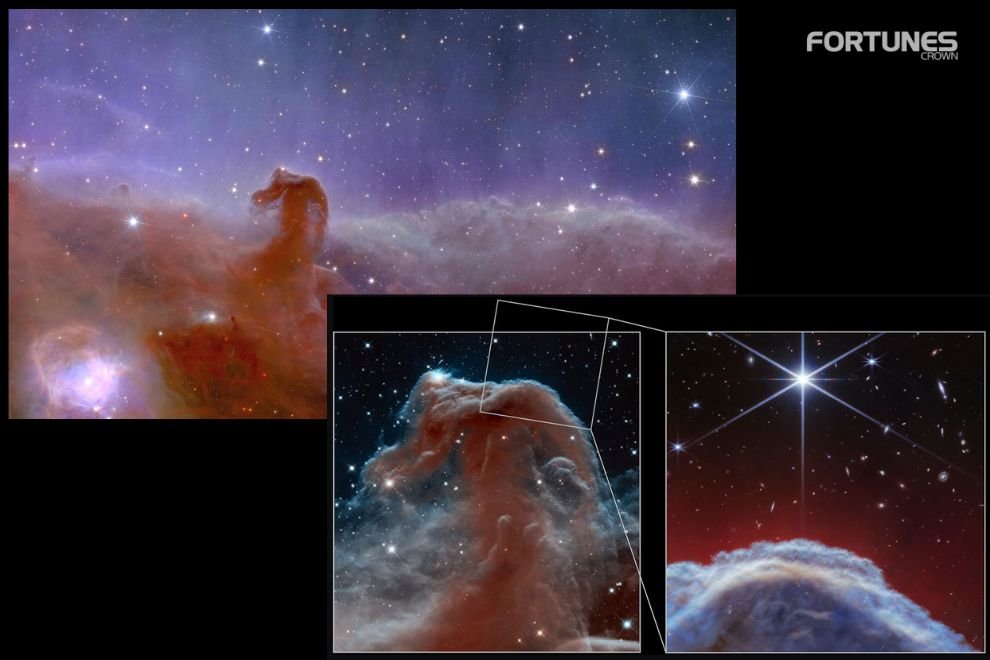
    The Telescope has finally unveiled the sharpest infrared images ever captured of a focused segment of the Horsehead Nebula. This achievement offers a unique perspective on this iconic cosmic structure, providing new insights into its composition and dynamics.

    The latest images zoom in on a portion of the sky within the constellation Orion (The Hunter), situated on the western side of the Orion B molecular cloud. Here, amidst swirling clouds of dust and gas, the Star, also known as Barnard 33, emerges approximately 1,300 light-years away.

    An interstellar cloud gravitationally collapsed to create the Star fueled by the radiant energy of a nearby hot star. While surrounding gas clouds have dispersed over time, the distinctive pillar of the Horsehead, composed of dense clumps of material, persists against erosion. Astronomers project that this interesting formation has roughly five million years left before it dissipates completely. The Telescope’s current imagery focuses on the illuminated edge of the structure’s top, offering unparalleled spatial resolution.

    How Did They Capture The Image?

    The star is located in a special place in space called a photodissociation region (PDR). In PDRs, light from young, big stars creates a warm area filled with gas and dust. These areas are important for scientists because they help us understand how things in space change over time.

    Because the Horsehead Nebula is close by and tilted just right, it’s perfect for studying PDRs. Scientists can look closely at the structures inside and see how things like gas and molecules move around. It’s like a special space lab for learning about how light interacts with stuff in space.

    Insights From Webb’s observation

    Using advanced MIRI and NIRCam tools, a group of scientists from different countries discovered new things about the Star. They looked closely at the bright edge of the Nebula and found out more about it than ever before.

    As light from stars shapes the dust in space, tiny pieces of dust get pushed away by hot gas. Webb saw this happening and noticed thin lines that showed how it all moved. This helped scientists understand how dust absorbs and gives off light, and it also showed the shape of the nebula in different ways.

    Next, scientists plan to examine the Horsehead Nebula even closer using a special technique called spectroscopy. This will help them learn more about the formation of the nebula and its composition. These discoveries will provide us with a better understanding of how the universe changes over time.

    As we explore new territories, science continues to push forward, giving us the courage to face what we do not understand. Every time something new is discovered, we realize just how amazing and complex the universe is. The new discoveries always remind us that there is always more to discover and that learning is an exciting journey full of surprises and awe.