How the Age of the Second Brain Can Destroy the First?
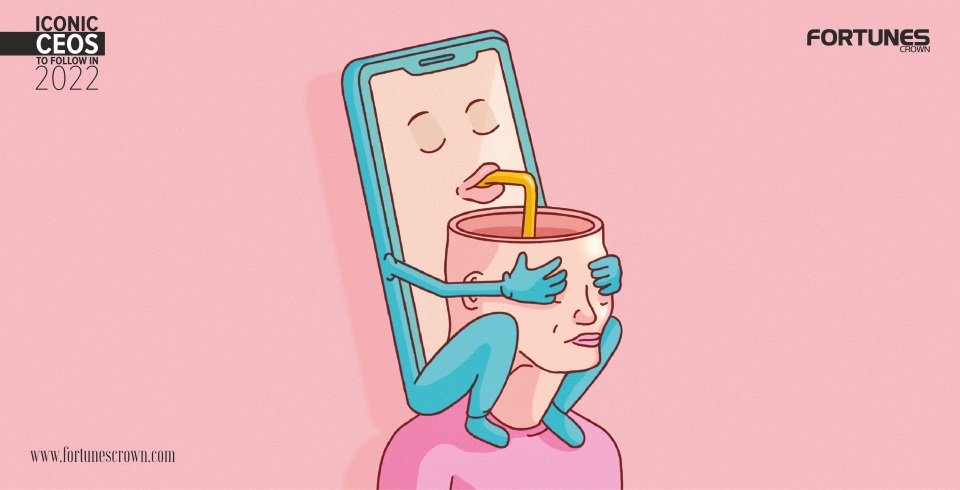
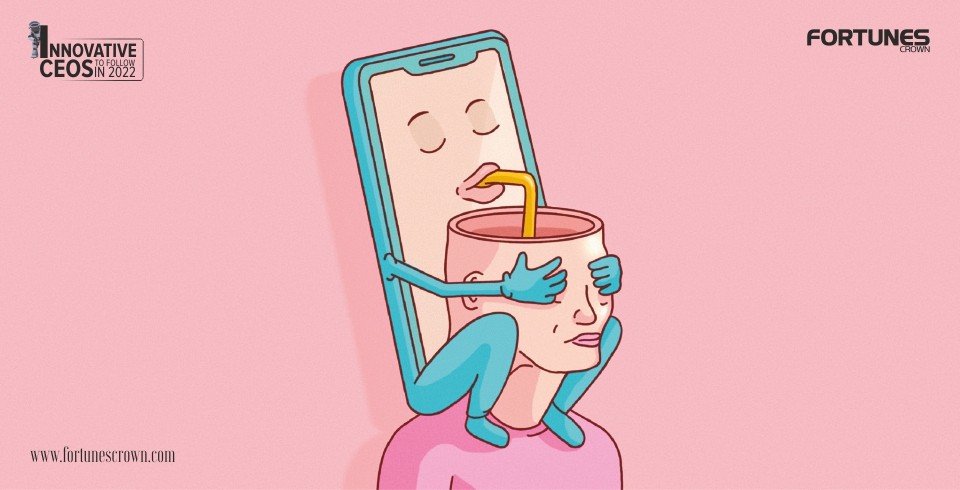
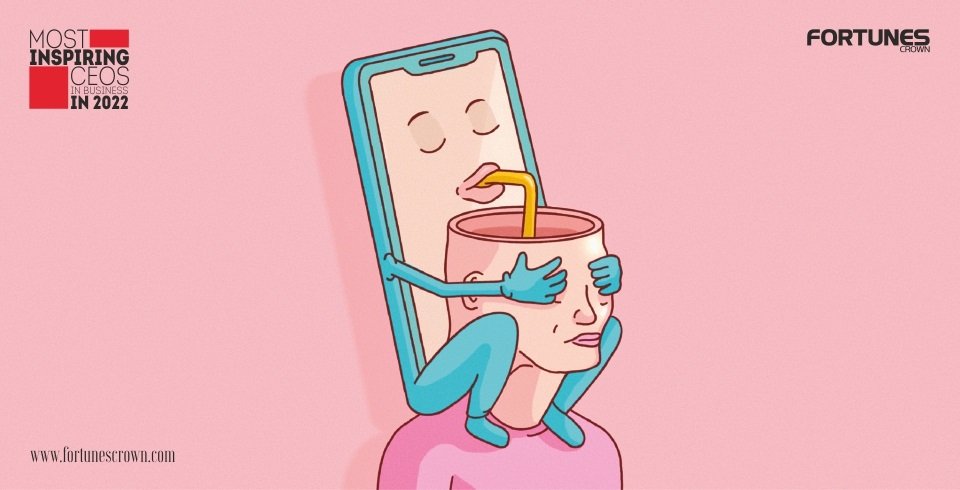
How many of you are harry potter fans? In the story, Dumbledore had a magical vessel he used to store and review memories. It was called the pencil. This is obviously a fictional story set in a school of magic. But today we have something like this in the real world, it’s called the second brain. The second brain is a digital brain that can be used to document every piece of information, every experience, every thought, and every learning. You can access all of this whenever and wherever you want. What does a second brain look like? Nothing too sci-fi or magical, a second brain looks like a word document backed up in the cloud. How much does it cost? Most second brains are free and some cost as little as $8 a month. The second brain has been developed on the hypothesis that a human brain is meant to have ideas not to store those ideas. So the second brain can do the job of storing. It will store everything from your thoughts to your screenshots, your grocery list, your notes, photos, passwords, reminders, and all other things you can think of. How does this work? The second brain works through apps like Notion, Evernote, One Note, Obsidian, and Mem, all of them work in the same way. They expect every bit of information you come across, everything that you think your brain cannot hold. Shopping lists, quotes, or reminders, you don’t even have to type them down, you can simply voice record and send. If you are reading something interesting online for instance you can email the relevant paragraphs to your second brain. If you have a fleeting thought you can make a quick note of it. Basically, every time you come across something that grabs your attention you log, in whatever form. Screenshots, photos, excel sheets, slides from a PowerPoint presentation, lines from an e-book, excerpts from online articles, and then you can access all this information whenever you want. Say years later you want to write an essay or prepare an address on federalism. All you need to do is go to your second brain and type in the keywords, everything that you uploaded on the topic will be in front of you. If you’ve uploaded a grocery list you can retrieve it the next time you go shopping. Advocates of the second brain say the system helps in knowledge management, it increases creativity and the theory is pretty interesting. It’s almost like having your own little library in the cloud. So is this the future? Well more like the present, believe it or not, all of us already have a second brain. All the apps that we use double up as a second brain. You know the ones that remind you to drink water or to stretch at home. Even breathe, apps tell you to stand up and breathe. They remind you to buy bread on the way back home. Apps remind you what you are doing 10 years back in the month of June. Gigabyte after gigabyte of content from your life is spread across these apps. Do you remember what was the storage capacity of the first iPhone? 16 gigabytes (GB)! Today, an iPhone’s memory can be expanded up to 1TB, that’s one terabyte full of information from your day-to-day life. What second brain apps do is replace all these apps with one, a notepad that doubles up as your library, your gallery, your reminder, your password keeper, your bookmark, your logbook, basically everything. It’s all cataloged! Some apps take it a step up they use time and location data to remind you of information/memories that you may have uploaded but forgotten. For instance, you go to a restaurant, the app will tell you that you came here 3 years back and this is what you ordered, this is who you came with and this is what you thought of the experience back then, obviously provided you’ve logged all of that. But who does that, who documents so much information from their daily life? Actually, most of us do! We are continuously uploading stories, we are tweeting every fleeting thought, and blogging experience. Second brain app stores this content. Quick question. Can’t we store the same information offline? Of course, we can. We can keep notes, we can keep files. Previously, we had a filing cabinet. Once upon a time, every office would have such cabinets but filing and then searching for that file takes a lot of time. A digital brain is more convenient. But do we really need one? Some of us can barely handle one brain. Jokes apart, science disagrees with the very high hypothesis of the second brain. It says our brain can store information, in fact, it can store 2.5 petabytes of information. It’s enough to store 3 million hours of TV shows. You have to leave the TV running for 300 years to use up all that brain space. In other words, we don’t have to worry about running out of brain space in our lifetime. So why do we need a second brain at all? These apps handicap us. They make us unnecessarily dependent on technology. Today, at least 20 million people are using a second brain. Some are leaning on them for making life decisions. There is a very interesting story in an article. Annie, a 27-year-old in New York City began taking notes on her dating life. For Annie, the notion love tracker functions almost like an alternate memory which, once or twice, helped her clarify the amorphous gut feeling she was experiencing. “Once, after a first date I remember thinking this guy is so much fun but he seems really immature,” Annie says. Then on the third date with him, she was enjoying herself but began to feel a bit uneasy like “something was eating at me that I could not put a finger on,” she said. So she went home
Paul Guenther: Offering Consistent Top-tier Business Solutions
“Just believe in yourself. Whether you think you can or think you can’t –you’re going to end up being right, either way.” In certain ways of business, stepping into an industry brings spontaneous challenges. If a business person molds these challenges and utilize them as a ladder to climb up to a particular position, he/she can bring a disruptive change within an innovative approach in their business niche. Following the zeal from studying law to lead a B2B advertising space that turned into a renowned brand is Paul Guenther. An entrepreneur who proved himself time and time with his leadership and commitment. As Founder and CEO of Knowledge Hub Media, Paul harnesses the power of business management from sales to marketing, accounting to website development. His tireless efforts and focused engagement enhance every aspect of the business. Learning & Leading Over the years, B2B customers are being targeted at an exponential pace, in the way that they market to different types of audiences. Currently, in the B2B demand generation space, KHM’s clients have shifted to more niche targeting – promoting their assets to very specific and specialized job roles and functions. Where in the past, companies would target based on more generalized criteria (e.g., IT Decision Makers in large companies), they have shifted to a more qualitative approach. It’s less about lead quantity and more about lead quality, reaching the exact folks who are most likely to buy their software and technology platforms. Previously, a company that might have targeted “HR Directors” now targets “Talent Management Directors” and “VPs of Talent Acquisition.” Again, more specific with the job roles that they are going after. And in most cases, instead of targeting companies by the number of people it employs or goes industry vertical, clients tend to target companies via account-based marketing (i.e., ABM lists). ABM lists are generally created and provided by KHM’s clients, pre-campaign launch. They are made up of companies that fit very specific targeting criteria, and in most cases, fall into one of three categories: current customers; competitor’s customers; companies showing intent to purchase a given software platform or solution. Dive into the exhilarating story of Paul and his experiences. Placing the Wick Mr. Guenther’s journey of career-oriented learning started at Penn State University in the Fall of 2002. At the time, he was unsure about what he exactly wanted to do. After some time, he determined that he wanted to go to law school, and decided to major in Crime, Law & Justice. He got his B.S. in the spring of 2006, which was immediately followed by a (short) stint in Law School. He was doing a part-time night program, and at the time, he was unsure about it too. He started working full time during the day, going out with friends at night, and not at all focused on what he should have been focused on. Whether or not it was a blessing in disguise, he ended up going back to school in 2008 to get his MBA with a concentration in Marketing Management (Wilmington University). In 2009, Paul started working on what would become “IT Knowledge Hub” – which is now known as Knowledge Hub Media. Once gained his MBA in 2010, he was off to the races with the company. Fortunately, over the next couple of years, he was able to bring his first few employees on – Anthony and James running Sales, and Chris, who filled the first Client Services role. He had also gone back to school by that point to get his Doctorate in Business Administration – finishing his dissertation and graduating in January 2020. Mission & Vision Knowledge Hub Media was established in 2009, and ever since its inception, the team has been a prominent player in the B2B advertising space. Their core competency, however, is lead generation – or “demand generation,” as it’s better known across the industry. KHM leverages content syndication via assets like white papers, webinars, case studies, and the like, to generate highly targeted leads for our clients. Most of our clients are in the software and technology industry – and when they’re not, they are usually advertising/media agencies working on behalf of the former. Most of our clients are promoting technology platforms and software solutions that they are looking to find net new customers for. Since the company’s initiation, Paul faced the challenge of not practicing things that traditional businesses do. Things like sales goals – and really anything that causes unnecessary stress, in general – are the things that the team tries to avoid. There has always been a favorable work-life balance, and overall, people continue to motivate themselves to get better. There is not much criticism or disagreement to go around, and that’s a good thing. Inspiring Employees to Meet Needs of the Clients Customers are always the most important aspect of any business. Without customers, no one has a business. Ensuring and enhancing the customer experience is always high up on KHM’s list, and at the end of the day, the team always wants to make sure that everyone is completely satisfied. It usually comes down to a few things: responsiveness, quality of the product, and customizability. Over the 12+ years, the team has evolved its practices and QA/QC measures to ensure only the finest lead quality – in terms of both data integrity and lead scoring mechanisms. It’s very important for the customizations where some clients are happy to stick with more traditional means and delivery methods, and some like the team to use custom API integrations, lead import systems, and form post technologies. The team is always happy to customize a product – with regard to both targeting and delivery – to go above and beyond the customer’s expectations. Being Adaptable to Unprecedented Times Businesses were being asked to keep their premises closed to combat the coronavirus. The onset of the COVID-19 pandemic was an uncertain time, and it impacted virtually everyone else on the planet. Though KHM
How the Age of the Second Brain Can Destroy the First?
How many of you are harry potter fans? In the story, Dumbledore had a magical vessel he used to store and review memories. It was called the pencil. This is obviously a fictional story set in a school of magic. But today we have something like this in the real world, it’s called the second brain. The second brain is a digital brain that can be used to document every piece of information, every experience, every thought, and every learning. You can access all of this whenever and wherever you want. What does a second brain look like? Nothing too sci-fi or magical, a second brain looks like a word document backed up in the cloud. How much does it cost? Most second brains are free and some cost as little as $8 a month. The second brain has been developed on the hypothesis that a human brain is meant to have ideas not to store those ideas. So the second brain can do the job of storing. It will store everything from your thoughts to your screenshots, your grocery list, your notes, photos, passwords, reminders, and all other things you can think of. How does this work? The second brain works through apps like Notion, Evernote, One Note, Obsidian, and Mem, all of them work in the same way. They expect every bit of information you come across, everything that you think your brain cannot hold. Shopping lists, quotes, or reminders, you don’t even have to type them down, you can simply voice record and send. If you are reading something interesting online for instance you can email the relevant paragraphs to your second brain. If you have a fleeting thought you can make a quick note of it. Basically, every time you come across something that grabs your attention you log, in whatever form. Screenshots, photos, excel sheets, slides from a PowerPoint presentation, lines from an e-book, excerpts from online articles, and then you can access all this information whenever you want. Say years later you want to write an essay or prepare an address on federalism. All you need to do is go to your second brain and type in the keywords, everything that you uploaded on the topic will be in front of you. If you’ve uploaded a grocery list you can retrieve it the next time you go shopping. Advocates of the second brain say the system helps in knowledge management, it increases creativity and the theory is pretty interesting. It’s almost like having your own little library in the cloud. So is this the future? Well more like the present, believe it or not, all of us already have a second brain. All the apps that we use double up as a second brain. You know the ones that remind you to drink water or to stretch at home. Even breathe, apps tell you to stand up and breathe. They remind you to buy bread on the way back home. Apps remind you what you are doing 10 years back in the month of June. Gigabyte after gigabyte of content from your life is spread across these apps. Do you remember what was the storage capacity of the first iPhone? 16 gigabytes (GB)! Today, an iPhone’s memory can be expanded up to 1TB, that’s one terabyte full of information from your day-to-day life. What second brain apps do is replace all these apps with one, a notepad that doubles up as your library, your gallery, your reminder, your password keeper, your bookmark, your logbook, basically everything. It’s all cataloged! Some apps take it a step up they use time and location data to remind you of information/memories that you may have uploaded but forgotten. For instance, you go to a restaurant, the app will tell you that you came here 3 years back and this is what you ordered, this is who you came with and this is what you thought of the experience back then, obviously provided you’ve logged all of that. But who does that, who documents so much information from their daily life? Actually, most of us do! We are continuously uploading stories, we are tweeting every fleeting thought, and blogging experience. Second brain app stores this content. Quick question. Can’t we store the same information offline? Of course, we can. We can keep notes, we can keep files. Previously, we had a filing cabinet. Once upon a time, every office would have such cabinets but filing and then searching for that file takes a lot of time. A digital brain is more convenient. But do we really need one? Some of us can barely handle one brain. Jokes apart, science disagrees with the very high hypothesis of the second brain. It says our brain can store information, in fact, it can store 2.5 petabytes of information. It’s enough to store 3 million hours of TV shows. You have to leave the TV running for 300 years to use up all that brain space. In other words, we don’t have to worry about running out of brain space in our lifetime. So why do we need a second brain at all? These apps handicap us. They make us unnecessarily dependent on technology. Today, at least 20 million people are using a second brain. Some are leaning on them for making life decisions. There is a very interesting story in an article. Annie, a 27-year-old in New York City began taking notes on her dating life. For Annie, the notion love tracker functions almost like an alternate memory which, once or twice, helped her clarify the amorphous gut feeling she was experiencing. “Once, after a first date I remember thinking this guy is so much fun but he seems really immature,” Annie says. Then on the third date with him, she was enjoying herself but began to feel a bit uneasy like “something was eating at me that I could not put a finger on,” she said. So she went home
How the Age of the Second Brain Can Destroy the First?
How many of you are harry potter fans? In the story, Dumbledore had a magical vessel he used to store and review memories. It was called the pencil. This is obviously a fictional story set in a school of magic. But today we have something like this in the real world, it’s called the second brain. The second brain is a digital brain that can be used to document every piece of information, every experience, every thought, and every learning. You can access all of this whenever and wherever you want. What does a second brain look like? Nothing too sci-fi or magical, a second brain looks like a word document backed up in the cloud. How much does it cost? Most second brains are free and some cost as little as $8 a month. The second brain has been developed on the hypothesis that a human brain is meant to have ideas not to store those ideas. So the second brain can do the job of storing. It will store everything from your thoughts to your screenshots, your grocery list, your notes, photos, passwords, reminders, and all other things you can think of. How does this work? The second brain works through apps like Notion, Evernote, One Note, Obsidian, and Mem, all of them work in the same way. They expect every bit of information you come across, everything that you think your brain cannot hold. Shopping lists, quotes, or reminders, you don’t even have to type them down, you can simply voice record and send. If you are reading something interesting online for instance you can email the relevant paragraphs to your second brain. If you have a fleeting thought you can make a quick note of it. Basically, every time you come across something that grabs your attention you log, in whatever form. Screenshots, photos, excel sheets, slides from a PowerPoint presentation, lines from an e-book, excerpts from online articles, and then you can access all this information whenever you want. Say years later you want to write an essay or prepare an address on federalism. All you need to do is go to your second brain and type in the keywords, everything that you uploaded on the topic will be in front of you. If you’ve uploaded a grocery list you can retrieve it the next time you go shopping. Advocates of the second brain say the system helps in knowledge management, it increases creativity and the theory is pretty interesting. It’s almost like having your own little library in the cloud. So is this the future? Well more like the present, believe it or not, all of us already have a second brain. All the apps that we use double up as a second brain. You know the ones that remind you to drink water or to stretch at home. Even breathe, apps tell you to stand up and breathe. They remind you to buy bread on the way back home. Apps remind you what you are doing 10 years back in the month of June. Gigabyte after gigabyte of content from your life is spread across these apps. Do you remember what was the storage capacity of the first iPhone? 16 gigabytes (GB)! Today, an iPhone’s memory can be expanded up to 1TB, that’s one terabyte full of information from your day-to-day life. What second brain apps do is replace all these apps with one, a notepad that doubles up as your library, your gallery, your reminder, your password keeper, your bookmark, your logbook, basically everything. It’s all cataloged! Some apps take it a step up they use time and location data to remind you of information/memories that you may have uploaded but forgotten. For instance, you go to a restaurant, the app will tell you that you came here 3 years back and this is what you ordered, this is who you came with and this is what you thought of the experience back then, obviously provided you’ve logged all of that. But who does that, who documents so much information from their daily life? Actually, most of us do! We are continuously uploading stories, we are tweeting every fleeting thought, and blogging experience. Second brain app stores this content. Quick question. Can’t we store the same information offline? Of course, we can. We can keep notes, we can keep files. Previously, we had a filing cabinet. Once upon a time, every office would have such cabinets but filing and then searching for that file takes a lot of time. A digital brain is more convenient. But do we really need one? Some of us can barely handle one brain. Jokes apart, science disagrees with the very high hypothesis of the second brain. It says our brain can store information, in fact, it can store 2.5 petabytes of information. It’s enough to store 3 million hours of TV shows. You have to leave the TV running for 300 years to use up all that brain space. In other words, we don’t have to worry about running out of brain space in our lifetime. So why do we need a second brain at all? These apps handicap us. They make us unnecessarily dependent on technology. Today, at least 20 million people are using a second brain. Some are leaning on them for making life decisions. There is a very interesting story in an article. Annie, a 27-year-old in New York City began taking notes on her dating life. For Annie, the notion love tracker functions almost like an alternate memory which, once or twice, helped her clarify the amorphous gut feeling she was experiencing. “Once, after a first date I remember thinking this guy is so much fun but he seems really immature,” Annie says. Then on the third date with him, she was enjoying herself but began to feel a bit uneasy like “something was eating at me that I could not put a finger on,” she said. So she went home
How the Age of the Second Brain Can Destroy the First?
How many of you are harry potter fans? In the story, Dumbledore had a magical vessel he used to store and review memories. It was called the pencil. This is obviously a fictional story set in a school of magic. But today we have something like this in the real world, it’s called the second brain. The second brain is a digital brain that can be used to document every piece of information, every experience, every thought, and every learning. You can access all of this whenever and wherever you want. What does a second brain look like? Nothing too sci-fi or magical, a second brain looks like a word document backed up in the cloud. How much does it cost? Most second brains are free and some cost as little as $8 a month. The second brain has been developed on the hypothesis that a human brain is meant to have ideas not to store those ideas. So the second brain can do the job of storing. It will store everything from your thoughts to your screenshots, your grocery list, your notes, photos, passwords, reminders, and all other things you can think of. How does this work? The second brain works through apps like Notion, Evernote, One Note, Obsidian, and Mem, all of them work in the same way. They expect every bit of information you come across, everything that you think your brain cannot hold. Shopping lists, quotes, or reminders, you don’t even have to type them down, you can simply voice record and send. If you are reading something interesting online for instance you can email the relevant paragraphs to your second brain. If you have a fleeting thought you can make a quick note of it. Basically, every time you come across something that grabs your attention you log, in whatever form. Screenshots, photos, excel sheets, slides from a PowerPoint presentation, lines from an e-book, excerpts from online articles, and then you can access all this information whenever you want. Say years later you want to write an essay or prepare an address on federalism. All you need to do is go to your second brain and type in the keywords, everything that you uploaded on the topic will be in front of you. If you’ve uploaded a grocery list you can retrieve it the next time you go shopping. Advocates of the second brain say the system helps in knowledge management, it increases creativity and the theory is pretty interesting. It’s almost like having your own little library in the cloud. So is this the future? Well more like the present, believe it or not, all of us already have a second brain. All the apps that we use double up as a second brain. You know the ones that remind you to drink water or to stretch at home. Even breathe, apps tell you to stand up and breathe. They remind you to buy bread on the way back home. Apps remind you what you are doing 10 years back in the month of June. Gigabyte after gigabyte of content from your life is spread across these apps. Do you remember what was the storage capacity of the first iPhone? 16 gigabytes (GB)! Today, an iPhone’s memory can be expanded up to 1TB, that’s one terabyte full of information from your day-to-day life. What second brain apps do is replace all these apps with one, a notepad that doubles up as your library, your gallery, your reminder, your password keeper, your bookmark, your logbook, basically everything. It’s all cataloged! Some apps take it a step up they use time and location data to remind you of information/memories that you may have uploaded but forgotten. For instance, you go to a restaurant, the app will tell you that you came here 3 years back and this is what you ordered, this is who you came with and this is what you thought of the experience back then, obviously provided you’ve logged all of that. But who does that, who documents so much information from their daily life? Actually, most of us do! We are continuously uploading stories, we are tweeting every fleeting thought, and blogging experience. Second brain app stores this content. Quick question. Can’t we store the same information offline? Of course, we can. We can keep notes, we can keep files. Previously, we had a filing cabinet. Once upon a time, every office would have such cabinets but filing and then searching for that file takes a lot of time. A digital brain is more convenient. But do we really need one? Some of us can barely handle one brain. Jokes apart, science disagrees with the very high hypothesis of the second brain. It says our brain can store information, in fact, it can store 2.5 petabytes of information. It’s enough to store 3 million hours of TV shows. You have to leave the TV running for 300 years to use up all that brain space. In other words, we don’t have to worry about running out of brain space in our lifetime. So why do we need a second brain at all? These apps handicap us. They make us unnecessarily dependent on technology. Today, at least 20 million people are using a second brain. Some are leaning on them for making life decisions. There is a very interesting story in an article. Annie, a 27-year-old in New York City began taking notes on her dating life. For Annie, the notion love tracker functions almost like an alternate memory which, once or twice, helped her clarify the amorphous gut feeling she was experiencing. “Once, after a first date I remember thinking this guy is so much fun but he seems really immature,” Annie says. Then on the third date with him, she was enjoying herself but began to feel a bit uneasy like “something was eating at me that I could not put a finger on,” she said. So she went home
Paul Guenther: Offering Consistent Top-tier Business Solutions
“Just believe in yourself. Whether you think you can or think you can’t –you’re going to end up being right, either way.” In certain ways of business, stepping into an industry brings spontaneous challenges. If a business person molds these challenges and utilize them as a ladder to climb up to a particular position, he/she can bring a disruptive change within an innovative approach in their business niche. Following the zeal from studying law to lead a B2B advertising space that turned into a renowned brand is Paul Guenther. An entrepreneur who proved himself time and time with his leadership and commitment. As Founder and CEO of Knowledge Hub Media, Paul harnesses the power of business management from sales to marketing, accounting to website development. His tireless efforts and focused engagement enhance every aspect of the business. Learning & Leading Over the years, B2B customers are being targeted at an exponential pace, in the way that they market to different types of audiences. Currently, in the B2B demand generation space, KHM’s clients have shifted to more niche targeting – promoting their assets to very specific and specialized job roles and functions. Where in the past, companies would target based on more generalized criteria (e.g., IT Decision Makers in large companies), they have shifted to a more qualitative approach. It’s less about lead quantity and more about lead quality, reaching the exact folks who are most likely to buy their software and technology platforms. Previously, a company that might have targeted “HR Directors” now targets “Talent Management Directors” and “VPs of Talent Acquisition.” Again, more specific with the job roles that they are going after. And in most cases, instead of targeting companies by the number of people it employs or goes industry vertical, clients tend to target companies via account-based marketing (i.e., ABM lists). ABM lists are generally created and provided by KHM’s clients, pre-campaign launch. They are made up of companies that fit very specific targeting criteria, and in most cases, fall into one of three categories: current customers; competitor’s customers; companies showing intent to purchase a given software platform or solution. Dive into the exhilarating story of Paul and his experiences. Placing the Wick Mr. Guenther’s journey of career-oriented learning started at Penn State University in the Fall of 2002. At the time, he was unsure about what he exactly wanted to do. After some time, he determined that he wanted to go to law school, and decided to major in Crime, Law & Justice. He got his B.S. in the spring of 2006, which was immediately followed by a (short) stint in Law School. He was doing a part-time night program, and at the time, he was unsure about it too. He started working full time during the day, going out with friends at night, and not at all focused on what he should have been focused on. Whether or not it was a blessing in disguise, he ended up going back to school in 2008 to get his MBA with a concentration in Marketing Management (Wilmington University). In 2009, Paul started working on what would become “IT Knowledge Hub” – which is now known as Knowledge Hub Media. Once gained his MBA in 2010, he was off to the races with the company. Fortunately, over the next couple of years, he was able to bring his first few employees on – Anthony and James running Sales, and Chris, who filled the first Client Services role. He had also gone back to school by that point to get his Doctorate in Business Administration – finishing his dissertation and graduating in January 2020. Mission & Vision Knowledge Hub Media was established in 2009, and ever since its inception, the team has been a prominent player in the B2B advertising space. Their core competency, however, is lead generation – or “demand generation,” as it’s better known across the industry. KHM leverages content syndication via assets like white papers, webinars, case studies, and the like, to generate highly targeted leads for our clients. Most of our clients are in the software and technology industry – and when they’re not, they are usually advertising/media agencies working on behalf of the former. Most of our clients are promoting technology platforms and software solutions that they are looking to find net new customers for. Since the company’s initiation, Paul faced the challenge of not practicing things that traditional businesses do. Things like sales goals – and really anything that causes unnecessary stress, in general – are the things that the team tries to avoid. There has always been a favorable work-life balance, and overall, people continue to motivate themselves to get better. There is not much criticism or disagreement to go around, and that’s a good thing. Inspiring Employees to Meet Needs of the Clients Customers are always the most important aspect of any business. Without customers, no one has a business. Ensuring and enhancing the customer experience is always high up on KHM’s list, and at the end of the day, the team always wants to make sure that everyone is completely satisfied. It usually comes down to a few things: responsiveness, quality of the product, and customizability. Over the 12+ years, the team has evolved its practices and QA/QC measures to ensure only the finest lead quality – in terms of both data integrity and lead scoring mechanisms. It’s very important for the customizations where some clients are happy to stick with more traditional means and delivery methods, and some like the team to use custom API integrations, lead import systems, and form post technologies. The team is always happy to customize a product – with regard to both targeting and delivery – to go above and beyond the customer’s expectations. Being Adaptable to Unprecedented Times Businesses were being asked to keep their premises closed to combat the coronavirus. The onset of the COVID-19 pandemic was an uncertain time, and it impacted virtually everyone else on the planet. Though KHM
Benjamin Talin: Embracing Digitalization More Than Just Digital
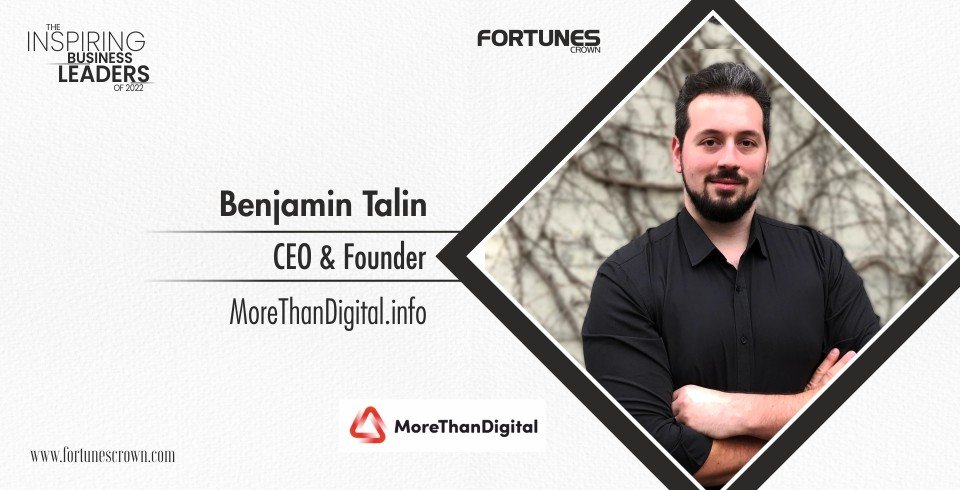
Like all successful businesses, MoreThanDigital.info was also founded in response to a market deficiency. Benjamin Talin was inspired to start his journey in this industry as he observed gaps and issues in it. He realized the importance of digitalization in his 20’s, started advising governments and ministries about SME challenges and other educational needs. With years of experience as a businessman, publisher, and international guest lecturer Benjamin established himself as a digital expert. He had already begun his journey when he started his first business at the age of 13. Not a boy but more a man he lived in the United States for a short period and settled back to Europe to study Business and Economics in Zurich. Building Knowledge Benjamin sought out challenges and even did not wait for challenges to confront them. This behavior distracted his attention from study and he became famous for never being at the university. Rather he chose to build more businesses without caring about failures. He even failed his first two start-ups in Switzerland and landed doing over a dozen of internships. Now, here is the catch, nothing goes in vain — he created his agency that turned into a company group including a consultancy company and other start-up projects. He did not stop there and opted to do a bachelor’s degree at Zurich University. With gained knowledge, he started teaching at different universities about entrepreneurship, new business models, and digitalization. The days got shiny when all these led to having lots of publications, keynotes, and guest lectures internationally. Inception And Challenges The first brick for MoreThanDigital was founded in 2017 when it started as a blog out of frustration. Now it has grown to the leading digital initiative in Europe and is spreading arms across the world. Before formalizing strategies, the company provides yearly 2 Mio executives access to knowledge that is easy to understand and which is free for everyone. Being customer-obsessed fanatics they are winning the world with business knowledge services. While interviewing Benjamin he explained the current scenario of the businesses. According to him, within the last few years especially the last decade, there was an overwhelming flood of new technologies, new business models, and new challenges occurring in the market. Many entrepreneurs could not hold up with the speed and the dependence on good consultants, external freelancers, and partners. However, these uncertainties opened doors for lots of marketing and BS within the business world which were exploited because of ignorance. These opportunities changed customer preferences too for good. Benjamin believes that the Covid-19 pandemic was not too bad for them. He and his team kept their focus on things with optimism and hope attached. At a time when many businesses were trying to survive, the need for neutral information accelerated MoreThanDigital’s business and its platform. Although it was hard and many of the partners and supporters were struggling as well, personal objectives were able to change the inner circle. They needed to develop big projects like the MoreThanDigital Insights platform in these difficult times. Engage, Just Not Sell MoreThanDigital refrains from believing that everyone is a target. This behavior of attempting to appeal to everyone results in failing to connect with true potential customers. The company has a different approach, they engage their customer base and communicate the company’s central “why.” Working against the mainstream with limited resources is always hard for them because the circumstances put a lot of pressure on the team, partners, and everyone involved. The company’s common vision and mission statement #bethechange prove to be a cornerstone that dictates the important part of who they are and why people love to work with them. This helps to deal with challenges on daily basis but it hits hard to go where nobody has gone before. Constantly evaluating the path – where it needs to go to and what new decisions have to be made – is very important. Criticism plays a valuable factor and part in this evaluation. It is prevalent every single day and there are a lot of disagreements as they do not follow the rituals. Staying true to the ideology is crucial, indeed, but the result makes it worth investing time and energy. Identifying Customer Needs Taking a broad view of customer satisfaction benefits a business. Being at the center, the company always tries to communicate as much as possible with the members of their community. The most effective way is having 1on1 meetings including getting feedback from partners, members, and of course “haters”. They constantly align with the needs but always try to differentiate between the “greater good” they want to achieve and single biased views who only want to take advantage. The marketing model behind MoreThanDigital is quite unique and a totally different approach and focuses only on the customer needs. Adapting this principle as the backbone, MoreThanDigital helps its members and readers to deal better or easier with the future. So they keep trying to expand the platform for better information sharing. The company intends to soon launch the so-called MoreThanDigital Insights platform. It’s a new powerful toolset for companies to detect and identify their weaknesses. Furthermore, TechValley and Academy are planned for the future. They will be a promising cornerstone for the company and will help it to grow to a digital ecosystem and this will, in turn, give more people access to a better future. Benjamin’s Message No strategy would ever work without good marketing. Platforms and especially digital ecosystems are tough and indeed demanding. When someone wants to build multi-sided platforms and especially an ecosystem then they should brace themselves for a long ramp-up phase. They are one of the most difficult business models out there to manage and build. Solving the “chicken-egg problem” and aligning several stakeholders’ needs play a big role in building platforms and ecosystems. Benjamin has a message for entrepreneurs seeking careers in the industry. “Starting with your own funds, bracing for years of hard work and little income, and also
Benjamin Talin: Embracing Digitalization More Than Just Digital
Like all successful businesses, MoreThanDigital.info was also founded in response to a market deficiency. Benjamin Talin was inspired to start his journey in this industry as he observed gaps and issues in it. He realized the importance of digitalization in his 20’s, started advising governments and ministries about SME challenges and other educational needs. With years of experience as a businessman, publisher, and international guest lecturer Benjamin established himself as a digital expert. He had already begun his journey when he started his first business at the age of 13. Not a boy but more a man he lived in the United States for a short period and settled back to Europe to study Business and Economics in Zurich. Building Knowledge Benjamin sought out challenges and even did not wait for challenges to confront them. This behavior distracted his attention from study and he became famous for never being at the university. Rather he chose to build more businesses without caring about failures. He even failed his first two start-ups in Switzerland and landed doing over a dozen of internships. Now, here is the catch, nothing goes in vain — he created his agency that turned into a company group including a consultancy company and other start-up projects. He did not stop there and opted to do a bachelor’s degree at Zurich University. With gained knowledge, he started teaching at different universities about entrepreneurship, new business models, and digitalization. The days got shiny when all these led to having lots of publications, keynotes, and guest lectures internationally. Inception And Challenges The first brick for MoreThanDigital was founded in 2017 when it started as a blog out of frustration. Now it has grown to the leading digital initiative in Europe and is spreading arms across the world. Before formalizing strategies, the company provides yearly 2 Mio executives access to knowledge that is easy to understand and which is free for everyone. Being customer-obsessed fanatics they are winning the world with business knowledge services. While interviewing Benjamin he explained the current scenario of the businesses. According to him, within the last few years especially the last decade, there was an overwhelming flood of new technologies, new business models, and new challenges occurring in the market. Many entrepreneurs could not hold up with the speed and the dependence on good consultants, external freelancers, and partners. However, these uncertainties opened doors for lots of marketing and BS within the business world which were exploited because of ignorance. These opportunities changed customer preferences too for good. Benjamin believes that the Covid-19 pandemic was not too bad for them. He and his team kept their focus on things with optimism and hope attached. At a time when many businesses were trying to survive, the need for neutral information accelerated MoreThanDigital’s business and its platform. Although it was hard and many of the partners and supporters were struggling as well, personal objectives were able to change the inner circle. They needed to develop big projects like the MoreThanDigital Insights platform in these difficult times. Engage, Just Not Sell MoreThanDigital refrains from believing that everyone is a target. This behavior of attempting to appeal to everyone results in failing to connect with true potential customers. The company has a different approach, they engage their customer base and communicate the company’s central “why.” Working against the mainstream with limited resources is always hard for them because the circumstances put a lot of pressure on the team, partners, and everyone involved. The company’s common vision and mission statement #bethechange prove to be a cornerstone that dictates the important part of who they are and why people love to work with them. This helps to deal with challenges on daily basis but it hits hard to go where nobody has gone before. Constantly evaluating the path – where it needs to go to and what new decisions have to be made – is very important. Criticism plays a valuable factor and part in this evaluation. It is prevalent every single day and there are a lot of disagreements as they do not follow the rituals. Staying true to the ideology is crucial, indeed, but the result makes it worth investing time and energy. Identifying Customer Needs Taking a broad view of customer satisfaction benefits a business. Being at the center, the company always tries to communicate as much as possible with the members of their community. The most effective way is having 1on1 meetings including getting feedback from partners, members, and of course “haters”. They constantly align with the needs but always try to differentiate between the “greater good” they want to achieve and single biased views who only want to take advantage. The marketing model behind MoreThanDigital is quite unique and a totally different approach and focuses only on the customer needs. Adapting this principle as the backbone, MoreThanDigital helps its members and readers to deal better or easier with the future. So they keep trying to expand the platform for better information sharing. The company intends to soon launch the so-called MoreThanDigital Insights platform. It’s a new powerful toolset for companies to detect and identify their weaknesses. Furthermore, TechValley and Academy are planned for the future. They will be a promising cornerstone for the company and will help it to grow to a digital ecosystem and this will, in turn, give more people access to a better future. Benjamin’s Message No strategy would ever work without good marketing. Platforms and especially digital ecosystems are tough and indeed demanding. When someone wants to build multi-sided platforms and especially an ecosystem then they should brace themselves for a long ramp-up phase. They are one of the most difficult business models out there to manage and build. Solving the “chicken-egg problem” and aligning several stakeholders’ needs play a big role in building platforms and ecosystems. Benjamin has a message for entrepreneurs seeking careers in the industry. “Starting with your own funds, bracing for years of hard work and little income, and also
How to Implement an Effective Cause Related Marketing Campaign?
Cause related marketing is an effective way for companies to support worthwhile charitable events, elevate the profile of its brands and to position the organization as a good corporate citizen. It is not a new concept and it has been around for decades. Allen Marketing Communications, a NYC boutique travel and lifestyle PR agency, advises our clients that consumers today are demanding more from companies and they are looking at an organization’s track record for philanthropy. Consumer products such as personal care, pampers, cereals, and liquor companies often clearly state in all Omni channel communication, as well as on product labels that a percentage of sales will be donated to support a particular cause when consumers shop during a specific time period. Other successful cause-related marketing campaign enlists support from major retailers and convenience stores to inspire consumers donate $1 or more at the point of sale check out to support breast cancer, hunger relief, heart disease and other noteworthy causes. Here are tips for implementing an effective cause-related marketing campaign. Inspiring and Simple Messaging. The name of your marketing campaign matters a lot. Every successful marketing campaign has a compelling slogan or title in it. For example, a breast cancer awareness campaign has used #ITouchMyselfProject to educated consumers about the importance of early detection of breast cancer through self- examination. Media Relations is an effective tool to educate consumers about an organization’s philanthropic efforts. Our savvy team of travel and lifestyle public relations professionals has found that limited time offers — a percentage of sales are donated to support worthwhile charitable causes – are effective for inspire consumers to support particular causes. Media relations is an effective tool to secure credible third-party stories in magazines, newspapers, television, radio and online focusing on the limited time offers to stimulate sales while raising funds for charity. Strong Videos. There are a lot of studies that have proved that people tend to read only 20 percent of web page content and are more attracted towards a short video or an image, it is an entirely rational appeal. Videos are key for social media outreach to connect with your existing and potential customers. Videos are key for social media outreach to connect with your existing and potential customers, and with the intuitive platform of FlexClip, marketers can easily create engaging content to effectively captivate their audience and drive meaningful interactions. Event Sponsorships are another way for companies to elevate their profile as a good corporate citizen. Liquor companies often invest heavily event sponsorships to secure tremendous consumer visibility — event signage, sales promotional items, media relations, banner ads and social media outreach. Concerts, sporting events, as well as charity fundraisers are popular event sponsorships. Omni Channel Communication. It is important for the cause-related marketing campaign to have a unified, seamless message across all forms of communication – media relations, advertising (traditional and digital), social media, email marketing, direct mail and YouTube videos, According to Marketing Drive, “Gen Z shares a preference with older generations for Omni channel marketing, with 87 percent of Baby Boomers, 85 percent of millennials, 83 percent of Generation X and 82 percent of the silent generation saying they prefer a blend of digital and physical channels. Omni channel touchpoints include email, phone, web, in-person engagements, video, social media and printed mail.” Cause related marketing as a whole is something all companies should aspire as part of its business model. It is really important for companies to find a cause they truly care about to have a successful cause related marketing program. About Allen Marketing Communications, Inc. By Joanna Allen, chief executive officer, Allen Marketing Communications, Inc. has more than 25 years in consumer marketing public relations agency. Her boutique consumer marketing PR agency specializing in travel, hospitality, food and beverages, wine and spirits, spas and wellness, non-profits and lifestyle brands PR based in New York City. Allen Marketing Communications, Inc. crafts integrated public relations programs using several disciplines — brand building, destination marketing, media relations, social media, cause-related marketing, consumer promotions, special events (press conferences, consumer events, cocktail receptions), media tours — to generate brand and consumer awareness for clients. Read More: Joanna Allen: Leadership In Shaping The Public Relations Industry
Nicole Martin: Helping Businesses Access Strategic HR Solutions
The ever-evolving changes in the business world demand adaptation to meet the needs of modern times. Often businesses struggle and fall short of matching up with these changes putting themselves in jeopardy. It requires concrete HR solutions that help organizations to lead through these transformations to develop and execute innovative growth strategies while cultivating robust relationships. Akin to such HR expertise is Nicole Martin, Chief Empowerment Officer and Founder of HRBoost. We at Fortunes Crown got into conversation with Nicole to learn more about her journey and how she is changing the landscape of the HR industry. Please brief us in detail about the current scenario of the business. How have the customer preferences changed over the years? We practice what we preach. This means we accept passive talent interest and pipeline our own talent. When we have a need, we do not have to post an ad and wait. We usually have someone ready to go and waiting for the call. This is essential to our continued growth. What has been interesting during the pandemic is the out-of-state interest we have received from HR talent. It has us thinking. After all, we do believe in open sourcing talent, especially now. We have always trended with growth year after year, however, amidst the pandemic, we were hard hit like many. Thankfully, we have successfully returned to pre Covid-19 revenues levels and this is something we are pleased with given the level of uncertainty in the market. We have revealed some new innovative ways to reach our clients and as talent shifts occur, we are ready to help the businesses that seek to retain talent. Could you please walk us through your educational/professional journey? What was the moment that triggered you to step into the business? You’ll notice it instantly. I at HRBoost®, love what I do, and do it remarkably well. I’m an accidental entrepreneur. I looked back after starting my own business and said, “I started a business. Whoa!” I didn’t set out to create a boost. I simply followed my passion to help clients understand the importance human resources can play in developing a strong business. Today I am a successful entrepreneur and an HR industry innovator, dedicated to helping small to mid-size businesses realize their potential through their employees. A self-professed “country girl in disguise,” I grew up in Montana, where everyone knows you and greets you on the street. I was also lucky to have a great mentor early in life: my mom. My mother is highly spiritual, and she raised me with the philosophy of being happy. She always believed that I am a special person—she ingrained that in me—and I am capable of anything.” At the age of 18, I am ready to start proving my mom right. I left Montana and moved in with my godmother in Libertyville, Illinois. Right out of high school, I got a job as a receptionist at a pre-Y2K firm where I found my passion quite by accident. They were hiring all these computer experts from overseas, but when they arrived, the company just put them in the reception area because they didn’t know what to do with them. “It was just inhumane.” During the same time, I was working on a training program for a college human resources class. I wanted to help these guys out in the hallway, so I just marched into the director’s office and asked him if he wanted to see the training program I created for school. When I was finished with her presentation, the director created a human resources department for the site, hired a manager, and moved 18-year-old me from reception to human resources. I have been building HR departments from the ground up ever since. What makes my approach so unique is that I begin with the business’ vision and create HR programs that are completely integrated with that vision. From the hiring process to annual reviews, the programs I create are designed to further the business, boost productivity, and help employees understand why and how their contributions are meaningful. When was HRBoost® established? What are the prominent services/solutions offered by the company? In 2010, I founded HRBoost® and I had a big vision. Given we are not your Broker, your Attorney, or a 1-800 number. We believe HR expertise is essential to any business as they grow their enterprise. Our Shared Services approach allows businesses to access strategic HR at their pace and budget all while taking a holistic approach to integrating a culture plan that enables their strategic and/or operational plans as a business. We deliver skilled talent to our clients. We also believe they need both strategic and tactical resources at the same time. One human is not ideal as there are various cognitive abilities to optimize HR strategically. We believe our shared services approach to the middle market is the PEO Alternative. And yes, the middle market needs an alternative. What measures do you incorporate to ensure motivation and productivity within the workspace? How do you respond to criticism and disagreements? I am blessed to have truly blessed people on our team. Thankfully, they live our core values and instead of me recognizing every time a core value is witnessed, they have taken peer reward recognition to be a strong reinforcement. Even today, I was thanked by my Admin Extraordinaire for her shoutouts as she just cashed in on a new car seat for her beautiful child. What more can I say? It is all about how you make people feel. What measures do you undertake to ensure optimum customer satisfaction? How much impact does the customer feedback have on the company’s strategies? We serve businesses spanning multiple sectors; these include Professional Services, Non-Profit Organizations, High Tech, Manufacturing, Staffing firms, Hospitality, and Healthcare. Our clients are typically from high-growth businesses with 50-250 employees. Our model is to meet the clients wherever they are, thus we provide full-service embedded HR support, a project to project